MLQ players weigh Boston and Chicago's biggest Week 3 matchup questions
Major League Quadball’s Week Three Quad Quips does more than preview a doubleheader. It turns player opinions into a live read on where the league thinks pressure is building, and this week that pressure sits squarely on Boston and Chicago. The survey points to two franchises with heavyweight history, unsettled lineup questions, and matchups that tell you as much about reputation as they do about standings.
A survey that reads like a pulse check
Quad Quips is built around randomly selected athletes answering prompts each week, which gives the feature a different feel from a standard preview. Instead of flattening the weekend into predictions, MLQ uses player responses to show where consensus exists and where it breaks apart. That matters in Week 3 because the biggest questions are not abstract, they are tied to specific rosters, specific departures, and specific pairings that will be tested on the field.
The result is a snapshot of league psychology. Boston draws attention because players are not just asking who wins, but who absorbs the production left behind by Max Havlin and Lulu Xu. Chicago gets the same kind of scrutiny after losing Nathan Digmann, Darian Murcek-Ellis, and Justin Cole, with the answers spread so widely that the Prowl’s next layer of identity still looks unsettled.

Boston’s depth question is already part of the story
Boston’s leading survey answer pairs Cleo Brooks and Ryan Callaghan at 46.7 percent, ahead of Fiona Wisehart and Tom DeMouth at 40 percent. That margin is narrow enough to say the league does not see a single obvious heir to the workload Havlin and Xu left behind. What stands out is the emphasis on combinations rather than isolated stars, which says a lot about how Boston is being viewed right now.
That focus fits the Forge’s profile. Boston is one of MLQ’s original franchises, practices at Harvard University, and has reached five MLQ Championship finals. The franchise has also turned those finals into tangible hardware, winning the Benepe Cup in 2015, 2016, and 2019. When a team with that kind of record is still being judged on depth and balance, the scrutiny is not a novelty. It is the natural cost of being a standard-setter.
Chicago’s answer is still being written
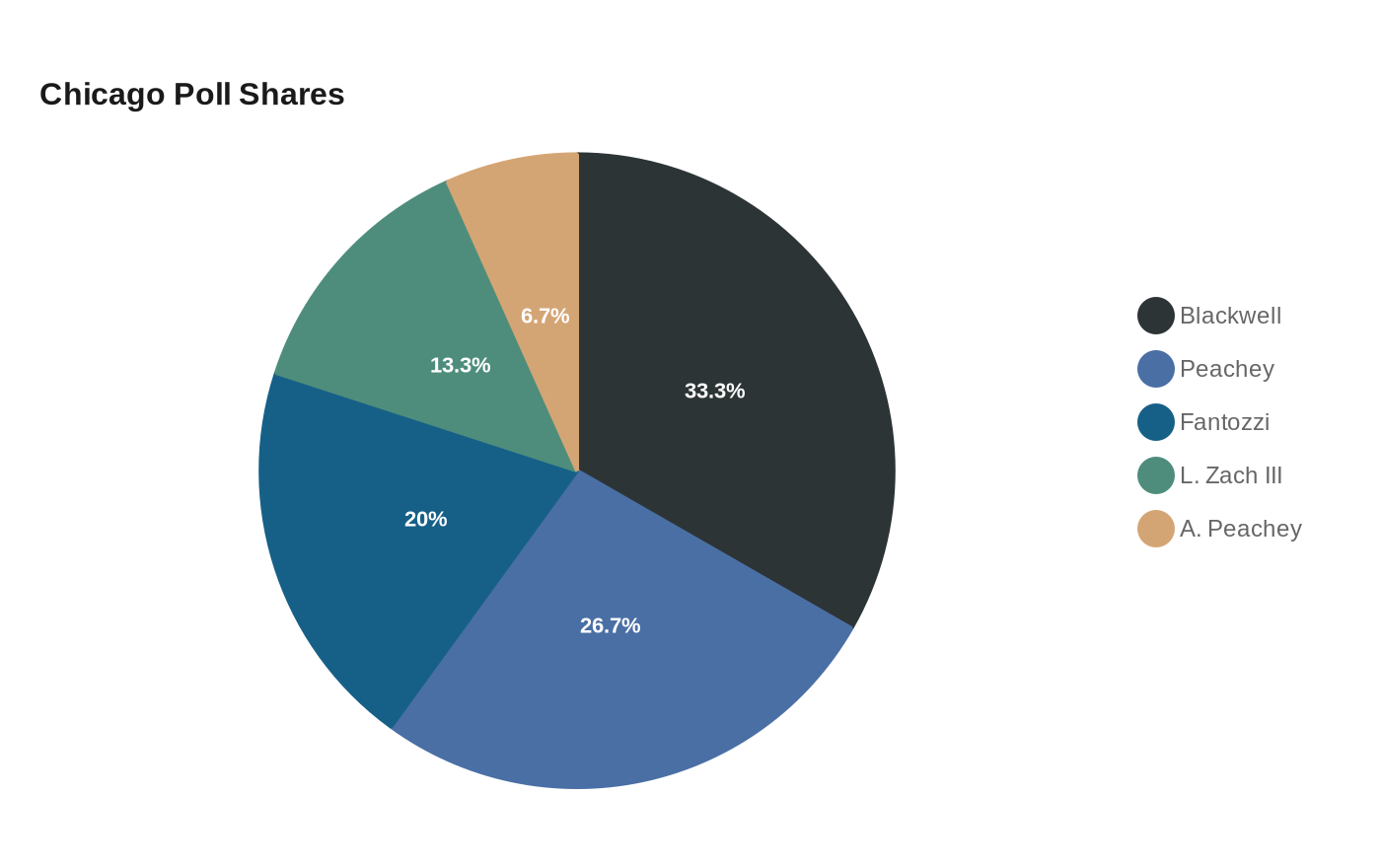
If Boston’s question is about replacing production, Chicago’s is about replacing a cluster of names and redistributing responsibility. George Blackwell leads the poll at 33.3 percent, but the rest of the board is crowded: Ben Peachey follows at 26.7 percent, Kevin Fantozzi is at 20 percent, Liam Zach III sits at 13.3 percent, and Ally Peachey comes in at 6.7 percent. That spread suggests the league sees multiple possible paths for the Prowl, and none of them has separated from the pack.
The franchise’s background makes that uncertainty more interesting. Chicago began as the Indianapolis Intensity, one of MLQ’s founding franchises, then relocated to Chicago in 2023 and rebranded. MLQ says the franchise has appeared in three MLQ Championship finals and won seven North Division titles, which means the team’s current transition is happening inside a deep competitive history rather than from a standing start. The departures matter too: Darian Murcek-Ellis is now with Kansas City, and Justin Cole is now with New York City, while Nathan Digmann’s exit leaves another gap for Chicago to solve.
The combined goals-and-stops question points to the games within the games
Another survey prompt asks which combination of chaser goals plus beater stops will be highest this weekend, and that answer lands with the Chicago duo of Matt Troy and Matt Brown at 46.7 percent. Nathan Jun and Joey Beh of Washington trail that top line, with Boston and Minneapolis pairings also in the mix. That tells you the league is not just thinking about final scores, it is trying to identify which two-player engines can control tempo before a game gets loose.

That framing fits the schedule perfectly. MLQ’s June 20 slate lists Boston hosting Washington at 3:30 PM ET, with tickets and how-to-watch information attached to the game listing, and Chicago hosting Minneapolis at 6 PM CT with the same access points. The survey is not floating above the schedule; it is aimed directly at it. The questions players are answering are the ones the weekend is about to settle.
Why the banter matters as much as the bracket
The rest of Quad Quips leans into the league’s personality, and that tone gives the column part of its value. Boston players jab at Washington’s fans and Washington’s offense, while Washington’s Brandon Borges and others fire back at Boston and Chicago. Minneapolis players poke at Chicago and whether the Prowl can win on home turf, and Kansas City joins the conversation as players talk about seeker ability, scoring dependency, and turnover production.
That chatter works because the franchises involved carry distinct identities. Washington is an original MLQ franchise based in the Washington, D.C. area and practices in Fairfax, Virginia, which helps explain why it keeps showing up as a target in the league’s back-and-forth. Kansas City entered MLQ in the 2016 expansion, and its presence in the conversation reflects how quickly a newer power can become part of the league’s internal banter. Boston, Chicago, and Washington are all central to that ecosystem, but the jokes are also a measure of respect: nobody gets drawn into the conversation unless the league believes the matchup is worth tracking.
A league that is still defining its own map
There is one more detail that hangs over the whole feature. MLQ’s main site says the league is home to 16 teams from the United States and Canada, while its franchises page lists 15 franchises. That kind of discrepancy can point to a paused team or an update lag, but either way it underscores that the league is still actively managing its footprint even as it tells the story of the weekend’s games.
That is why Week 3 lands with extra weight. Boston is being judged on the shape of its next supporting cast, Chicago on who can step forward after another round of departures, and the rest of the league is using the same survey to measure who can turn small advantages into control. Quad Quips is not just collecting opinions. It is showing where the league’s confidence lives, and where it still has to be earned on the field.