NCAA approves transfer reforms after NJCAA advocacy campaign
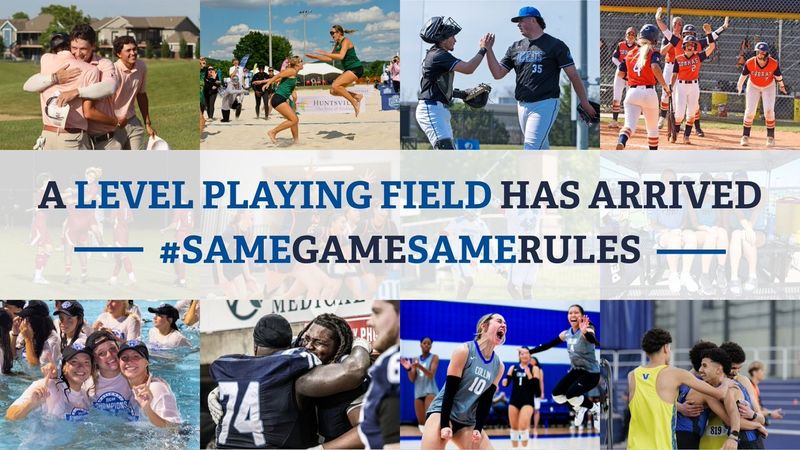
The NCAA Division I governance structure approved a package of transfer and academic eligibility reforms on June 24 that changes the road from two-year college basketball to the next level. For NJCAA athletes, the biggest shift is simple: the old hurdles that treated two-year transfers differently from four-year transfers are starting to come down.
The NJCAA called the decision a landmark victory after nine years of advocacy through its #SameGameSameRules campaign. Under the new framework, the transferable GPA requirement for two-year transfers drops from 2.5 to 2.0, and the credit-hour standard will be tied to enrollment history instead of a rigid formula that often did not match how community-college athletes actually moved through school. The association said the changes should line up more closely with the rules applied to four-year transfers and better reflect real academic paths.
Before this vote, NCAA two-year transfer materials required an academic year in residence unless a student met division-specific conditions, and they set a 2.500 GPA standard along with minimum transferable-credit requirements. That system made the jump harder for junior-college players even when they had kept their academic work on track. The new rules remove part of that gap, and for coaches building rosters, they should make NJCAA prospects easier to evaluate and recruit with a clearer understanding of eligibility.
The push did not happen in a vacuum. In March 2025, 16 national coaches’ associations backed the campaign, led by the National Fastpitch Coaches Association, giving the NJCAA’s argument broader credibility across college sports. NJCAA President and CEO Christopher Parker had framed the issue as a fairness problem long before the vote, pointing to the 111 NCAA Division I men’s and women’s tournament participants in 2025 with NJCAA roots and the roughly 85,000 student-athletes competing at the two-year level each year.
The timing also matters because Division I is reshaping eligibility across the board. On June 23, the Division I Cabinet unanimously approved an age-based model that would give athletes up to five years of eligibility if they enroll no later than the academic year after turning 19, with full implementation planned for the fall 2027 incoming class. NCAA President Charlie Baker said the goal was rules that are easier to understand and better aligned with typical enrollment patterns, and the two-year transfer overhaul now sits alongside that broader reset. For NJCAA players chasing Division I minutes, the pathway just got less punishing and a lot more readable.
Sources
- [1]x.com
- [2]njcaa.org
- [3]ncaa.org
- [4]nfca.org
- [5]web3.ncaa.org
- [6]fs.ncaa.org