NCAA Committee Proposes Early Kickoff for 2027 College Football Season
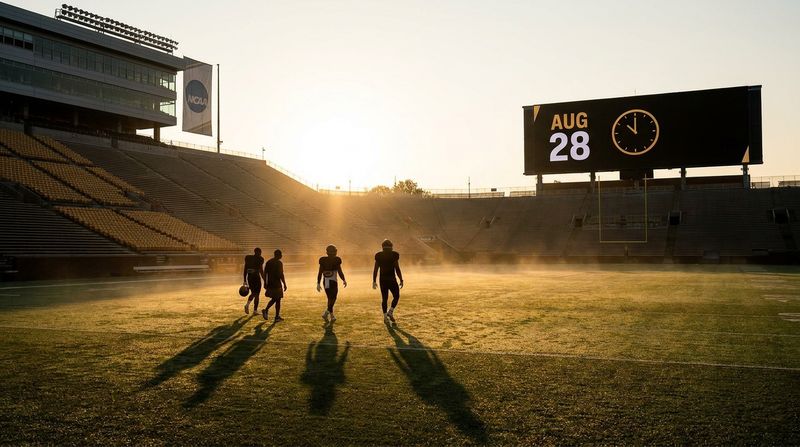
NCAA leadership is shaking up the college football calendar. On Thursday, an NCAA committee recommended that Football Bowl Subdivision (FBS) teams begin their 2027 season earlier than usual, expanding the schedule to 14 weeks and starting games on the Thursday now called Week Zero.
This proposed change would allow schools to play a 12-game schedule over 14 weeks, a shift aimed at giving teams more flexibility and rest throughout the season. The recommendation comes amid ongoing discussions about player safety, academic scheduling, and maximizing fan engagement.
- The 2027 season would kick off on Thursday of what is currently Week Zero, moving the start date up for all FBS programs.
- Each team would have two additional weeks to fit in their 12 games, potentially reducing scheduling conflicts and bye-week congestion.
The NCAA committee’s proposal aligns with the broader push to improve the student-athlete experience, offering more time for recovery between games and easing travel demands. This adjustment could also benefit television networks and fans, providing an earlier launch to the college football slate and more spread-out marquee matchups.
Currently, most FBS teams start their season in late August or early September, with Week Zero reserved for a handful of games. By shifting the universal start to that Thursday, the NCAA seeks to standardize opening dates and create a more uniform schedule. The move would also allow for:
- Expanded national broadcast opportunities during the opening weekend
- A potential decrease in mid-season player injuries thanks to extra rest
- Greater flexibility for schools navigating academic calendars and travel logistics
The NCAA committee’s recommendation is not yet official policy, but it signals a strong intent to modernize scheduling practices. If adopted, the change could impact everything from bowl eligibility timelines to conference championship dates.
As college football continues to evolve—especially in light of expanded playoffs and increasing athlete welfare concerns—such scheduling shifts may become more common. Fans, teams, and broadcasters will be watching closely as the NCAA finalizes its plans for the 2027 season and beyond.