NCAA Denies Charles Bediako’s Return: What Alabama’s Setback Signals for College Hoops
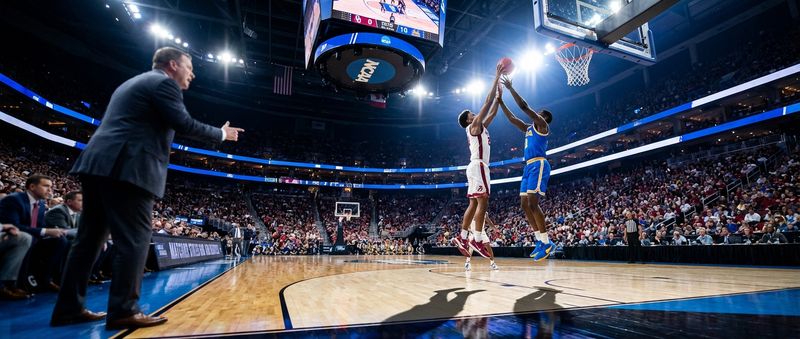
Charles Bediako’s attempt to rejoin the Alabama Crimson Tide after a stint in the NBA has ended with the NCAA denying his eligibility, a ruling that is sending ripples throughout college basketball. The decision addresses not only Bediako’s immediate future with Alabama but also clarifies the association's stance on similar cases moving forward.
Bediako, who played as a two-way player in the NBA before seeking to return to college play, had hoped to bolster Alabama’s frontcourt for the remainder of the NCAA season. The NCAA, however, determined that his request did not meet eligibility requirements. As reported by multiple outlets, the ruling was swift and definitive, ending speculation about a potential precedent for professional-turned-college athletes.
- Bediako’s request to resume collegiate play came after signing a two-way NBA contract
- The NCAA’s denial confirms its current position on the eligibility of former professionals
- Alabama will not face penalties for its involvement in Bediako’s eligibility appeal
In a public statement, NCAA President Charlie Baker addressed the decision, emphasizing the association’s commitment to upholding its current eligibility framework. Baker reaffirmed that, under existing rules, players who have signed professional contracts are not permitted to return to NCAA competition. While the specific details of Baker’s statement were not disclosed in available reports, it underscored the governing body’s unwillingness to bend long-standing amateurism standards for individual cases.
Questions had circulated over whether Alabama might face penalties for its attempt to bring Bediako back onto the roster. According to The Tuscaloosa News, the NCAA confirmed that the university would not be penalized, as the school followed proper protocol by submitting a formal waiver request and awaiting the ruling before taking any further steps. This reassurance allows Alabama basketball to move forward without the threat of sanctions, even as it loses out on a valuable contributor for the stretch run.
The implications of the Bediako case extend beyond Alabama. As ESPN College Sports noted, this ruling sets an important precedent in an era where the boundaries between amateur and professional sports are increasingly fluid. The NCAA’s stance sends a clear message to athletes considering professional opportunities: signing a pro contract remains a definitive endpoint for NCAA eligibility under current regulations.
Bediako’s situation is particularly notable given the evolving landscape of college athletics, where issues such as name, image, and likeness (NIL) compensation and transfer portal flexibility have blurred the lines of amateurism. However, according to the reporting, the NCAA has drawn a firm distinction when it comes to athletes who have participated as professionals, regardless of any changes to NIL or transfer rules.
For Alabama, the denial leaves a gap in its rotation, as Bediako was expected to provide size and defensive prowess in the post. The team must now turn to its existing roster as it continues its push toward the postseason.
As the debate around athlete eligibility and professional experience continues, the NCAA’s decision in the Bediako case will likely serve as a reference point for future waiver requests and eligibility appeals.
Sources
- [1]ESPN College Sports
- [2]On3
- [3]The Tuscaloosa News