NCAA Greenlights Jersey Patch Sponsorships: A Game-Changer for College Sports Revenue
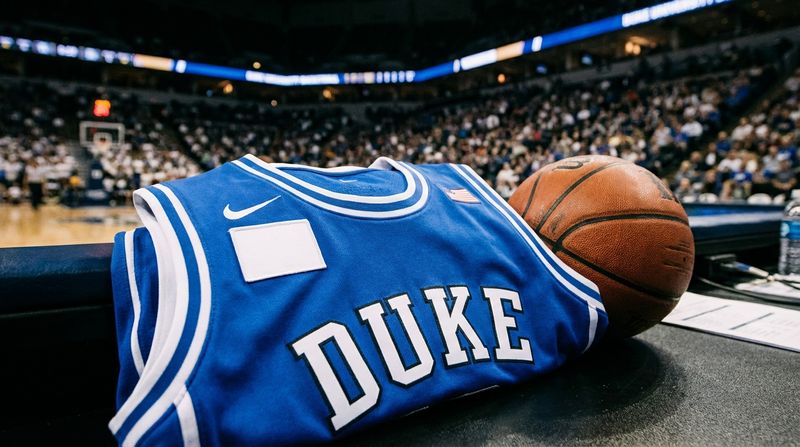
NCAA Division I sports are set for a major transformation after the NCAA's governing body voted to approve the use of jersey patch sponsorships, a move widely seen as a pivotal shift in the landscape of collegiate athletics. This decision paves the way for schools to add corporate branding to their uniforms, unlocking new revenue streams and signaling a new era of commercialization in college sports.
What the New Policy Means
According to reports, the NCAA Division I Cabinet’s approval allows member schools to sell sponsorships for patches that will appear on official game uniforms across a range of sports. This initiative follows growing trends in professional sports leagues, such as the NBA and MLB, where jersey patches have become a lucrative branding opportunity. The decision applies to all Division I athletic programs, providing both powerhouses and smaller schools with the chance to capitalize on their brand visibility.
- Jersey patches will be permitted on the front shoulder or sleeve areas, similar to placement in pro leagues.
- The size, design, and location of patches will be regulated to maintain the integrity of team colors and logos.
- The policy is effective immediately, meaning schools can begin seeking sponsors for the coming season.
Potential Impact on College Athletics
The NCAA’s green light on jersey patch sponsorships is set to open up significant new revenue streams at a time when athletic departments are searching for ways to boost funding. As reported, this change could be transformative for schools facing financial pressures from rising costs and increased athlete compensation demands. The move brings college sports closer to the pro model, where uniform sponsorships have long been a fixture.
- Major programs with large fan bases could command substantial fees from major brands.
- Mid-major and smaller schools may also benefit, as regional sponsors seek visibility through local teams.
- The NCAA will regulate the types of sponsors allowed, with restrictions on certain categories like gambling, alcohol, and tobacco, to maintain compliance with collegiate values.
Why Now? The Evolving Business of College Sports
This policy change comes amid a rapidly shifting college sports landscape, where institutions are adapting to new economic realities:
- Recent moves toward athlete compensation and Name, Image, and Likeness (NIL) rights have raised the stakes for athletic department budgets.
- The need for alternative revenue sources has become increasingly urgent, especially for Olympic and non-revenue sports programs.
- Corporate sponsors have expressed growing interest in partnering directly with schools, given the massive audiences drawn by college football, basketball, and other sports.
Industry Reactions and Next Steps
The response across the college sports community has been a mix of enthusiasm and cautious optimism. Athletic directors, brand managers, and marketing experts see the move as a “win-win” for schools and sponsors alike, though some stakeholders continue to voice concerns about the further commercialization of the collegiate game.
Schools are now expected to move quickly to secure deals, with some major programs likely to announce sponsorship agreements before the start of the next athletic season. Meanwhile, the NCAA will monitor early implementation to ensure consistency and address any issues related to patch design or sponsor categories.
Looking Ahead
The NCAA’s approval of jersey patch sponsorships marks a watershed moment for college sports business and branding. With the new rules set to take effect immediately, fans can expect to see sponsor logos sharing space with school insignias on uniforms in the near future. As athletic departments adjust to these changes, the broader impact on college sports culture, recruitment, and financial sustainability will be closely watched in the seasons to come.
Sources
- [1]ClutchPoints
- [2]On3