NCAA Greenlights Jersey Patch Sponsorships: A New Era for Division I Schools
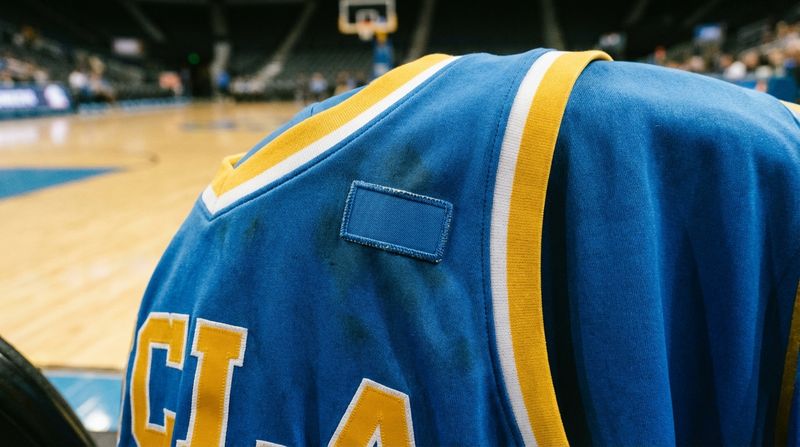
NCAA Division I schools have entered a new era of commercial opportunity as the NCAA voted to permit jersey patch sponsorships, a landmark shift in collegiate athletics marketing. The decision, announced on January 26, 2026, paves the way for schools to add sponsor logos to their athletic uniforms, following a trend already established in professional sports.
What the NCAA Decision Means
This move marks the first time NCAA Division I programs can officially display sponsorship patches on their game-day uniforms. Previously, such visible advertising was prohibited, with schools limited to traditional revenue sources like broadcasting rights, ticket sales, and apparel contracts. The NCAA's latest vote now gives schools the flexibility to further monetize their athletic platforms and attract new sponsors.
Potential Revenue and Market Impact
The NCAA's policy shift is anticipated to generate significant new revenue for athletic departments. In professional sports, jersey patch sponsorships have proven lucrative; for example, NBA teams have fetched multi-million-dollar annual deals for similar placements. While the collegiate market differs in scale and regulations, early industry analysis suggests that top-tier Division I programs could secure substantial sponsorship deals, especially for high-visibility sports like football and basketball.
- NBA jersey patch deals have averaged $7-10 million per year for major franchises.
- Collegiate deals are expected to be smaller but still impactful, potentially in the mid-six to low-seven figure range per school.
- Lesser-known programs may also benefit by targeting local or regional sponsors, amplifying community engagement and brand partnerships.
Changing Landscape: From Restriction to Opportunity
This development reflects the broader evolution of college sports, particularly following recent changes in Name, Image, and Likeness (NIL) rules that allow student-athletes to profit from endorsements. While NIL deals are athlete-driven, jersey patch sponsorships offer schools a direct avenue to increase funding and invest in facilities, scholarships, and athletic support services.
Industry observers note that this aligns NCAA policy closer to global sports marketing norms, where prominent club and national teams regularly feature sponsor branding on uniforms. The NCAA’s vote signals a willingness to adapt to changing financial realities and commercial expectations.
Next Steps and Implementation
With the policy approved, Division I schools are expected to move quickly to secure sponsorship agreements ahead of upcoming seasons. The NCAA is likely to issue specific guidelines on patch size, placement, and permissible sponsor categories to maintain consistency and uphold the organization’s values. Key considerations include:
- Ensuring that sponsorships do not conflict with existing NCAA partnerships or university contracts
- Balancing commercial interests with the traditional aesthetics and identity of team uniforms
- Protecting student-athlete welfare and avoiding endorsements from certain industries (e.g., gambling, alcohol)
Looking Ahead: Shaping the Future of College Athletics
The NCAA’s decision to approve jersey patch sponsorships is expected to reshape the financial landscape for Division I schools. While the policy’s long-term impact remains to be seen, many athletic departments and marketing partners are optimistic about the potential for increased revenue and innovative brand collaborations.
As the first sponsorship deals are negotiated and patches begin appearing on uniforms, fans, athletes, and sponsors alike will be watching closely to see how this new era unfolds. For now, the NCAA's vote stands as a pivotal moment in the ongoing modernization of college sports.
Sources
- [1]Sportcal