NCAA Greenlights Uniform Patches, Unlocking New Revenue Streams for College Athletics
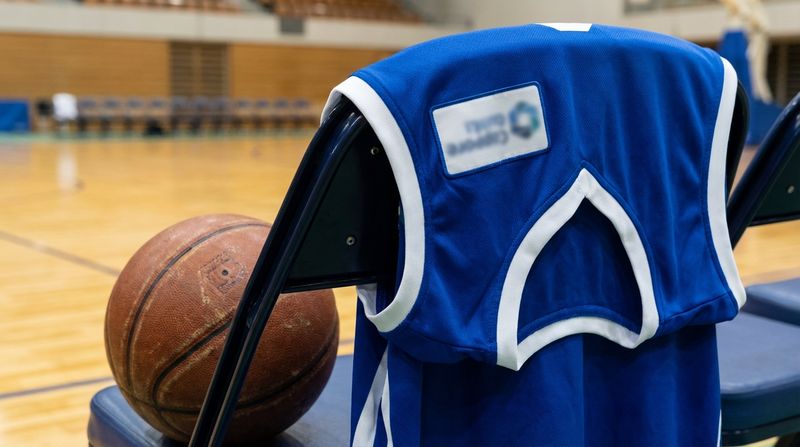
The NCAA has approved the use of uniform patches for college athletics, a landmark decision poised to reshape the financial landscape for athletic departments nationwide. The move, announced in January 2026, enables schools to add sponsor patches to player uniforms, opening up lucrative new revenue streams as programs navigate an evolving collegiate sports economy.
Historic Shift: Uniforms as Revenue Generators
Until now, NCAA regulations strictly limited commercial branding on team uniforms. With this new policy, athletic departments can negotiate sponsorship deals to display company logos or patches on jerseys, a practice already commonplace in professional leagues such as the NBA and MLS. Both ABC News and FootballScoop.com report that the decision was made with the intent to help schools offset rising costs and invest in athletic infrastructure, scholarships, and athlete support.
Potential Impact on Athletic Departments
- New revenue streams: Schools can now negotiate deals with local and national sponsors, potentially generating millions in additional funding over a season.
- Resource allocation: Increased revenues may help cover the costs of travel, equipment, and expanded athlete benefits, especially amid growing financial pressures from Name, Image, and Likeness (NIL) rules and conference realignment.
FootballScoop.com notes that universities with larger media footprints and successful programs could see the highest returns, while smaller schools may benefit from local partnerships.
What This Means for Fans and Athletes
For fans, the visual landscape of college sports is set to change. Uniform patches will become a visible reminder of the commercial partnerships supporting their favorite teams. While some traditionalists may bristle at the added advertising, others recognize the necessity as programs seek new ways to maintain competitiveness and support student-athletes.
Importantly, the NCAA's decision does not alter existing restrictions on amateurism or eligibility. Instead, it gives athletic departments a new tool to navigate the rapidly changing college sports environment.
Industry Context: Following the Pro Model
This policy shift mirrors a larger trend in sports. Professional leagues have long used jersey patches to drive sponsorship revenue—according to recent NBA data, the league's jersey sponsorships collectively generated over $225 million in the 2022-23 season. The NCAA's adoption of this model signals a willingness to modernize and pursue creative solutions to the economic challenges facing collegiate athletics.
Looking Ahead: Implementation and Oversight
While the NCAA has approved the use of uniform patches, details around patch size, placement, and types of sponsors will be clarified in the coming months. Both sources emphasize that schools should expect guidelines to ensure consistency and protect the integrity of the college sports brand.
The move is broadly seen as a positive step toward financial stability for athletic departments. As the NCAA finalizes implementation details and schools announce their first sponsorship deals, the impact of this decision will become more visible on courts and fields across the country.
For more on NCAA rules and updates, visit the official NCAA website.
Sources
- [1]ABC News
- [2]FootballScoop.com