NCAA June scholastic events offer NJCAA recruits key Division I exposure
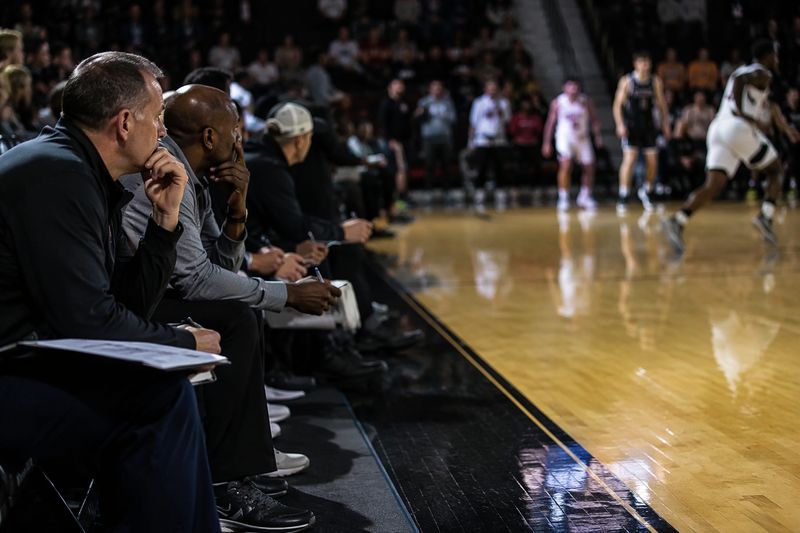
The NCAA’s June scholastic basketball events framework gives Division I coaches a legal window to watch high school and two-year college prospects in live scholastic competition before July workouts even begin. That exposure can influence scholarship offers, roster spots, and the next stop on a transfer climb.
Why June still matters in JUCO recruiting
June is one of the few periods when a player can compete with a scholastic team and still be evaluated in real time by Division I staffs. Those events let coaches attend and evaluate high school and two-year college prospective student-athletes as they compete outside the regular scholastic season, which makes the month especially valuable for junior-college prospects trying to separate themselves.
JUCO players are often judged on more than raw production. Coaches want to see whether a player has improved body composition, decision-making, skill level, and game readiness after the spring season. A player who looks faster in transition, finishes stronger at the rim, or manages possessions more cleanly can change the way a Division I staff projects that prospect in a matter of minutes.
The June window also has practical business value for NJCAA programs. When a player draws attention in a scholastic setting, it can raise the visibility of the entire roster and create follow-up opportunities for teammates as well. For a junior-college staff, June is about creating a pipeline of eyes on the program before the late-summer and fall roster decisions get locked in.
What Division I coaches are actually allowed to evaluate
Division I coaches may attend and evaluate prospects while they are competing with their scholastic teams outside the regular scholastic season. Live evaluation is the point of the period. The rule is a structured recruiting window that allows staffs to watch high school and two-year college prospects in the context of actual competition.
An NCAA Division I Men’s Basketball Recruiting Calendar for August 1, 2010 through July 31, 2011 limited live evaluations during the academic year to regularly scheduled high school, preparatory school and two-year college contests, tournaments, practices and regular season events.
In a June 16, 2020 NCAA story about a proposed fall recruiting calendar in men’s basketball, the proposal permitted evaluations at regularly scheduled high school, prep school and two-year college contests and practices.
Why certification is part of the story
June scholastic events are not informal summer stops. All applications to request NCAA certification of an event or league, and all team building, must be completed in the Basketball Certification System. That places these events inside a formal compliance structure, not a loose showcase circuit.
For junior-college programs, that means the details around an event matter as much as the game itself. If a player is heading into a certified environment, the staff needs to know the event is operating through the proper NCAA system, because the certification structure is part of how Division I coaches can safely and efficiently evaluate prospects. The June scholastic period gives scholastic events room to operate without competing with other parts of the recruiting calendar.
How JUCO players should position themselves
The June window rewards players who treat every possession like an evaluation clip. A recruit who wants Division I attention should enter the month with a clear plan:
• Show the improvement, not just the stat line. NCAA staffs are looking for evidence that a spring of work changed your body, pace, and decision-making.
• Play within a role that translates. A player who defends, rebounds, and makes clean reads can create more trust than one who forces volume shots.
• Understand that live evaluation is the point. Coaches are watching how you compete with your scholastic team in game conditions, not just how you look in workouts.
• Use June to set up July. A strong showing can carry momentum into exposure events, unofficial visits, and later roster conversations.
A player who draws Division I interest in June can move from being lightly tracked to being part of active roster construction by late summer. In a transfer cycle, that difference can decide whether a prospect lands a scholarship, earns a roster spot, or keeps getting monitored into the fall.
How JUCO staffs can help players cash in
Junior-college staffs play a major role in turning June into opportunity. They have to understand the calendar well enough to place players in environments where Division I coaches can legally evaluate them, then communicate the player’s development in a way that aligns with what those coaches are seeing on the floor.
That means roster management is recruiting management. If a JUCO program knows a player has made a leap since spring, June is the right time to show that progress against live competition rather than rely on old film. The NCAA framework gives that visibility meaning, because the right event can place a player in front of the programs most likely to offer a next step.
The 2011 NCAA Division I Recruiting and Athletics Personnel Issues Cabinet report continued examining recruiting models in contacts, evaluations, electronic transmissions, telephone calls and official visits.
The bigger recruiting calendar picture
June is only one part of the offseason, but it is a pivotal one. Live evaluations in June feed into July exposure events and then into unofficial visits, follow-up calls and roster decisions. For NJCAA basketball, that sequence is where a good summer becomes a real opportunity.
The recruiting guides and calendars have long reflected that reality, from the 2010 Off-Campus Recruiting Guide’s separate timetable for “Two-Year College Prospects” to later calendar language that again included two-year college contests and practices in the evaluation mix.
Sources
- [1]ncaa.org
- [2]fs.ncaa.org