NCAA Tournament Expansion to 76 Teams Sparks Outcry from Chris 'Mad Dog' Russo
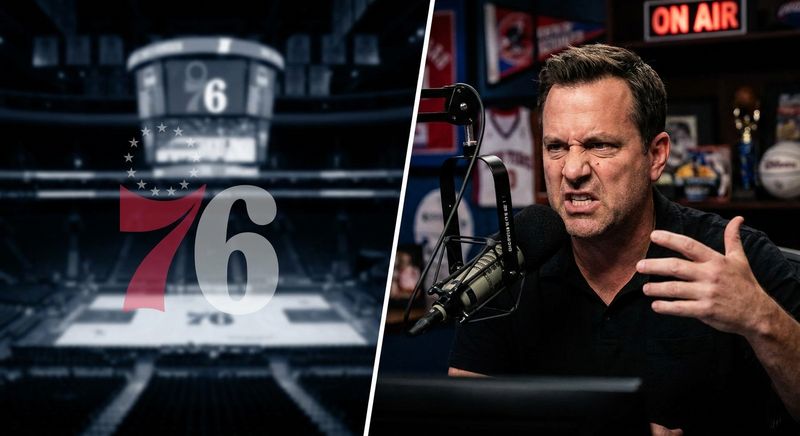
The NCAA men's basketball tournament—already a marquee event in college sports—faces a wave of controversy following reports of a planned expansion to 76 teams. Among the most vocal critics is Chris "Mad Dog" Russo, whose energetic denunciation has amplified debate throughout the sports world.
Russo, a longstanding sports radio personality, made headlines with his fierce reaction to the proposal. He described the expansion as "absurd," capturing the sentiment of many traditionalists who worry that diluting the tournament field could undermine its drama and prestige. Russo's comments reflect broader skepticism among fans and analysts who question whether adding teams will genuinely improve college basketball's biggest event.
- The current NCAA tournament field features 68 teams, a format established in 2011 after previous expansions.
- The proposed move to 76 teams would mark the largest field in the tournament's history.
- Supporters argue expansion could provide greater opportunities for smaller programs and increase national exposure.
Russo's critique centers on the core appeal of March Madness: the sense that every game—and every team's inclusion—must be earned. By increasing the number of teams, critics contend, the tournament risks inviting programs with mediocre records, potentially lowering the quality of early-round matchups. Russo's frustration is emblematic of these concerns, as he continues to champion the tournament's storied tradition and competitiveness.
While the NCAA has not officially announced a timeline for the expansion, discussions have accelerated in recent months. The organization has previously cited revenue growth and expanded access as possible benefits. However, as Russo's impassioned response demonstrates, resistance remains strong among high-profile commentators and a significant portion of the fanbase.
The debate over tournament size is not new. Since its inception in 1939 with just eight teams, the NCAA tournament has steadily grown, reflecting shifts in the college basketball landscape and the evolving interests of fans and broadcasters. Each expansion has been met with some resistance, but few have drawn as sharp a rebuke as the latest proposal.
As college basketball continues to grapple with questions of access, equity, and entertainment value, the reaction from figures like Russo ensures that any changes to the tournament will receive intense public scrutiny. For now, the future structure of March Madness remains a subject of heated debate—one unlikely to cool anytime soon.