NCAA’s NIL Fears Fall Flat as College Sports Reach New Heights
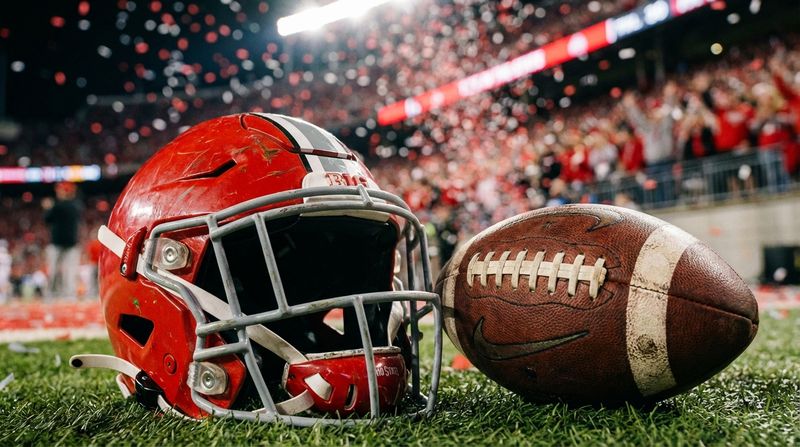
College sports have never been more popular—and that surge has come in the wake of sweeping changes to Name, Image, and Likeness (NIL) rules that the NCAA once claimed would undermine the fabric of amateur athletics. Instead, the reality has been anything but catastrophic, as fans, athletes, and programs are thriving in the new era.
The NCAA’s NIL Concerns vs. Reality
For years, the NCAA maintained that allowing student-athletes to profit from their name, image, and likeness would upend college sports, threatening competitive balance, fan interest, and the amateur model. However, recent data and widespread observation indicate that these dire predictions have not materialized. According to USA Today, college sports’ popularity has only grown since the implementation of NIL rights.
- Television ratings for marquee events like the NCAA Men’s and Women’s Basketball Tournaments have seen record highs in recent years.
- Stadium attendance at major college football games continues to climb.
- Social media engagement for college athletes and teams has soared, creating new fan communities and expanding the reach of college athletics.
NIL’s Impact on Athletes and Programs
The introduction of NIL rights has empowered athletes to build personal brands and earn compensation for their talents—without damaging the competitive spirit or the appeal of the games. Student-athletes across the country have struck sponsorship deals, launched businesses, and become role models in their communities. This economic empowerment has added a new dimension to the college sports experience.
- High-profile college athletes have leveraged their followings to sign endorsement deals with national brands.
- Many athletes have used their NIL earnings to support family members and fund philanthropic initiatives.
- Smaller programs and non-revenue sports have benefited as athletes in all disciplines find ways to monetize their success.
Fan Interest and Engagement Soar
Despite the NCAA’s warnings, fans have only grown more invested in college sports. Enthusiasts are tuning in, attending games, and following their favorite athletes on social platforms at unprecedented rates. The ability to connect with athletes as individuals—watching their entrepreneurial journeys and community impact—has only strengthened the bond between teams and supporters.
Analysis: A New Era for College Sports
The transformation of the NCAA’s NIL policy marks a watershed moment for college athletics. The feared consequences have not come to pass; instead, the system has adapted, and the sport’s cultural relevance is at an all-time high. The NCAA’s initial resistance and warnings now appear more as an attempt to maintain control than as a reflection of the true interests of athletes and fans.
Looking ahead, the ongoing evolution of NIL rights will continue to shape the landscape of college sports. Programs that embrace the change and support their athletes’ off-field endeavors are likely to strengthen their brands and foster deeper loyalty among their communities. Ultimately, the NIL era has proven to be not only sustainable but also a catalyst for unprecedented growth in college athletics.
Sources
- [1]USA Today