NFL FLAG guide shows how flag football scales easily for youth leagues
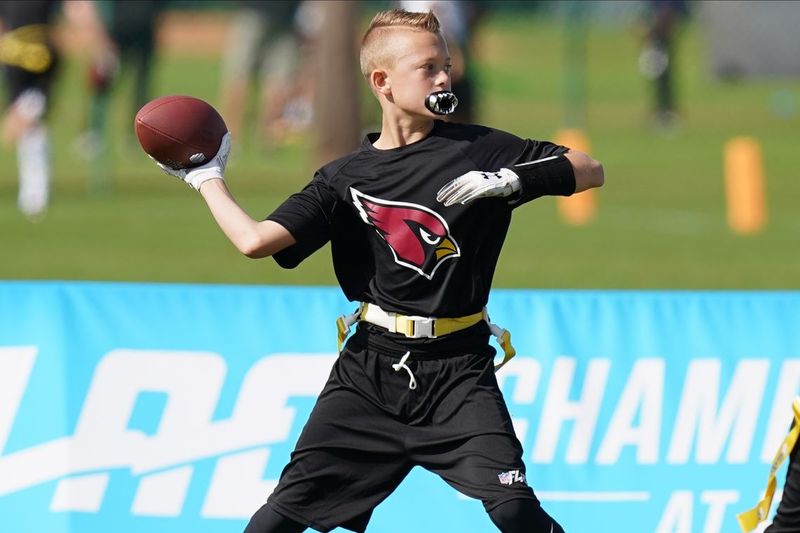
NFL FLAG’s organizer guide shows why flag football spreads so quickly: the standard game can fit on a 30 x 70-yard field, run with two officials, and move in two 20-minute halves with a five-minute halftime. Add 5-yard no-run zones, hourly game slots, and the option to place up to four flag football fields on one soccer or football field, and the sport suddenly looks less like a heavy lift and more like a repeatable template.
The math that makes the sport easy to stage
The biggest advantage is spatial. A 30 x 70-yard setup uses far less real estate than a full tackle-football footprint, and the built-in no-run zones at midfield and before each end zone simplify both the field layout and the flow of play. For a park department, school, or community organizer, that matters because one large grass surface can be divided into multiple games instead of being reserved for a single team.
The timing works the same way. Two 20-minute halves and a short halftime let organizers schedule games every hour, which creates a clean block for warmups, play, and turnover between teams. That kind of rhythm is easier to staff, easier to market, and easier to repeat across a season than longer formats that tie up fields for half a day.
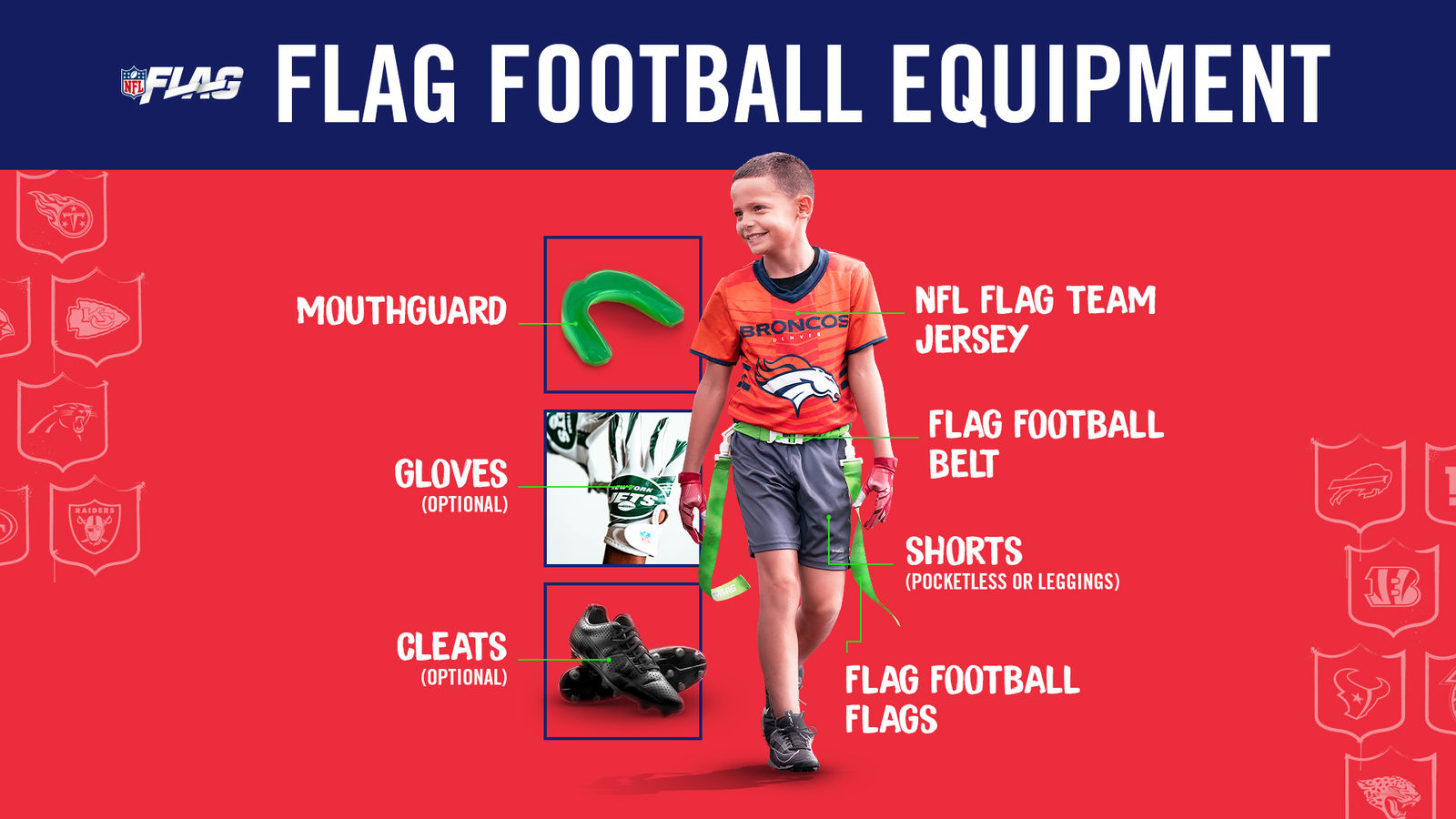
What organizers actually need to launch a league
NFL FLAG’s league guide is built around low-friction logistics. Seasons are typically eight to 10 games plus a postseason tournament, the equipment package is priced at $25 per player, and ground orders are listed with a 10- to 14-day shipping timeline. Before equipment orders are placed, leagues also need to upload a $1 million general liability insurance certificate, which puts a clear administrative structure around the program.

The personnel burden is just as manageable. A game can start with at least five players, and the format can be scaled to age, roster size, and available space. NFL FLAG says it is designed for boys and girls ages 5 to 17, which means a single league model can cover younger beginners, middle-grade participants, and older youth without rebuilding the whole operation from scratch.
For a local organizer, the checklist is unusually short: • a compact 30 x 70-yard field • two officials per field • five players to start a game • a $25-per-player equipment package • a liability certificate on file before orders are placed
That combination lowers the barrier for schools with small enrollment, recreation departments with limited budgets, and community programs that cannot always assemble tackle-football numbers.
Why the format scales better than many youth sports
Flag football is easier to grow because it does not demand the same infrastructure every time it adds a team. NFL Play Football describes it as a fast-paced, non-contact version of the sport, and says more than 20 million people play across 100 countries. The game commonly runs as 5-on-5 or 7-on-7, which gives leagues room to adjust competition by age group, field availability, and participation levels without changing the core sport.
That flexibility is part of why NFL FLAG says it has become the largest, most recognized flag football organization in the United States, with more than a thousand leagues and more than 1,500 league organizers and coaches. A sport with that many entry points can spread quickly because one successful league can be copied in another town with the same basic field plan, roster minimum, and equipment order.
The school pipeline is already widening
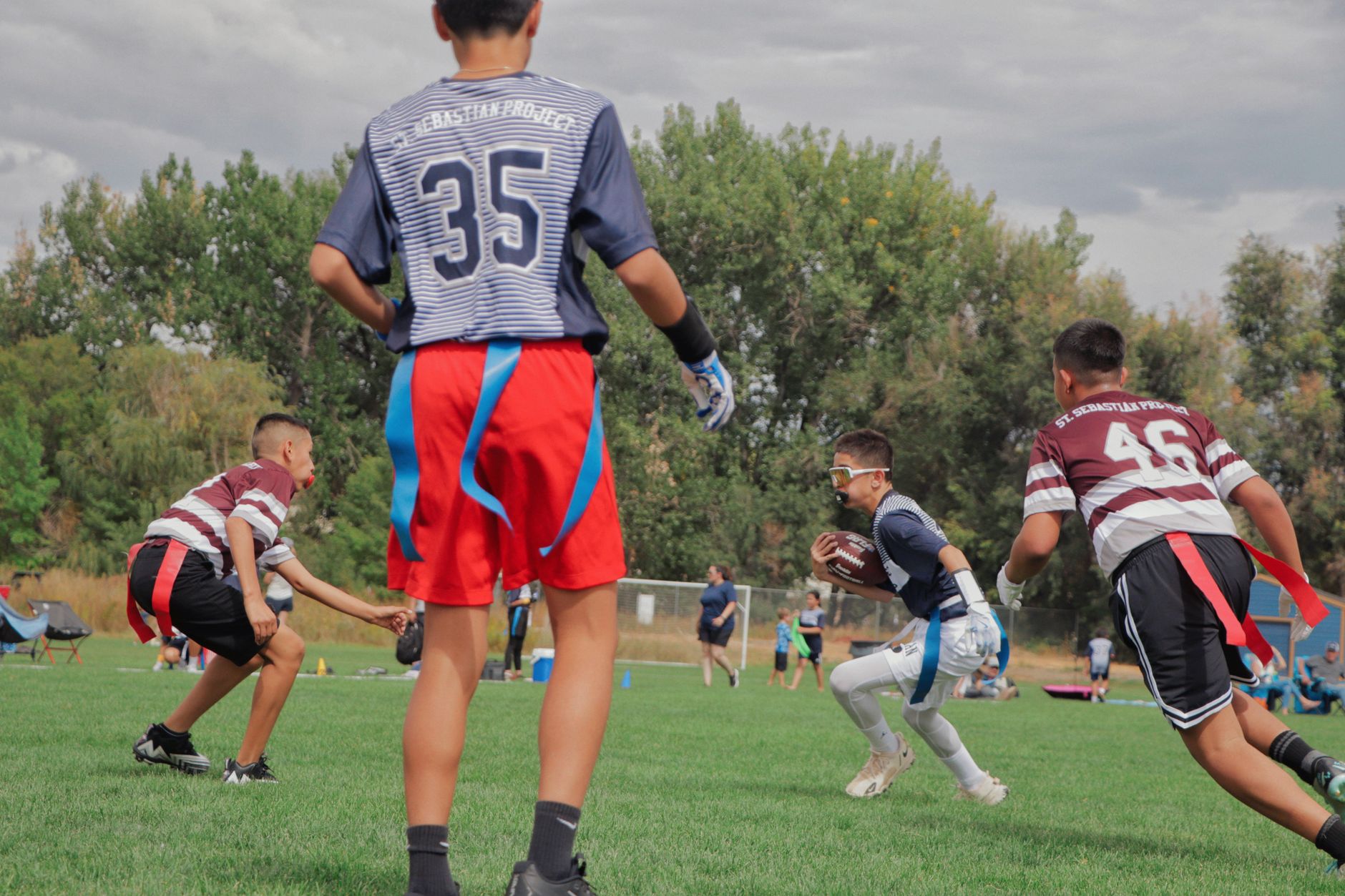
The clearest proof of scale is showing up in high schools. The National Federation of State High School Associations says 68,847 girls competed in flag football in the 2024-25 school year, with almost 1,000 additional schools offering the sport. It also says 16 states have sanctioned girls flag football, two more are scheduled to do so by 2027, and 22 additional states are running independent or pilot programs.
The participation curve is moving fast. In January 2025, the NFHS said about 500,000 girls ages 6 to 17 played flag football in 2023, a 63% jump from 2019. It also said participation more than doubled from 2022-23 to 2023-24, and that about half of the girls counted in sanctioned-state data were not previously involved in another high school sport. That last detail matters because it shows flag football is not just pulling athletes from one established sport to another; it is bringing new players into school athletics.
Rule standardization is another reason the sport is expanding. NFHS said national playing rules for high school flag football were being written for the 2025-26 season, and that the 2026-27 rules will add a fourth field-size option of 300 by 160 feet. Fewer local variations make it easier for coaches to teach, officials to work, and schools to schedule games across state lines.
The national and Olympic stage is raising the ceiling
Flag football’s growth is no longer limited to youth leagues and school programs. The sport is set to debut at the 2028 Olympic Games in Los Angeles, and NFL clubs approved participation of NFL players in Olympic flag football at the Spring League Meeting in Eagan, Minnesota, on May 20, 2025. The league, the NFL Players Association, the International Federation of American Football, and Olympic authorities are working on eligibility rules.
That Olympic path gives the sport a level of visibility most youth formats never get. It also reinforces the idea that flag football is not being treated as a side project. The infrastructure is simple enough for a local park, but the competitive ladder can reach all the way to the Olympic stage.
The numbers behind the surge
The participation data matches the on-field logic. The National Sporting Goods Association said flag football led youth team sports in 2024 with a 21% increase versus three-year averages. NFL data released in June 2026 said U.S. youth participation had topped 4.1 million, a 50% increase since 2020.
Taken together, the numbers explain the sport’s momentum. A game that needs less space, lighter equipment, fewer players, and shorter time blocks can be added faster than sports that require larger rosters and heavier operational costs. That is why flag football keeps showing up in more schools, more leagues, and more places that want to run a clean, affordable program without building an entire football operation from the ground up.
Sources
- [1]nflflag.com
- [2]playfootball.nfl.com
- [3]nfl.com
- [4]media.nfl.com
- [5]nfhs.org
- [6]sgbonline.com