NFL Franchise Tag: How It Shapes Player Contracts and Team Strategy
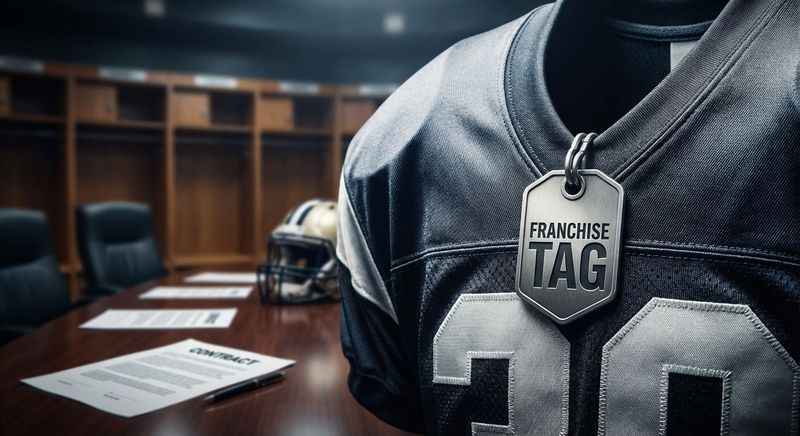
The NFL franchise tag is a crucial mechanism that often shapes offseason drama and roster decisions, impacting not just players and teams but the entire landscape of the league. From star quarterbacks to breakout defenders, the tag can dictate where top talent will play and how franchises structure their finances.
Introduced as part of the league's collective bargaining agreement, the franchise tag gives teams a way to retain key players who are about to become unrestricted free agents. By applying the tag, a team can keep a player for one more season under a salary determined by the average of the top contracts at the player’s position, or 120% of the player’s previous salary—whichever is higher.
- Teams are allowed to use one franchise tag per offseason
- The tag must be applied before the start of free agency
- There are two main types: exclusive and non-exclusive
The exclusive franchise tag prohibits the player from negotiating with any other team, ensuring he remains with his current club for the tagged season. The non-exclusive tag allows the player to negotiate with other teams, but gives his original team the right to match any offer or receive two first-round draft picks as compensation if the player signs elsewhere.
For players, the franchise tag can be a double-edged sword. On one hand, it typically guarantees a hefty one-year salary among the NFL’s elite. On the other, it removes the opportunity to test the open market for long-term security, sometimes leading to tense negotiations or even holdouts.
- In 2025, the average franchise tag salary for a quarterback was over $36 million
- Tagged players must sign the tender to participate in offseason activities
- If a player is tagged for a second consecutive year, his salary jumps to 120% of the previous season’s tag amount
For teams, the franchise tag is a strategic tool. It allows them to lock in high-value contributors while negotiating longer-term deals, but it can also tie up significant salary cap space. This trade-off means general managers must carefully weigh the benefits of keeping a top player against the risk of limiting roster flexibility elsewhere.
Ultimately, the NFL franchise tag remains one of the most powerful—and controversial—levers in contract negotiations. Whether viewed as a necessary safeguard for team-building or a restriction on player movement, the tag continues to influence decisions at every level of the league.
Sources
- [1]ESPN NFL