NFL Keeps Tush Push Legal, But Debate Over Play’s Safety Persists
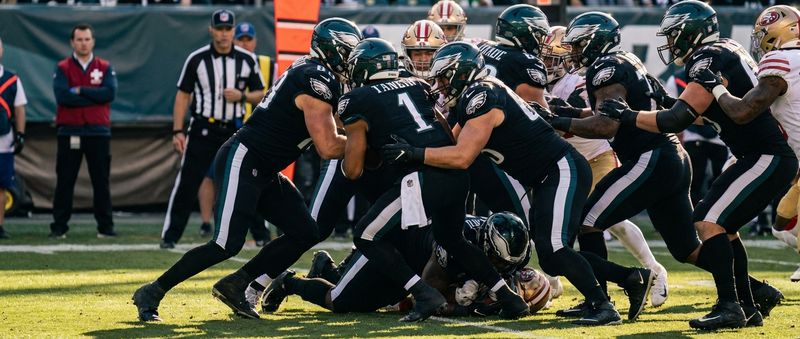
The NFL has opted not to implement a ban on the 'tush push' play for the 2026 season, a decision that has reignited discussions around player safety and the competitive impact of this controversial tactic. While fans and analysts are divided on its merits, league officials have chosen to keep the play legal for now, citing a lack of consensus on its risks and effectiveness.
The 'tush push,' most famously executed by the Philadelphia Eagles in recent seasons, involves a quarterback sneak with teammates pushing from behind to gain short yardage, often on fourth-and-short or goal-line situations. Its remarkable success rate has made it a staple for teams looking to convert high-leverage downs. However, concerns persist regarding the potential for increased injuries to both offensive and defensive players due to the crowded, low-impact nature of the play.
- The NFL's competition committee reviewed the play at the annual league meeting but concluded that there was not enough evidence to warrant a ban.
- Coaches and players continue to debate whether the play is simply a smart adaptation of existing rules or an unfair advantage that undermines the spirit of competition.
- Injury data related specifically to the tush push remains inconclusive, with the league monitoring outcomes closely.
While some teams have called for a ban, citing safety and the play's perceived lack of skill, others argue that it rewards strategic execution and teamwork. The decision to keep the tush push legal means teams can continue to deploy it in short-yardage situations, though scrutiny from league officials and medical staff will likely intensify.
The controversy surrounding the tush push is far from settled, as its popularity grows and more teams adopt the strategy. NFL leadership has stated that they will keep evaluating the play and may revisit the issue next year if concerns persist or new injury data emerges.