NFL Owners’ Hands-On Approach: Boon or Bust for Franchise Success?
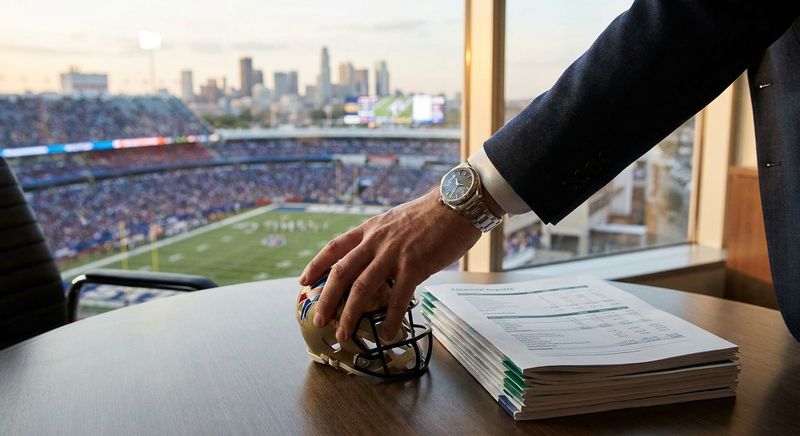
When it comes to shaping the fortunes of NFL franchises, the role of team owners extends far beyond the boardroom. In recent years, several high-profile owners have made the leap from financial overseers to active participants in football decisions—a trend that has delivered both triumphs and disappointments across the league.
The impact of ownership involvement is as varied as the teams themselves. Jeffrey Lurie of the Philadelphia Eagles is often cited as a prime example of an owner whose hands-on approach paid off. Lurie's influence helped the Eagles make bold moves at quarterback, leading to the selection of franchise-altering talents and ultimately contributing to the team’s Super Bowl LII victory. Similarly, Clark Hunt of the Kansas City Chiefs played a key role in landing Patrick Mahomes—a decision that transformed the Chiefs into perennial contenders and delivered multiple championships.
- Jeffrey Lurie's involvement led to a Super Bowl win for Philadelphia
- Clark Hunt helped secure Patrick Mahomes, changing the Chiefs' trajectory
However, owner intervention does not always yield positive results. Jimmy Haslam of the Cleveland Browns provides a cautionary tale. Despite his willingness to make bold football decisions, the Browns struggled for years to find stability at quarterback and in the front office, cycling through coaches and executives with little on-field success to show for it. The franchise’s search for a long-term answer under center often resulted in short-lived experiments and missed opportunities.
- Jimmy Haslam’s decisions correlated with frequent coaching changes and quarterback instability in Cleveland
This “owner effect”—where franchise heads take a direct role in personnel and coaching choices—remains a hotly debated topic in NFL circles. While some argue that passionate involvement can inject urgency and vision, others warn that it may undermine the specialized expertise of front-office professionals. The league offers no clear formula for success, as results depend heavily on the owner’s football acumen, the quality of their advisors, and the ability to balance long-term strategy with the pressures of immediate results.
Examples abound of owners whose calculated risks have reshaped franchises. Yet for every Lurie or Hunt, there is a Haslam—highlighting the unpredictable nature of football’s most influential decision-makers. As the NFL continues to evolve, the question of how much sway owners should hold over football operations remains a defining storyline, shaping the destinies of teams and fans alike.
Sources
- [1]ESPN NFL