NHL Teams Face Pivotal Offseason Decisions: Free Agency and Draft Priorities Shape 2026-27 Landscape
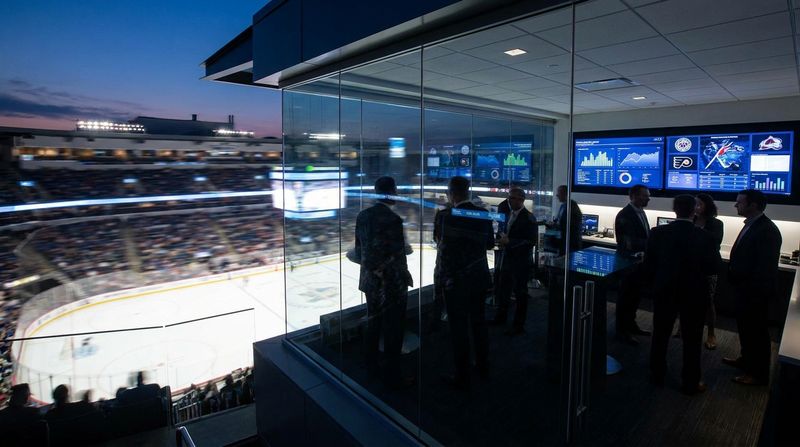
The NHL offseason has arrived, thrusting all 32 teams into a period of critical decision-making as front offices balance immediate needs, long-term roster construction, and salary cap constraints. With the 2026-27 season on the horizon, organizations are mapping out strategies centered on free agency, the NHL Draft, and internal player development to stay competitive in an ever-evolving league landscape.
Front offices across the league are already deep into evaluating their biggest positional gaps and weighing which free agents could offer the most value. For contenders, reinforcing depth and adding playoff-tested veterans is a top priority. Teams on the bubble or in rebuild mode are expected to focus on acquiring young talent and accumulating draft capital, hoping to land the next franchise cornerstone.
- Free agency opens the door for roster upgrades, but cap space remains at a premium for many organizations.
- This summer's draft class is touted for its depth, offering opportunities for both immediate contributors and long-term projects.
- Clubs must balance re-signing key restricted and unrestricted free agents with chasing external targets on the open market.
The playoff picture for 2026-27 could look very different depending on how teams navigate these pivotal months. For example, leading contenders with expiring contracts face tough choices on whether to retain aging stars or pivot toward younger, cost-controlled talent. Meanwhile, teams in transition must decide if this is the year to push chips in for a breakthrough or continue a patient rebuild.
Draft strategy is equally crucial. With the 2026 NHL Draft class projected to be one of the most skilled in recent memory, teams holding top picks are expected to target high-upside forwards and mobile defensemen. Several clubs with multiple first-round selections have the flexibility to trade up or down, depending on their evaluations and organizational timelines. Development pipelines, especially in goaltending and two-way centers, are being scrutinized closely by hockey operations departments.
Another storyline is the movement of established stars who may seek new opportunities if teams choose not to re-sign them. These decisions are often influenced by a combination of performance analytics, locker room leadership, and evolving contract demands. The ripple effect of such moves can shift divisional power dynamics and spark new rivalries heading into the fall.
While the specifics of each team's offseason blueprint differ, the blueprint for success remains constant: shrewd asset management, bold yet calculated risk-taking, and a clear organizational identity. As the summer unfolds, all eyes will be on general managers as they attempt to reshape their teams for a run at the Stanley Cup or lay the groundwork for future contention. The coming weeks are set to redefine the competitive balance across the NHL and offer fans a glimpse of new stars and shifting allegiances before opening night.
Sources
- [1]ESPN NHL