Nito Brea explains the neutral shot that changes padel strategy
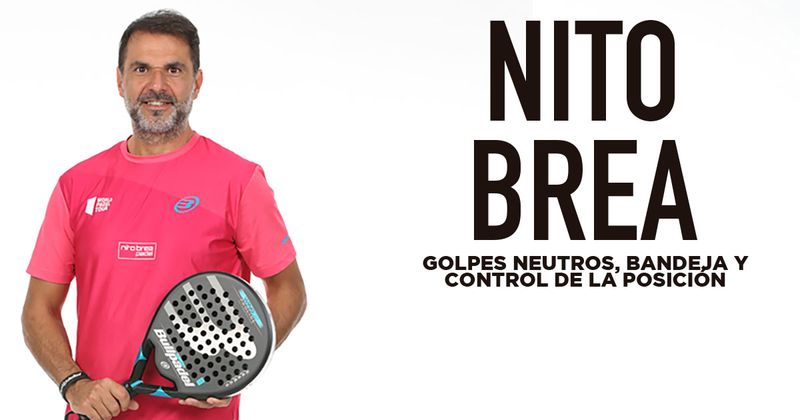
Nito Brea has built a coaching reputation on one deceptively plain idea: not every ball has to hurt the opponent. In his framing, the best rally is often the one that stops the other pair from attacking for free, restores your own court position, and buys one more decision under control. That is the logic behind the neutral shot, and it changes how you read everything from a return game to a defensive lob and the first overhead after you reach the net.
The neutral shot is not a surrender
Brea, whom Bullpadel presents as a former professional player, international coach, trainer of teachers, and coach of professional players, treats the neutral shot as a tactical tool rather than a cautious habit. His point is not to play passively. It is to avoid the common mistake of trying to define every ball, every time, which creates errors and hands away momentum.
A neutral ball, in his view, sits between attack and defense. It does not pressure the rival enough to force a weak reply, but it also does not leave a ball that can be finished easily. That is why the concept works so well in padel, a sport built on margins, timing, and balance. The smartest play is often the one that removes danger and lets the other pair be the first to overreach.
Brea’s authority on this is not abstract. Bullpadel’s book page describes him as a coach whose experience with elite players such as Gaby Reca and Seba Nerone makes him one of the sport’s most respected teachers. His own coaching biography says he worked with Sebastián Nerone from the start of Nerone’s career in 1990 until late 2006, and in 1995 he guided the Nerone-Reca pair on the Spanish circuit championship, where they won three titles in Marbella, Sotogrande, and Puerto de Santa María.
Return games are where the idea starts
The neutral shot matters most in return games, where the temptation is to swing for the first punch. Brea’s logic is that a return does not need to be a winner to be a good outcome. If the ball comes back with enough control to stop the serving pair from stepping in and taking the net on their terms, the return has already done part of the work.
That is why the neutral return is so valuable against aggressive teams. Instead of chasing a low-percentage passing strike, a player can put the ball back with enough margin to keep the rally honest and force the servers to build again. In Brea’s model, the return game is not about stealing the point in one shot. It is about refusing to give the point away in one shot.
The same idea fits the pace of elite padel. A 2025 analysis of a professional women’s final found the average time between shots was just 1.25 seconds, with 43% of shots occurring in less than one second. In that kind of speed, simple decisions are not a retreat. They are survival with intent.
Transition to the net is where control becomes an attack
Brea’s article ties the neutral ball directly to the bandeja and control of position, which tells you where he thinks points are won. Once a pair moves forward, the task is not to hit the loudest overhead possible. The task is to hold the net without giving it away. That is where the bandeja comes in as a control shot, not just a finishing shot.
A neutral overhead in transition does something subtle but decisive. It keeps the pair at the net, denies the opponent an easy counterattack, and resets the rally so the forward pair can stay organized. Outside tactical writing on the bandeja describes it the same way: as an overhead used to preserve position rather than chase a spectacular winner. Brea’s version is more direct, but the principle is identical.
He makes the point with the kind of scenario every padel player recognizes: a high backhand volley or overhead opportunity that looks tempting but does not need to become a hero shot. If the ball comes back into play without inviting a free attack, that is already a good result. In elite padel, position is often worth more than drama.
The defensive lob is not just escape, it is reset
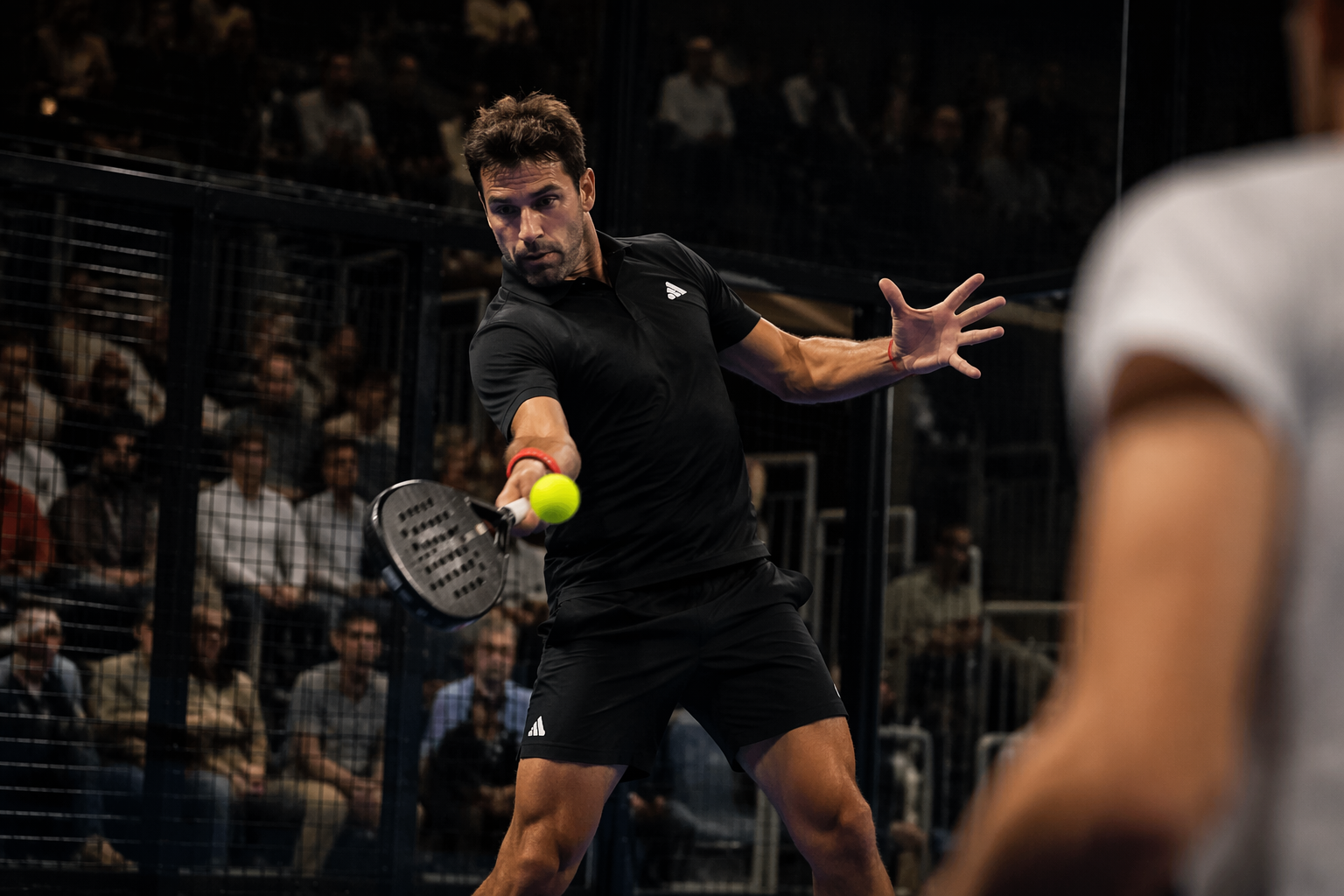
The neutral shot also matters on defense, especially through the lob. A defensive lob is useful when it does more than simply buy time. It changes the geometry of the rally, pushes the net pair backward, and gives the defending side a chance to return to shape.
Brea’s message is that the best lob is not always the highest or the most aggressive. It is the one that is playable enough to avoid a gift on the next ball. That distinction matters because a rushed or overhit lob can turn defense into immediate punishment. A controlled lob, by contrast, forces the opponents to produce the next attack from farther back and on less comfortable footing.
That is the tactical bridge between “neutral” and “winning.” The ball may not look dangerous in the moment, but if it restores structure and forces the rival to initiate, it has changed the point. In a sport that rewards order as much as power, that is often the real edge.
Why Brea’s voice carries weight
Brea is not selling a theory from the outside. He is speaking as someone who has lived through padel’s tactical evolution and helped shape it. His coaching record includes the Nerone-Reca partnership, which a recent profile placed as high as No. 2 in the international rankings, and he remains a presence in the sport’s teaching culture through his own book, Sentido Común, which Bullpadel says condenses 25 years of work into 366 pages.
His playing career still carries its own stamp. In 2024, he became world champion with the Argentine senior national team at the Senior World Championship in La Nucía, Spain, his first world title as a player for Argentina. He also sits inside one of padel’s most visible family lines, identified in a recent Bullpadel interview as the father of Delfi Brea, the world No. 1.
That mix of teacher, former pro, and active champion makes his neutral-shot argument feel less like philosophy and more like craft. He understands the pressure points of elite padel from every side of the court.
The numbers back the same tactical picture
The match data point in the same direction Brea does. A 2024 study of elite men’s padel found that attacking actions broke down into roughly 65% volleys, 23% bandejas, and 12% smashes across four men’s finals on the World Padel Tour circuit. The same study found that 80% of attacking points ended in fewer than three actions. Those numbers say something important: even when padel turns offensive, it still resolves quickly, which makes shot selection and court position decisive.
Another 2024 tactical paper argued that padel’s strategic principles are suitable for coach education and performance analysis. That fits Brea’s approach exactly. He is not just teaching stroke mechanics. He is teaching players to recognize when a ball should calm the point, when it should hold the net, and when it should be used to force the opponent into the first bad decision.
The modern game may be louder, faster, and shaped by stars like Alejandro Galán and Juan Lebrón, whom Brea has said “marked the beginning of a new era.” But the neutral shot is the correction that keeps the sport grounded. Power changes the highlight reel. Control still decides the scoreboard.