NJCAA alumni power March Madness with 240 players and coaches
More than 240 former NJCAA student-athletes and coaches reached the 2026 NCAA men’s and women’s March Madness fields, and the clearest fingerprints were on two programs that keep showing up in the pipeline: Northwest Florida State with 11 participants and Salt Lake with 10, including seven men’s-tournament participants.
The reach was wide. The NJCAA said 61 of the 68 men’s teams and 42 of the 68 women’s teams had NJCAA representation, and 20 participating NCAA head coaches either played at an NJCAA school or coached at that level. That is not a fringe path into the brackets. It is a repeatable route into them, one that keeps sending talent, staffs and basketball know-how into Division I every March.
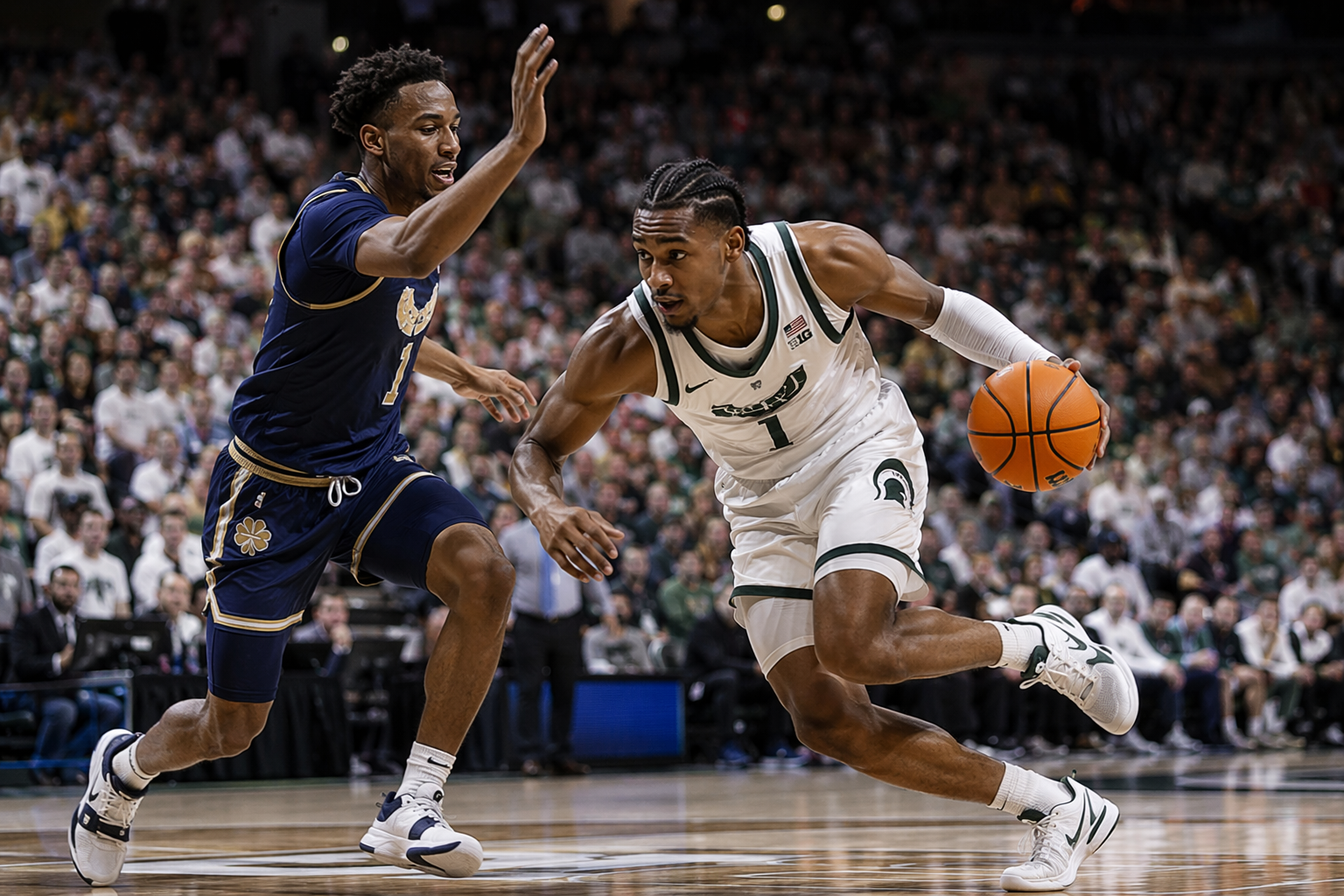
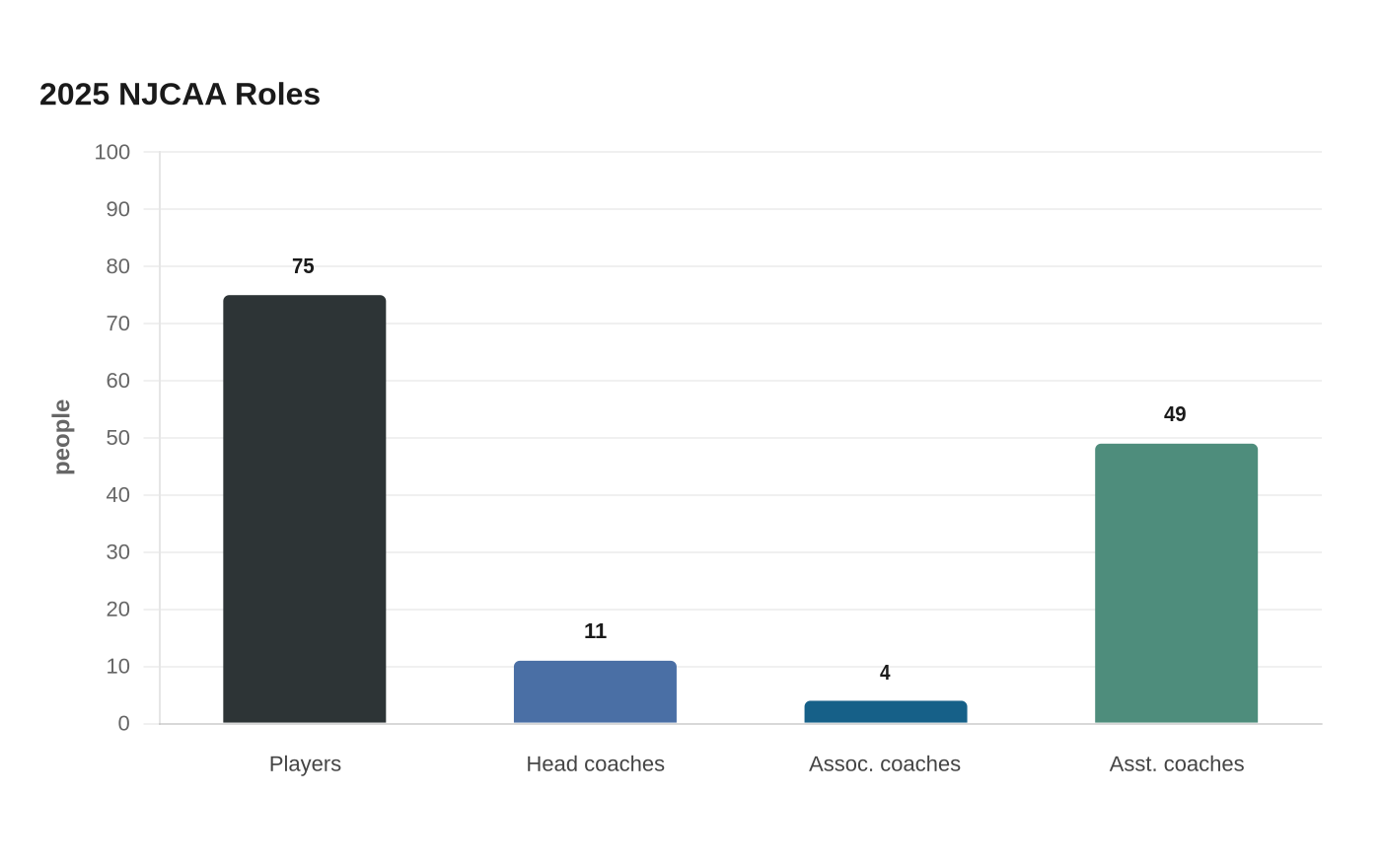
The pattern was already clear in 2025, when the NJCAA counted 139 former student-athletes and coaches in the NCAA Division I men’s tournament alone. That group included 75 players, 11 head coaches, four associate head coaches and 49 assistant coaches. The names attached to that run showed how junior-college experience can accelerate a career: Micah Simpson, who began at Walters State, helped Alabama State’s upset push; J’Vonne Hadley, an Indian Hills alum, moved to Louisville; and Tyon Grant-Foster, another Indian Hills product, emerged as a major factor for Grand Canyon. The same pipeline showed up again in 2024, when NJCAA alumni claimed 64 men’s basketball All-Conference honors and 14 individual conference awards, including Yaxel Lendeborg at UAB and Clarence Daniels at New Hampshire.
That output is rooted in the NJCAA’s structure. The association traces its origin to 1938, when 13 two-year colleges met in Fresno after the NCAA rejected the idea of a national junior-college athletic body. The first NJCAA constitution was accepted on May 14, 1938, and the association staged its first national championship event in May 1939. Today it operates across 24 regions in 24 states and three divisions, giving players and coaches a national ladder without forcing them to wait for Division I opportunities.
The men’s basketball side has its own long runway. The NJCAA championship began in 1948 in Springfield, Missouri, and moved to Hutchinson, Kansas, in 1949, where it has remained. That history matters because it explains why the junior-college game still functions as a competitive shortcut rather than a fallback: players get minutes, coaching staffs get experience, and programs like Northwest Florida State and Salt Lake keep proving that the march to Division I often begins long before the tournament bracket is filled.
Sources
- [1]njcaa.org
- [2]wikipedia.org