NJCAA basketball could benefit from NCAA five-year rule change
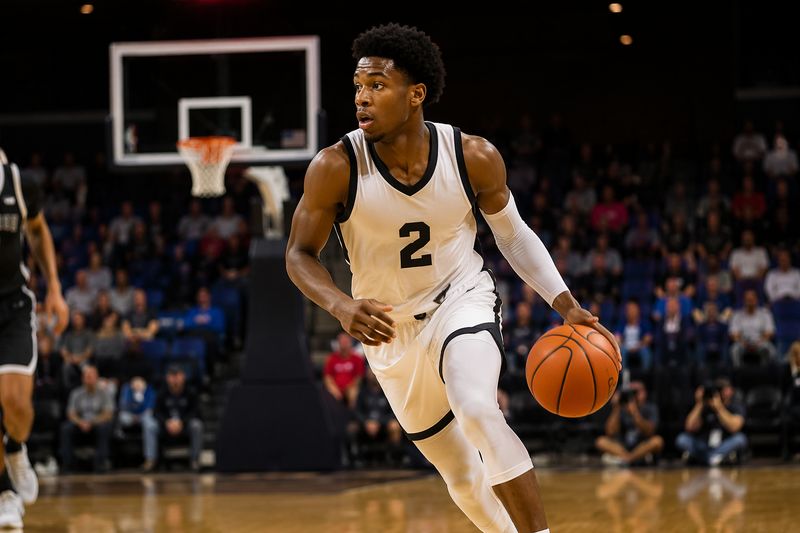
The NCAA’s Division I Board of Directors pushed its age-based eligibility clock forward on April 27, 2026, changing the math for junior college women’s programs. A two-year stop can still buy minutes, film and development, yet a poorly timed stop can now cost a player more of her NCAA window than many families expect.
How the new clock works
The Division I Cabinet refined the model on June 5, 2026, to start the eligibility clock at initial full-time enrollment in college or the beginning of the academic year after a 19th birthday, whichever comes first. The model is effective August 1, 2026, but it applies fully to prospects initially enrolling full time in college in fall 2027 or later; current student-athletes with eligibility remaining after the 2025-26 academic year can use whichever rule is more favorable.
The old five-year, four-season structure gave some players more room to take a circuitous route. Under the new model, every extra semester is easier to count against a fixed window, which makes a post-grad year, a gap year or an untimely JUCO stop part of the eligibility equation rather than a neutral detour.
Where Division I gets squeezed
Coaches and families now have to decide much earlier whether a season spent developing in junior college is worth the clock it consumes, especially for players who are already close to 19 or who delayed full-time enrollment for academic, personal or basketball reasons. In practical terms, the players most likely to be squeezed are the ones who need one more year to mature physically or sharpen their roles, but who also still want as much NCAA runway as possible on the back end. That is the group most likely to look at NJCAA basketball as a route to visibility rather than a fallback.
Division I staffs will be sorting through older, more game-ready rosters, and a JUCO player who arrives with film, a defined position and clear production can look more attractive than a high school recruit who needs a longer runway.
Why NJCAA programs can capitalize
NJCAA eligibility rules create their own checkpoint. An athlete must maintain amateur status starting at age 19 or when they initially enroll as a full-time student in college, whichever comes first, and NJCAA member schools are responsible for fully vetting eligibility with prospects expected to review the rules with campus athletic staff. That means JUCO is not an eligibility free-for-all, but it does mean two-year programs can sell something Division I cannot always offer: a faster path to minutes, a cleaner developmental role and staff attention built around the player’s current stage, not just future upside.
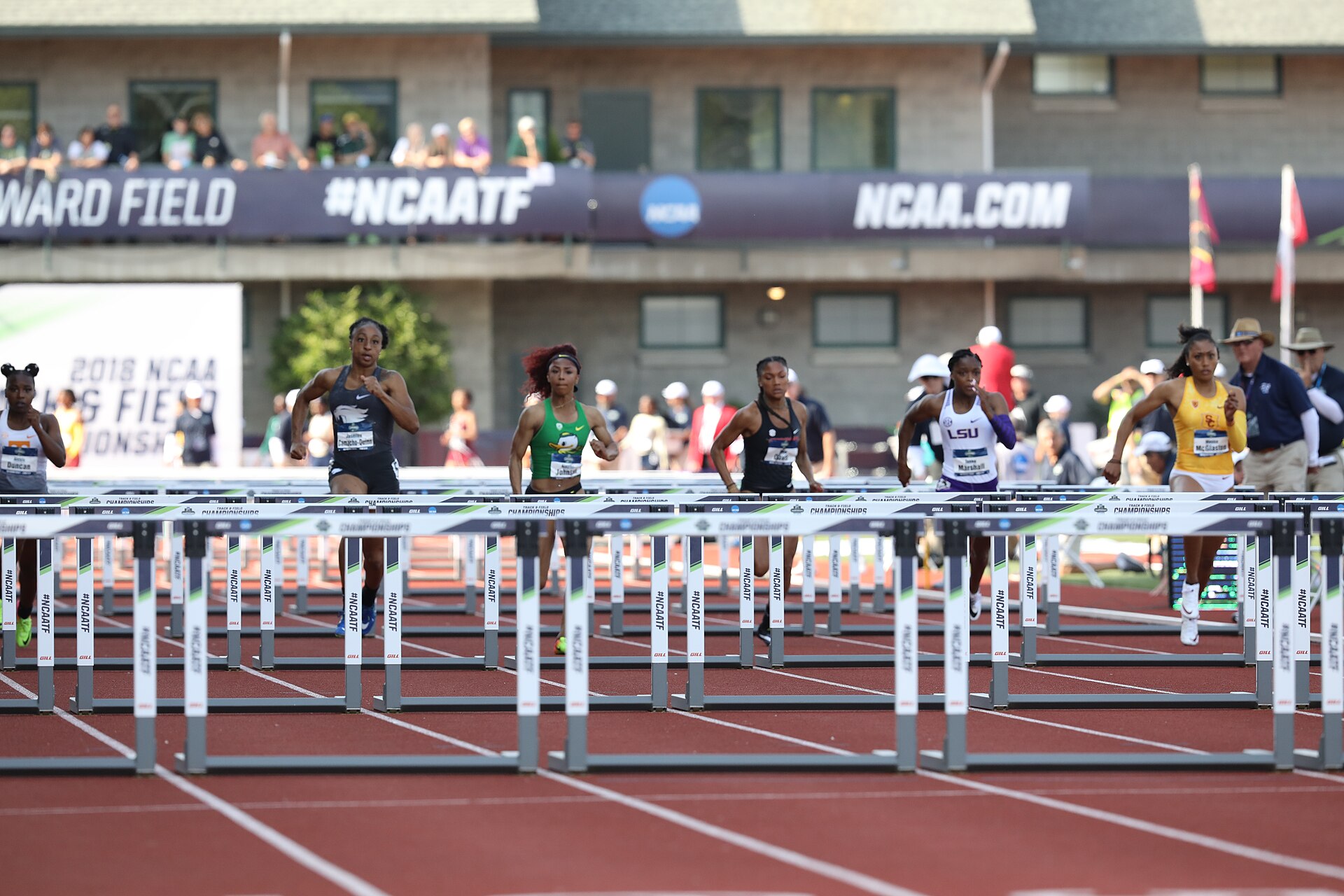
The NJCAA has operated for eight decades as a primary academic and athletic pathway, and the women’s basketball side already has the infrastructure to support this moment. The 2025 NJCAA Division I Women’s Basketball Championship was held March 25-April 1, 2025, at the Ford Wyoming Center in Casper, Wyoming, and the 2025-26 DI district structure still produces 16 district champions plus eight at-large bids for the national tournament.
Eastern Arizona College is a recent example of how the pathway still works at the highest level. In spring 2026, the NJCAA named Esmeralda Enriquez the Division I women’s player of the year and Angelica de Paulo the Division I coach of the year after Eastern Arizona’s run to the national title.
The broader women’s basketball market is already organized around these lanes
The Women’s Basketball Coaches Association recognizes excellence across NCAA Division I, NCAA Division II, NCAA Division III, NAIA, two-year college and high school. The WBCA also announced two-year college honorees in March 2026 and NAIA honorees the same month, while its 2025 NAIA Coach of the Year was Carlotta Kloppenburg of Southern Oregon and the 2026 honor went to Lauren Glenn of Olivet Nazarene.
NAIA options matter too because the model balances academics and athletics, and an April 2025 interpretation updated recruiting policies to increase flexibility for institutions recruiting from junior colleges. WBCA’s NAIA legislation hub tracks that lane as part of the women’s basketball ecosystem.
What families and coaches need to measure now
The decision is no longer just “Can I get there?” It is “How many years will I have when I arrive?” That means the most important questions in a recruiting meeting are concrete: when did the player first enroll full time, how close is she to the academic year after her 19th birthday, and does a junior college season add enough development to justify the eligibility time it uses? The NCAA and NJCAA both tie key rules to enrollment timing and age.
Sources
- [1]urbanmediatoday.com
- [2]ncaa.org
- [3]web3.ncaa.org
- [4]njcaa.org
- [5]wbca.org
- [6]interpretations.naia.org