NJCAA Hall of Fame honors stars, coaches and program builders
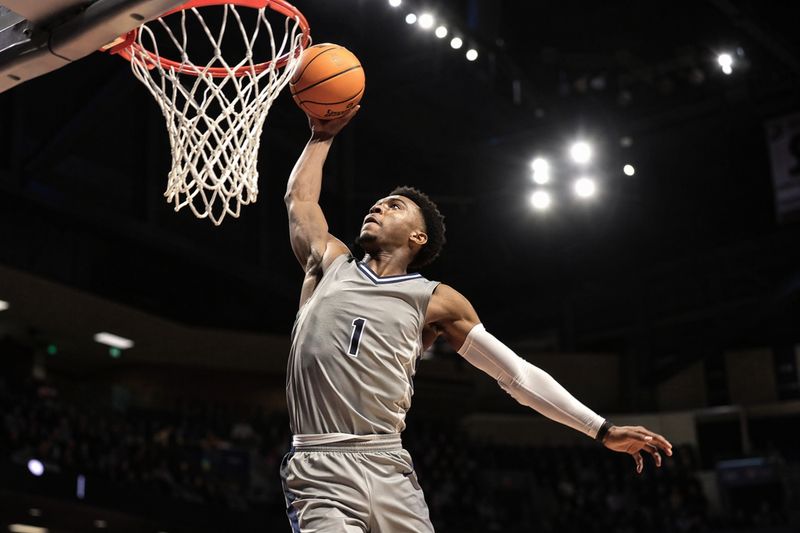
The NJCAA Men’s Basketball Coaches Association Hall of Fame works like a map of the sport’s hidden infrastructure. It honors names that casual fans may know only from later stops, but the deeper story is how junior college basketball turns raw talent into championship players, major-college coaches and long-running program architects. That pipeline matters because the NJCAA’s own history starts early: the first men’s basketball championship was played in Springfield, Missouri, in 1948, and the association credits the Western States Basketball Tournament with helping build the regional and national championship structure that still defines the game.
A class built around impact, not just trophies
The 2026 Hall of Fame class includes five honorees: two student-athletes and three coaches. That mix says plenty about how the NJCAA views influence. It is not only about titles or scoring totals, but also about what happens after those years in a two-year uniform, when a player becomes a high-major star, an NBA draft pick or a coach whose system lasts for decades.
Cleanthony Early, Dontae’ Jones, Nolan Richardson, Steve Forbes and Doug Wagemester make up the class. Early and Jones represent the player pipeline. Richardson stands as the marquee coaching name. Forbes and Wagemester round out a class that reflects both the front end of development and the back end of program construction.
Cleanthony Early and the value of a launchpad
Cleanthony Early’s case is the clearest proof that elite NJCAA production can travel. At Sullivan County Community College, he was a two-time NJCAA Division III Player of the Year in 2011 and 2012, earned NJCAA All-American honors and was named the Basketball Coaches Association of New York junior college player of the year in 2012. Those awards made him one of the strongest stories in the Division III ranks before he ever reached the spotlight of a major Division I stage.
What came next turned the junior college chapter into a straight line toward national relevance. Early helped Wichita State reach the 2013 NCAA Final Four, then was selected 34th overall in the 2014 NBA Draft. That progression gives the Hall of Fame its larger meaning: the NJCAA is not a separate corner of the sport, but often the first serious proving ground for players who later move into the highest levels of college basketball and the professional game.
Dontae’ Jones and the long echo of two-way dominance
Dontae’ Jones brings a different, but equally revealing, story. At Northeast Mississippi Community College, he helped the Tigers go 51-14 over two seasons and pushed the program to its seventh all-time NJCAA Division I National Tournament appearance. His numbers were loud enough to define a season on their own: 25.2 points and 11.2 rebounds per game as a freshman, then 28.7 points and 13.3 rebounds per game as a sophomore.
The volume matched the production. Jones scored 917 points in the 1994-95 season, a total that still signals the level of control he had over games. His later run at Mississippi State, where he became part of the Bulldogs’ 1996 SEC Tournament and NCAA tournament success, ties the junior college stage directly to high-major basketball. That is the pattern the Hall of Fame captures so well: dominance at the two-year level often becomes the foundation for bigger moments elsewhere.
Nolan Richardson and the coaching tree that starts in junior college
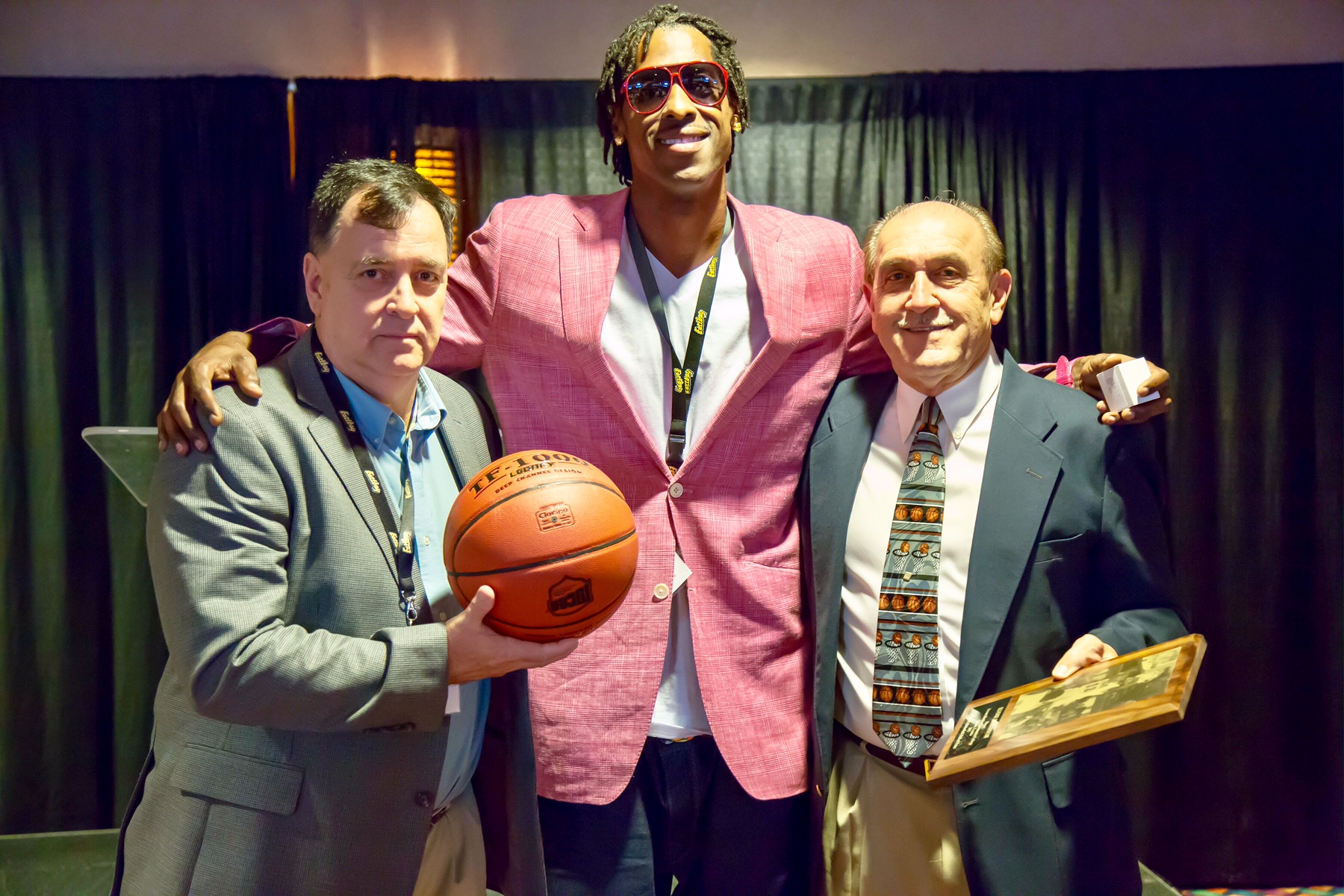
If the player side shows development, Nolan Richardson shows what institutional influence looks like. His NJCAA biography begins at Eastern Arizona Junior College, then moves to Western Texas Junior College, where he coached for three seasons and compiled a 101-13 record. In his final season in Snyder, Texas, he led Western Texas to a 37-0 record and the 1980 NJCAA Men’s Basketball Championship, making that team only the third undefeated squad in NJCAA basketball history at the time.
That season was not just a perfect finish. It was a foundation for a coaching career that later reached Hall of Fame status at Tulsa and Arkansas. Richardson also became the first African American coach to win the NIT championship at Tulsa, adding another layer to his legacy. His Hall of Fame induction reflects more than wins at the junior college level. It recognizes a coach whose ideas, discipline and trailblazing presence shaped the sport well beyond Snyder.
The builders: McGraw, Burns, Johnson and the program side of the ledger
The Hall of Fame’s broader list shows how much NJCAA basketball values program builders. Tim McGraw led North Lake to NJCAA Division III national titles in 2006, 2008 and 2017, and the Blazers reached six NJCAA Division III championship appearances during his tenure. The association later named him Division III Coach of the Year in 2022 after his 25th season at the helm, a reminder that sustained success in junior college is often measured in eras, not just seasons.
Jerry Burns built one of the most durable records in the sport at Monroe Community College, finishing with a 745-243 mark. His teams won 13 Region III titles and six district championships, and Monroe reached the national championship game in 2006-07. That kind of consistency matters in a landscape where roster turnover is constant and every cycle has to be rebuilt.
Kirby Johnson represents a different kind of offensive imprint. He won 12 national scoring titles and coached Temple teams that averaged 101.07 points per game. Terry Carroll, meanwhile, posted a 269-50 record at Indian Hills, with five 30-win seasons and seven 20-win seasons. Those numbers show why the Hall of Fame is about more than banners: it recognizes the coaches who build identities, set standards and make a program matter every year.
Why this Hall still matters now
The NJCAA’s championship archive and stats archive help explain why these inductions carry weight. The association keeps a living record of the sport, tying today’s honors to the championship history that began in 1948 and grew out of the Western States Tournament era. That continuity makes the Hall of Fame part of the NJCAA’s operating memory, not a ceremonial side project.
For readers tracking the sport now, the point is clear. The Hall of Fame is not just about remembering who once won. It is about recognizing the coaches, scorers and builders who made junior college basketball one of the most reliable pipelines in the game, from Springfield to Snyder to Monroe and beyond.