NJCAA pipeline gains value as college basketball rethinks recruiting priorities
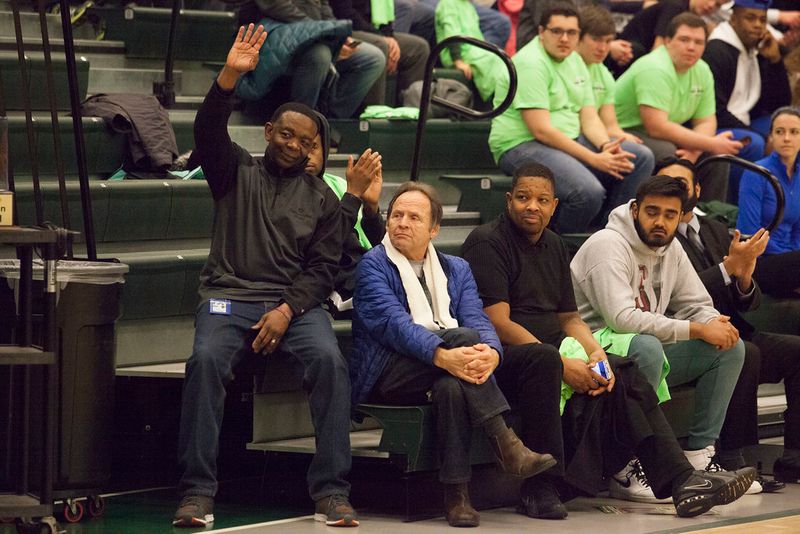
The NCAA Division I Cabinet unanimously approved a new age-based eligibility model on June 23, 2026, changing how college basketball staffs spend scholarships and minutes. That shift is pushing NJCAA players into a recruiting sweet spot.
The new math behind recruiting
The system replaces sport-specific rules and waivers, and it will be fully implemented for the fall 2027 incoming class. Under the model, athletes who meet eligibility requirements and enter college no later than the academic year after their 19th birthday generally will have up to five years of eligibility, though the NCAA does not describe it as exactly a 5-for-5 rule.
That matters because coaches are no longer evaluating only talent. They are evaluating timeline, physical maturity, and how quickly a player can survive the grind of a season. A freshman with upside still matters, but an older transfer who has already lived through college speed, college strength, and college travel now looks like a cleaner bet.
The roster rules sharpen that calculation. NCAA roster changes removed scholarship limits and established roster limits by sport, which means schools can offer partial or full scholarships to every athlete on a roster as long as the team stays within its cap. The shift gives schools more flexibility and, in the NCAA’s view, better supports student-athletes’ education and long-term success, but in practice it forces staffs to be more disciplined about which bodies they commit to.
Why the JUCO lane is getting wider
Junior-college programs have long been a place where players mature academically, sharpen their games, and re-enter the recruiting market with stronger résumés. In a system that now rewards readiness, that path looks even more attractive to four-year coaches who want contributors, not just projects.
A JUCO player often brings what a high school recruit cannot yet guarantee: more game experience, a better sense of role fit, and a body that has already handled college-level physicality. Those are not abstract traits in a roster era shaped by scholarship limits, cap management, and the pressure to keep every slot productive. If a staff has to make each roster spot count, a transfer-ready athlete from the NJCAA pipeline starts to look like a ready-made roster solution.
Junior-college coaches could become bigger players in the sport’s recruiting ecosystem. Their job is no longer just to develop talent for the next level. They have to package that talent in a way that four-year programs can trust immediately, with fewer questions about whether the player can hold up in a bigger league right away.
Who gains, and who feels the squeeze
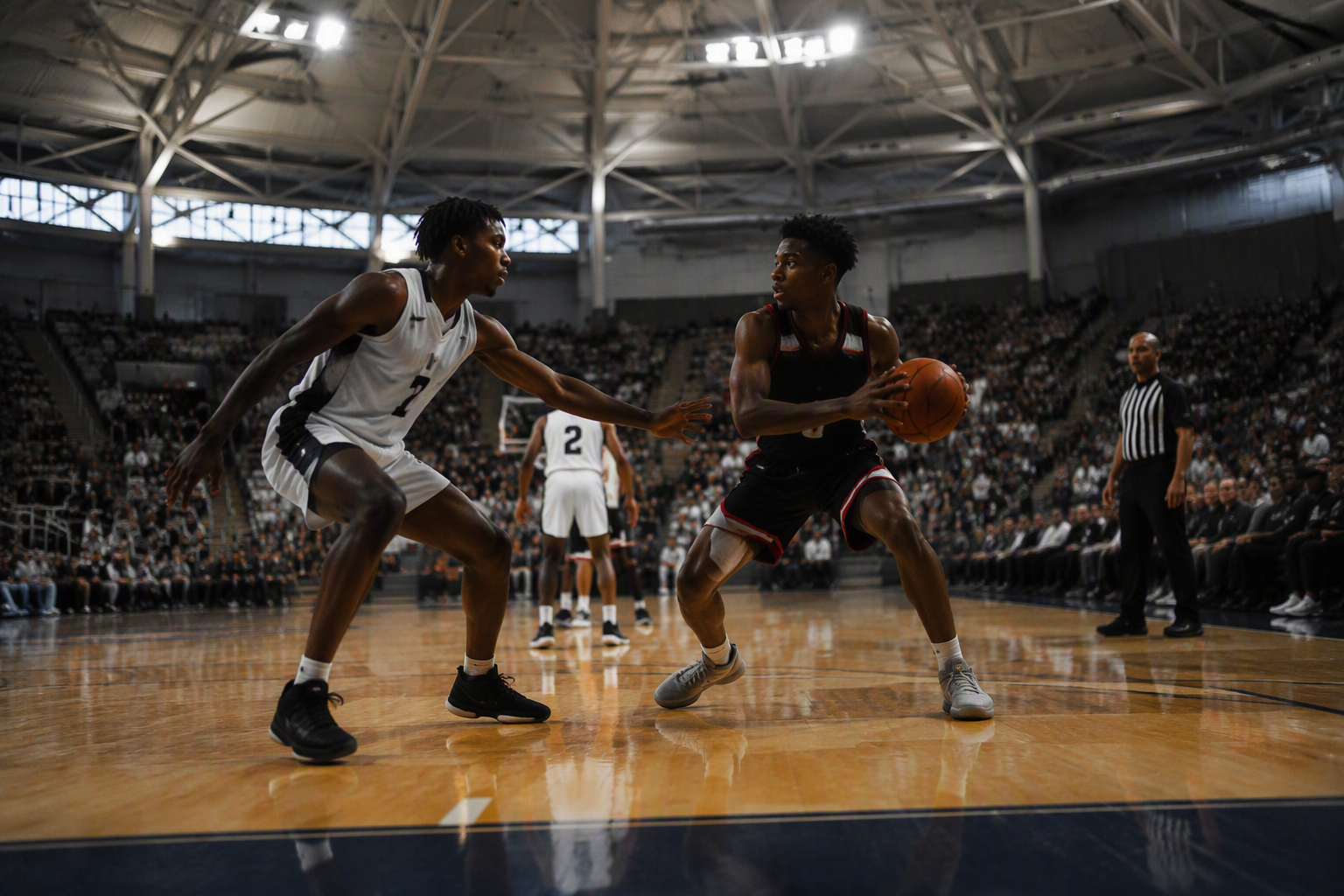
The clearest winners are transfer-ready athletes. They now have a market that values experience, age, and immediate production more than it did when staffs could afford to stash a freshman and wait two years for payoff. The NCAA’s age-based model and roster cap system both reward players who are close to finished products, which is exactly the profile many NJCAA standouts bring to the table.
High school prospects are the group most likely to feel the squeeze. The old recruiting model prized upside, athleticism, and long-term projection. The new one asks a harsher question: can this player help now, and can the staff afford the developmental curve when older options are available through the transfer market and junior college?
That does not mean high school recruiting disappears. It means the margin for error narrows, especially for programs trying to build around older players who can absorb minutes immediately. The more a coaching staff leans on transfers and seasoned contributors, the more selective it becomes about using scholarships on teenagers who may need time to catch up.
What this means for NJCAA coaches
For junior-college coaches, the opportunity is real, but so is the pressure. More four-year staffs are shopping for players who are already battle-tested, which increases the value of a season at the JUCO level when it produces a player who can walk into a rotation and survive. That raises the standard for what counts as a successful junior-college stop: it is not enough to improve a player, because the player has to leave ready to help immediately.
The market also rewards timing. A player who enters the NJCAA system and comes out with a stronger body, cleaner skills, and a clear role can match the needs of programs that are reworking scholarship math and roster balance at the same time.
The broader backdrop
The same age-based model was later adopted by Division II for the 2026-27 academic year, mirroring Division I. Across the sport, the rule change has already stirred lawsuits and debate over waivers, redshirts, and athlete opportunities.
Sources
- [1]nytimes.com
- [2]ncaa.org
- [3]collegesportscommission.org
- [4]cbssports.com
- [5]espn.com
- [6]wingertlaw.com
- [7]bakerlaw.com
- [8]valleynewslive.com