NJCAA signing day guide emphasizes compliance for basketball programs
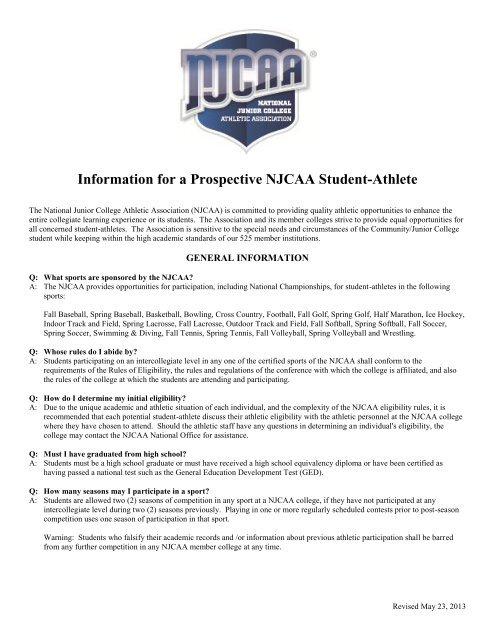
Beginning with the 2022-23 academic year, all NJCAA letter-of-intent signing, releasing, and searching moved into the NJCAA Admin Portal. Signing day is one of the loudest moments on the NJCAA basketball calendar, but celebration does not override the bylaws. One loose handoff, one sloppy announcement, or one extra perk can turn a feel-good commitment into an eligibility headache.
Signing day is a celebration, not a free pass
The signing-day resource is a question-and-answer compliance guide for schools and student-athletes. It is built for the people who actually have to manage the moment, coaches, athletic directors, compliance staff, and families, not just the social media team. Signing day matters because both sides want the visibility that comes with a commitment, but the association’s rules still govern what can happen in the room.
That matters in junior-college basketball because roster churn is constant. Programs often rebuild quickly, and a new class can change everything from point-guard depth to frontcourt size in one signing cycle.
The paperwork now runs through the Admin Portal
The most important operational shift is also the easiest one to miss. Signing day now carries a digital paper trail in the NJCAA Admin Portal.

For coaches, that means the public announcement is only one layer of the job. The actual paperwork has to be handled in the portal, and the release process matters just as much as the signature itself. For programs trying to stay ahead of summer and early fall announcements, that shift is a reminder that the NCAA-style “post it and move on” approach does not apply here.
If the portal entry, the release status, and the public reveal do not match, the program is inviting confusion at the exact moment it needs clarity. In a sport where a junior-college roster can change fast, that kind of mismatch can create recruiting problems, eligibility questions, and unnecessary administrative cleanup.
Even a T-shirt can raise a compliance question
The page gets specific about the gray areas. One visible question asks whether a college may provide the signee with a T-shirt or similar item to wear designating the school of choice while the letter of intent is signed. The detail can look harmless in a photo and still matter under NJCAA bylaws.
Schools can absolutely publicize new additions, especially when incoming classes are being announced in the summer and early fall, but the ceremony still has to fit within the association’s rules. The difference between a clean celebration and an impermissible recruiting gesture can be as small as an item handed across a table.
If the school is staging a signing photo, the staff needs to know exactly what can be provided, who can receive it, and how the moment is framed.
The NJCAA keeps signings traceable
The association does not leave signings to school-by-school memory. It maintains a searchable National Letter of Intent Signees database, which shows that these commitments are tracked centrally rather than treated as informal local news. The search instructions are specific too: to use the LOI search, you must enter the first letter of the athlete’s first name and at least the first two letters of the athlete’s last name.
If the association can search and record signings in a structured database, then schools need their own records to be just as orderly. A sloppy spelling, a missing release, or a mismatch between the announcement and the portal record is the sort of error that creates avoidable work later.
The archive shows the guidance is longstanding
NJCAA eligibility archive results include a “Signing Day!” item dated January 14, 2014, along with a page titled “What Does It Mean When I Sign A Letter Of Intent With An NJCAA Member College” dated October 18, 2013. The prospective-student materials also include a brochure revised June 16, 2016.
Sources
- [1]njcaa.org
- [2]static.gochapsgo.com
- [3]facebook.com