NJCAA women’s basketball grew from invitational to championship sport
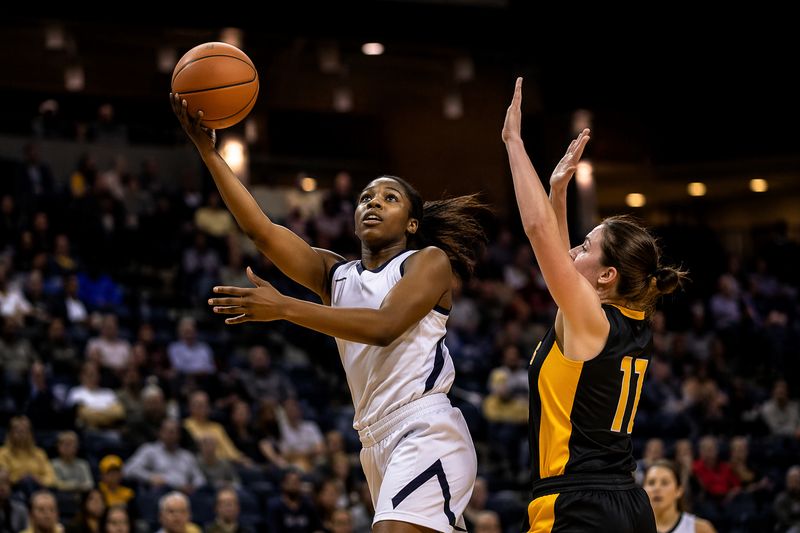
NJCAA women’s basketball did not begin as a fully formed championship scene. It started as an experiment, moved into a women’s division, and then got the formal recognition that made it permanent. That climb from invitational status to a national title path is the reason the sport carries so much institutional weight today.
From test event to sanctioned opportunity
The turning point came in the 1974-75 academic year, when NJCAA created national invitational tournaments for women’s volleyball, basketball, and tennis. Those events were not a symbolic gesture. They were the first practical proof that two-year colleges could stage serious women’s competition with national reach and real competitive stakes.
NJCAA’s own history marks March 1975 as the moment it established the first women’s division for collegiate athletics in the United States. That is the hinge point in the story. Once the division existed, women’s sports were no longer hanging off the side of the association as temporary projects. They had a home, a structure, and a path to grow into full championship status.
Why March 1976 changed the sport
Women’s basketball took the next leap in March 1976, when NJCAA reclassified the tournament as a national championship. That one change did more than rename the event. It put women’s basketball into the record of championship sports, with the legitimacy that comes from an official title and the continuity that comes from being tracked year after year.
The sequence matters because it shows how NJCAA built access first and prestige second. The invitational created a stage. The women’s division created a system. The championship designation made the sport part of the association’s permanent competitive architecture. For athletes and coaches, that meant the difference between proving the concept and building a legacy.
The larger women’s-sports shift inside NJCAA
NJCAA was early to this transition. In spring 1975, the association says it became the first of the three major national collegiate athletic associations to adopt women’s athletics, years before the NAIA and NCAA followed with similar emphasis. That gives NJCAA women’s basketball a place in the broader Title IX-era shift that changed college sports across the country.
Lea Plarski is part of that institutional story. She joined NJCAA leadership in 1975, and her first year as vice president lined up with the launch of the first women’s division. She later became the first woman elected NJCAA president in 1990. Her career tracks the same arc as the sport itself: from opening the door to occupying the top seat.
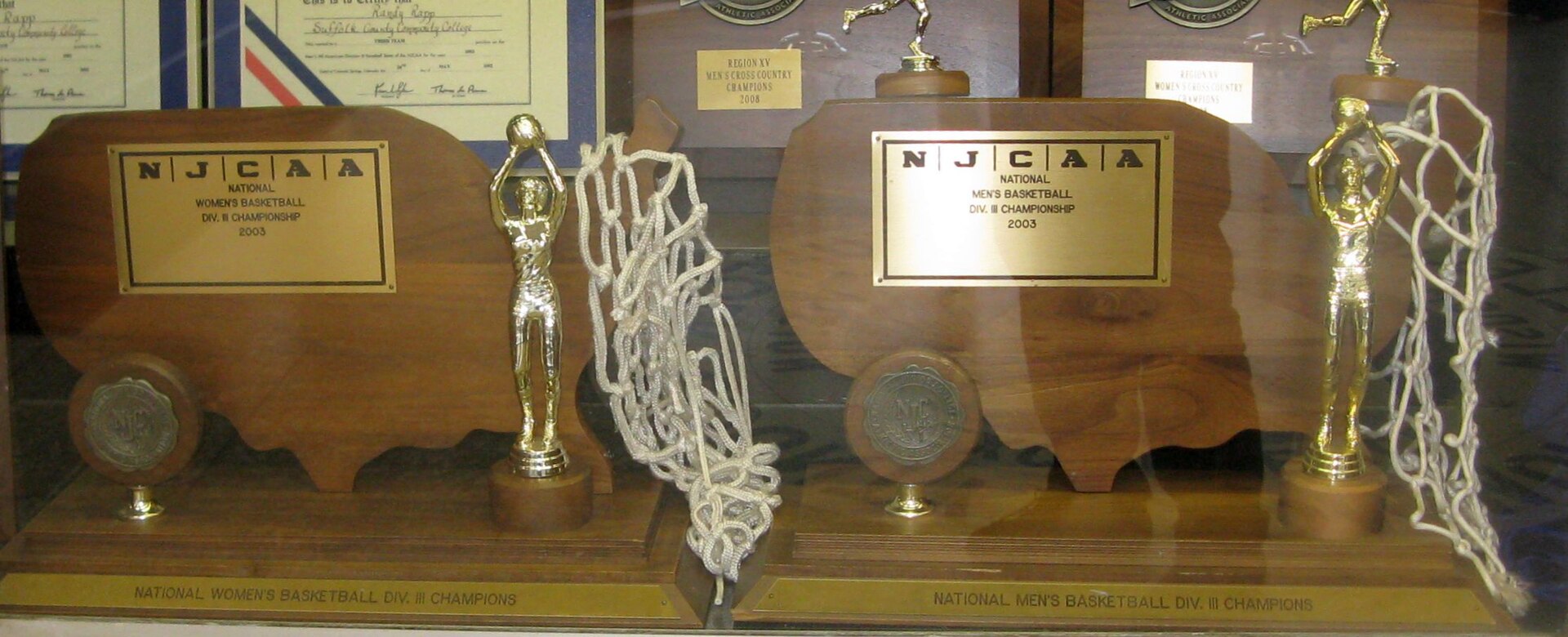
The early women’s sports timeline at NJCAA shows how quickly the association moved once it committed. The first women’s volleyball invitational championship was held in December 1974 at CCBC Catonsville in Baltimore, Maryland. The first women’s tennis invitational championship followed in May 1975 in Kerrville, Texas. Women’s volleyball was then reclassified as a national championship in November 1975. Basketball was part of that same rapid sequence, not an outlier floating on its own.
How the modern structure carries that history
Today, NJCAA women’s basketball has a record book that is updated annually and tracks all-time tournament results for Division I, Division II, and Division III. That matters because record books are about more than nostalgia. They are the institutional memory of a sport, the place where a program’s title runs, stars, and breakthrough seasons become part of the official record.
The championship archive tells the same story. It lists seasons across Division I, Division II, and Division III, showing that women’s basketball has evolved into a multi-division system with depth, not a one-off title race. Division III’s presence in that archive for many seasons is proof that the sport has grown far beyond its experimental roots. There are now more places for programs to land, more paths to compete, and more legitimate championship targets for teams at different competitive levels.
That three-division setup is the quiet revolution in the background of the sport. It broadens access without flattening the level of play. It gives smaller rosters and different institutional profiles a real stage while still preserving the national championship standard that made the sport matter in the first place.
The stage is bigger now, but the structure still shows its origin
The modern profile of NJCAA women’s basketball includes national visibility that would have been hard to imagine when the first invitational was being staged. The Division I women’s championship reached national television through CBS Sports Network, a sign that the sport has moved into the mainstream of junior-college competition without losing its identity.
The current women’s basketball hub also shows how much infrastructure now surrounds the game. Rankings, stats, all-America honors, and the 2026 season awards all sit alongside the championship history. That is what a mature sport looks like inside an association: not just a title game, but a year-round ecosystem of recognition, measurement, and context.
The clearest takeaway is not simply that women’s basketball grew. It is that NJCAA built the lanes that let it grow, then kept widening them. From the 1974-75 invitational tournaments to the March 1975 women’s division, from the March 1976 championship reclassification to today’s Division I, II, and III structure, NJCAA women’s basketball has carried its pioneer-era logic all the way into the present.
Sources
- [1]njcaa.org