Oregon QB Dante Moore Calls for Mental Health Support Amid Collegiate Pressures
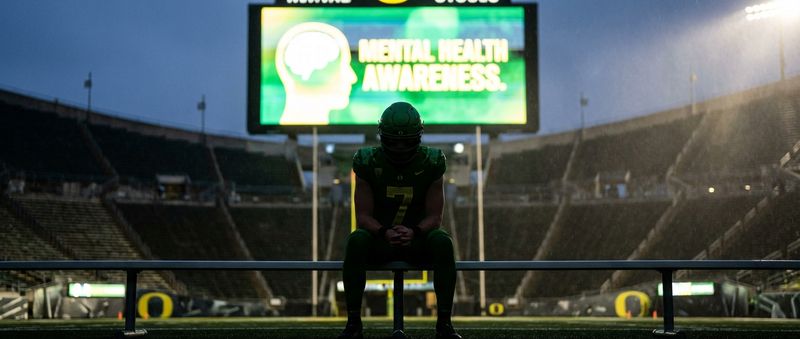
Oregon quarterback Dante Moore has brought attention to the growing mental health concerns among college athletes, revealing his own struggles in a heartfelt move to seek support from state leadership. Moore, a prominent figure in college football, disclosed his battle with mental health issues stemming from the intense pressures associated with major collegiate competition.
Moore's revelation underscores a pervasive issue affecting athletes nationwide. The high expectations, rigorous schedules, and public scrutiny inherent in college sports often contribute to mental health challenges. Moore’s decision to write to the governor signals a call to action for improved mental health services tailored to the unique needs of student-athletes.
- Moore publicly acknowledged his mental health struggles, linking them directly to the demands of playing Division I football.
- He appealed to state leadership for increased resources and support systems for athletes facing similar challenges.
- His advocacy highlights the broader conversation about mental health in college sports, an issue receiving increased attention from athletic departments and governing bodies.
The move by Moore adds urgency to the discussion about mental health infrastructure within athletic programs. Many universities have begun expanding counseling resources, but gaps remain, especially for athletes whose schedules and privacy concerns can make access difficult. Moore's outreach provides a personal perspective on the stakes involved, emphasizing the need for systemic change.
The NCAA has cited rising rates of anxiety and depression among student-athletes, with initiatives underway to promote awareness and destigmatize mental health concerns. Moore’s actions align with this trend, amplifying the voices of athletes seeking tangible support and policy changes.
Moore’s advocacy is resonating beyond the football community, with his story serving as a reminder that mental health is a critical component of overall athletic performance and well-being. As the college sports landscape evolves, the push for comprehensive mental health services remains a priority for athletes, coaches, and administrators alike.