Padel clubs turn vacant warehouses into growing sports venues
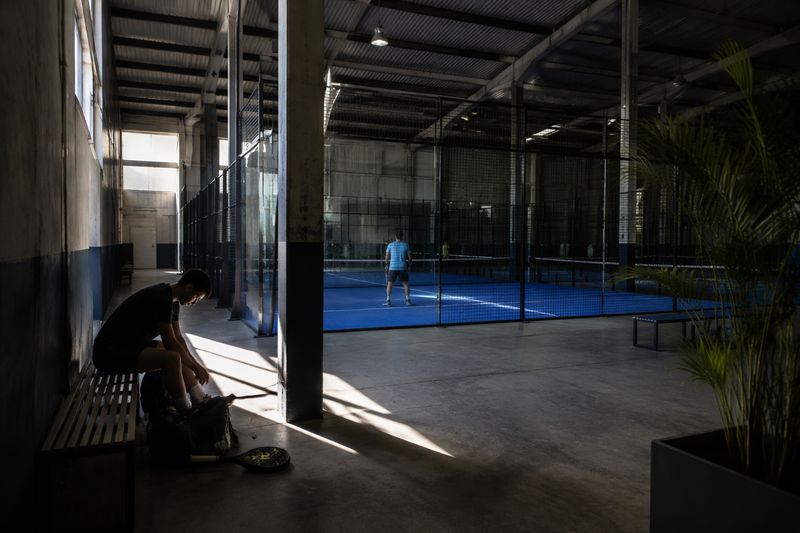
A standard padel court needs at least 25 meters by 15 meters, and indoor play needs a ceiling height of 6 meters, with around 8.0 meters recommended for unrestricted high-level play. That geometry is turning dead warehouse space into something far harder to ignore than an empty bay. The sport’s court geometry, membership model, and social add-ons line up with the kind of large, open industrial buildings that have been sitting in limbo as landlords look for a new use beyond logistics.
Why warehouses fit the sport
That is exactly why warehouses make sense: they usually offer the open span, clear height, and uninterrupted floorplate that padel needs, while many retail and office boxes simply do not.
The building does not have to be perfect, but it does have to be practical. Padel also needs lighting, circulation space, changing rooms, social areas, and room for spectator viewing, and warehouse shells often make those elements easier to fit in than more segmented commercial formats. Add parking and the ability to move people in and out without major structural surgery, and the industrial building starts to look less like a problem asset and more like ready-made recreation space.
The business model behind the conversion
The appeal is not just architectural. Instead of waiting for one large tenant to take all the square footage, operators can reconfigure a warehouse into a club that generates steady traffic through memberships, lessons, social events, food-and-beverage sales, leagues, corporate outings, and beginner clinics. That mix matters because padel clubs can fill off-peak hours in a way that pure warehouse users or single-purpose entertainment concepts often cannot.
Landlords are starting to see padel as an occupancy solution, not just a lifestyle trend. In dense suburban and urban-edge markets, a club can act like a community hub and a recurring revenue engine for the property, especially when the alternative is a hard-to-lease shell in older logistics or light-industrial stock. The conversion profile is also relatively modest compared with many entertainment uses, particularly when the building already has generous clear heights and parking.
Why the timing lines up
The warehouse angle has become more attractive because the industrial market has been shifting under owners’ feet. After the 2020-2022 boom, supply growth outpaced demand and industrial vacancy rose, pushing many owners to consider nontraditional tenants for older space. A July 21, 2026 JLL industrial market update showed leasing activity had accelerated and vacancy had contracted for the first time in three years, but that improvement does not erase the problem of obsolete or inefficient buildings that still struggle to land a conventional occupant.
Padel itself is also coming off a rapid global rise. Enrique Corcuera invented the sport in Acapulco, Mexico in 1969, and it later spread through Spain and then outward through club and federation development. Playtomic’s Global Padel Report counted 50 new padel clubs opening every week worldwide, and a separate 2024 report release put prior-year global openings at more than 3,200 clubs.
What the U.S. market looks like now
A 2025 U.S. padel report snippet put the country at 688 courts across 180 facilities in the second quarter of 2025, while a 2026 U.S. statistics page put the count above 700 courts across more than 230 clubs, with 140-plus clubs in planning or under construction. In a Playtomic and Strategy& report, the U.S. market remained nascent.
When a sport is growing but dedicated inventory is still thin, retrofitting a vacant industrial building can move faster than waiting for a ground-up project, especially in markets with strong local demand for fitness, social play, and indoor recreation.
Sources
- [1]globest.com
- [2]padelfip.com
- [3]sportsbusinessjournal.com
- [4]einpresswire.com
- [5]brandedpickleball.com
- [6]mmcginvest.com
- [7]jll.com
- [8]networldsports.com
- [9]thepadelpaper.com
- [10]openpr.com