Padel's next growth wave may come from the United States and India
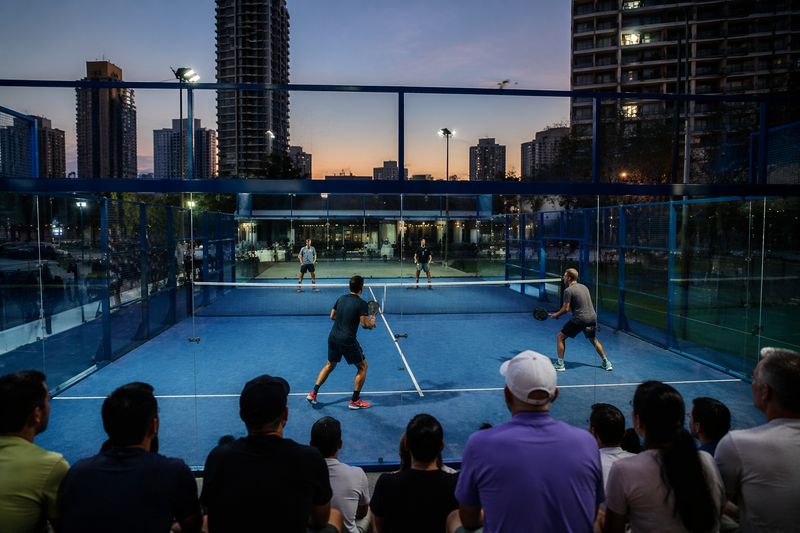
Padel's next power shift is not about one more Spanish or Argentine club corridor. Playtomic and PwC Strategy& put the global market at about 58,300 courts, nearly 20,000 clubs and 19.4 million players, and the real race is now being waged in the countries the Global Padel Report 2026 calls “diamonds in the rough”: the United States, India, Australia, Indonesia, Brazil and Poland. Playtomic’s projection of 91,000 courts globally by 2028 makes the point plainly, this sport is still building its map.
The U.S. is the clearest stress test
The United States matters because it already has the ingredients that usually turn a niche into a business. It has a massive population, a racket-sports culture that understands court games, and a sports-investment market that can fund scale once a sport proves it has staying power. SFIA said padel crossed one million players in the U.S. in 2026, and later described participation at about 1.07 million Americans in 2025, using a Topline Participation Report built from 18,000 annual interviews across 126 sports, fitness and leisure activities.
That still looks early when set against the country’s broader racquet landscape, but the infrastructure gap is the real story. One 2026 report put the U.S. at more than 1,000 padel courts, while another said the wider racquet-sports court universe includes 76,000-plus courts across 6,600-plus U.S. cities. Padel is concentrated in Florida, Texas, California and parts of the East Coast, which means the sport is still clustered where density, wealth and social visibility can do the heaviest lifting.
Miami has already become the sport’s American calling card. Premier Padel staged the Miami Premier Padel P1 in March 2026, a useful marker that the U.S. is not just adding courts, but starting to host the elite-level events that can give a new market legitimacy. The barriers are real, though: construction costs, commercial rents, permits, administrative drag and a business climate shaped by tariffs and supply-chain pressure all make expansion expensive before the first serve is hit.
India has the deepest runway
India may be the bigger long-term prize because the base is so small relative to the population. Hudle and CAA Portas’ India Padel Report 2026 reportedly puts the market at about 100,000 players and roughly 500 courts, with today’s market value at USD 25 million to USD 30 million and a projection of USD 250 million to USD 300 million by 2036. That is the profile of a sport that has not hit its ceiling, it has barely found the right cities.
The adoption curve is the striking part. The same report says participation rose from around 500 to 1,000 players in 2022 to nearly 100,000 in 2025, which is a jump from novelty to real consumer habit in a very short span. Hudle’s booking data, where more than 90% of padel reservations are captured, adds something most emerging markets do not have yet: a transaction layer that shows actual demand, not just social-media curiosity.
India’s opportunity is urban first, not nationwide all at once. The sport can build density in premium pockets, then use those clusters to spread through coaching, leagues and repeat bookings. That is why the country keeps surfacing as a growth engine, its population depth, racket-sports familiarity and digital booking ecosystem give it a path that does not depend on instant mass adoption.
Brazil, Indonesia and Australia already have pieces in place
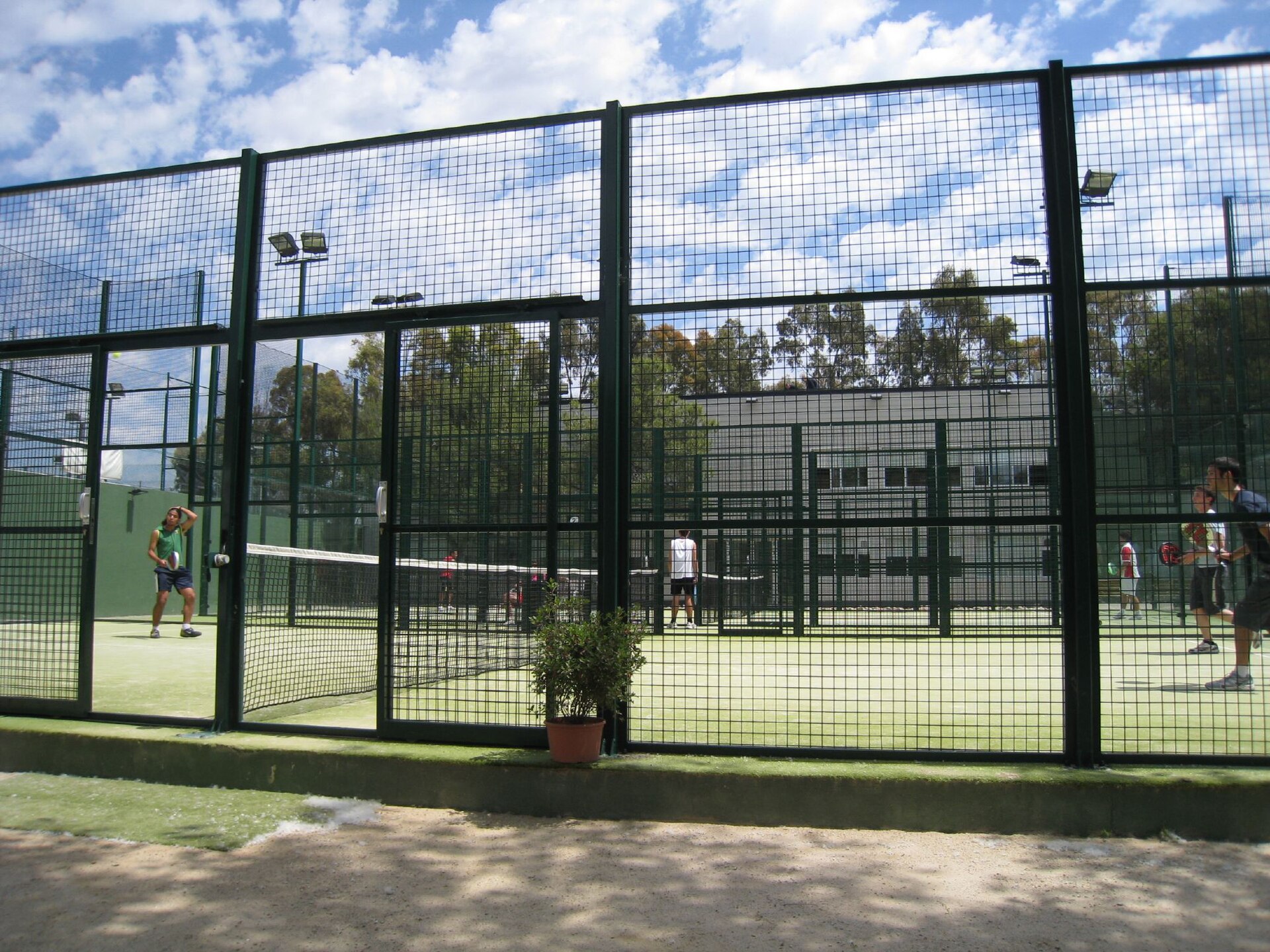
Brazil has a different kind of advantage: institutional footing. The International Padel Federation lists COBRAPA as the Brazilian Padel Confederation, and market guides put the country above 1,200 courts with growth around 20% year over year. COBRAPA has also confirmed padel for the XIII South American Games in Santa Fe 2026, which matters because multi-sport visibility usually does more for grassroots legitimacy than another private-club opening ever will.
Indonesia and Australia show how federation structure can turn an early market into a real system. PBPI is the official padel federation in Indonesia, and FIP has already scheduled junior and Bronze-level events in Jakarta in 2026. That combination matters because junior events and Bronze-level tournaments create a ladder, and ladders are how a sport moves from casual play to pathways for competitive growth.
Australia is smaller, but it is organized. The Australian Padel Federation is listed by FIP, and Melbourne hosted the Australian Padel Open in January 2026 with prize money of EUR 19,950. The federation also describes the Aussie Crocs as the country’s official men’s, women’s and masters teams, a sign that the sport already has national identity and team structures rather than just scattered clubs. One 2026 guide put Australia at 70-plus courts, with new clubs opening monthly, which is exactly the kind of slow-but-visible build that can turn into a real market if the pipeline keeps growing.
What actually creates future dominance
The countries that break through will not just have fans, they will have the plumbing. Courts need land, permits and capital; the U.S. is already wrestling with high build costs and heavy operating expenses, while India’s next step is connecting premium urban demand to enough clubs and booking volume to make the model repeatable. Federation support matters too, because COBRAPA in Brazil, PBPI in Indonesia and the Australian federation all give the sport competition ladders, national pathways and institutional credibility.
Youth systems and event calendars are the next lever. Jakarta’s junior events matter because they signal that padel is not just an adult social sport there, and Premier Padel’s 2026 calendar, with 26 tournaments across 18 countries and nearly 75% indoors, shows the infrastructural model the sport is converging on. Indoor courts, reliable bookings and a steady tournament pipeline are what keep participation from stalling when weather, land use or commercial rents get in the way.
The old strongholds are still the benchmark
Padel began as a niche in Spain and Argentina, then became a global business. That history matters because it shows what growth looks like when a sport gets the right mix of club culture, visibility and investment, but the next jump is different. The mature European markets have already done the first act; the next decade will be decided by whether the United States, India, Brazil, Indonesia and Australia can turn big populations and early demand into dense, durable ecosystems before the momentum shifts somewhere else.
Sources
- [1]padel-magazine.co.uk
- [2]playtomic.com
- [3]worldpadelreport.com
- [4]padelusa.org
- [5]sfia.org
- [6]premierpadel.com
- [7]mediabrief.com
- [8]freepressjournal.in
- [9]padelfip.com
- [10]cobrapa.com.br
- [11]padelaus.com.au
- [12]pbpi.or.id