Pan American racquetball drives qualification for major regional games
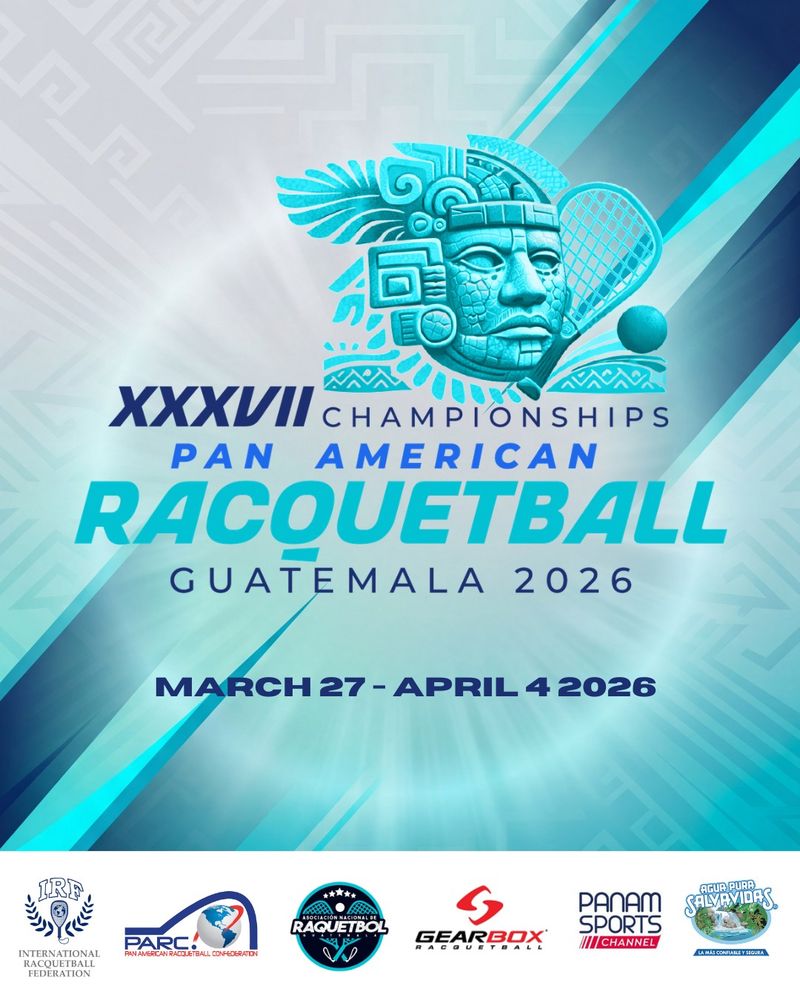
Racquetball does not build its future in isolated national events. It does it on the Pan American circuit, where the same nations keep meeting, the same brackets keep resetting, and the next step is usually another continental event, not a dead-end trophy. The clearest proof is the 2026 Pan American Championships in Guatemala City, a week that was built not just to crown winners but to sort teams for the 2026 Central American and Caribbean Games in Santo Domingo and the 2026 South American Games in Santa Fe.
The continental ladder is the sport’s real engine
The Pan American Racquetball Confederation has spent decades turning the Americas into a connected competition zone. PARC says racquetball has been part of most multi-sport competitions of the Americas since 1990, and its Pan American Championships have run since 1985, every year except 2000. That kind of continuity matters because it gives players, federations, and fans a dependable calendar where form gets tested repeatedly instead of being frozen by one-off titles.
PARC’s history also shows how deeply the sport has been embedded in the region’s Games structure. Racquetball became a full medal sport at the 1995 Pan American Games in Mar del Plata, Argentina, and PARC lists results from Guadalajara 2011, Toronto 2015, Lima 2019, and Santiago 2023 in its Pan American Games archive. That record tells the story plainly: racquetball’s center of gravity in the Americas has been continental for a long time, and the sport’s strongest pathway runs through these recurring regional stages.
Why the 2026 Guatemala City event matters
The XXXVII Pan American Racquetball Championships, scheduled for March 27 to April 4, 2026, at Domo Complejo de Racquetball in Guatemala City, sits at the heart of that system. PARC billed it as the qualifying and seeding event for both Santo Domingo 2026 and Santa Fe 2026, which makes it more than a standalone championship. It is a sorting mechanism, with results that shape who gets to advance, where they land in the draw, and how the next round of continental competition opens up.
The divisions also show how broad the pipeline has become. The 2026 championships are organized around Open Cup, Junior Cup, and Challenger Cup competition, with mixed doubles and +55 doubles included in the mix. That structure matters because it stretches the event beyond elite adults at the top of the bracket. Juniors, older players, and doubles specialists all have a place in the same continental frame, which is part of why racquetball keeps producing continuity instead of just occasional peaks.
PARC also said the Guatemala City event would be live-streamed through the IRF YouTube channel, the IRF Facebook page, and Panam Sports Channel. That is not a cosmetic detail. Continental racquetball depends on visibility, and a championship that can be followed across digital platforms is better positioned to keep its audience connected from one season to the next.
The presidents, the history, and the institutional spine
The sport’s Pan American structure did not appear by accident. PARC identifies Keith Calkins as its first president, serving from 1986 to 2000, followed by Osvaldo Maggi of Argentina. Those names matter because they mark the federation’s institutional backbone, the kind of continuity that keeps championships, archives, and qualification systems from collapsing into disconnected events.
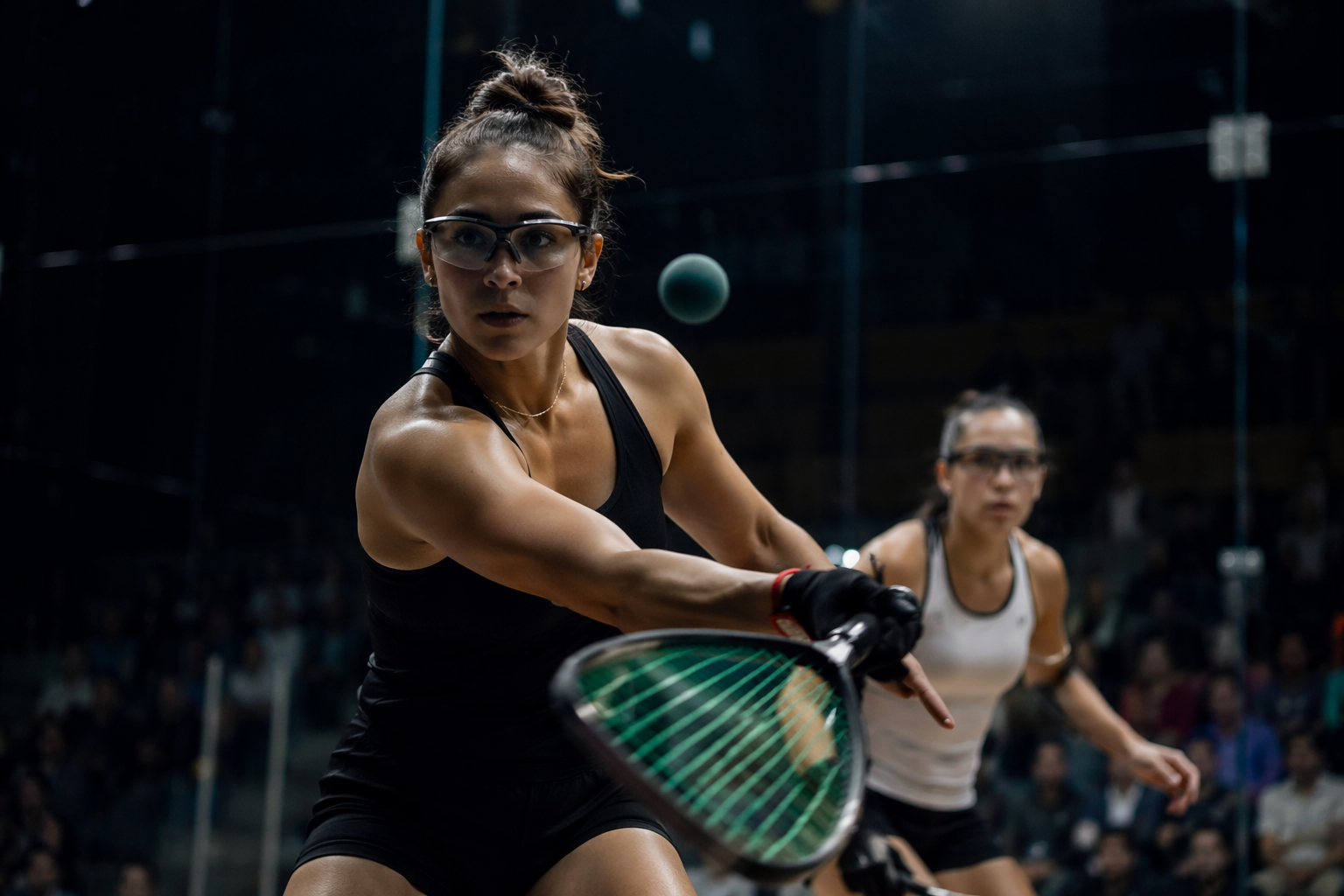
That spine is what lets a sport like racquetball function as a real development ladder in the Americas. Federations do not just show up for a single tournament and disappear. They return to the same continental calendar, the same cross-border opponents, and the same qualifying pressure. The result is a circuit that rewards repeat performance, not one-off luck.
Pan American Games keep the sport visible at the top end
Panam Sports reinforced that stability again on August 7, 2025, when it announced that racquetball would be included in the Lima 2027 Pan American Games sports program. The competition is set for July 23 to 27 at the Regional Sports Village in El Callao, Peru. That confirmation matters because it keeps the sport on the continent’s biggest multi-sport stage and gives players another clear target beyond the championships themselves.
This was not a new battle, either. On December 15, 2020, Panam Sports confirmed racquetball as a full medal sport for the Santiago 2023 Pan American Games. That decision locked racquetball into the 2023 program and preserved its place among the Games’ medal events. The message from Santiago to Lima is consistent: racquetball remains part of the Pan American sports conversation because the federation system keeps proving its relevance.
The same continuity is visible in the archive. PARC’s Pan American Games records for Guadalajara, Toronto, Lima, and Santiago show that the sport’s best players keep cycling through the same continental milestones. Those repeated appearances create familiarity for fans and accountability for athletes, because every major result becomes part of a longer record rather than a one-time headline.
The pipeline runs across age groups and borders
One reason the Pan American model works is that it includes more than just medal chasers at the top of the ladder. The 2026 championships in Guatemala City fold juniors and senior-age doubles into the same event structure that also handles Open competition. That design helps explain how the sport maintains depth from one generation to the next, with younger players moving into the same continental environment that shapes veterans.
The cross-border nature of the calendar is just as important. Racquetball’s world stage has also stayed tied to the Americas, with the International Racquetball Federation noting that the 2024 World Racquetball Championships were held in San Antonio, Texas, and the 2026 edition is scheduled for Temuco, Chile. Add that to the Pan American championships, the Pan American Games, and the regional qualifiers for Santo Domingo and Santa Fe, and the sport’s pathway becomes clear: local results matter because they feed continental relevance, and continental relevance matters because it leads somewhere real.
PARC’s joint presentation of Racket:Next with the Pan American Squash Federation at Santiago 2023 during the Pan American Esports Championships shows that the federation is also looking for newer ways to keep the sport visible. But the core still looks the same. Racquetball in the Americas survives on a dense circuit, repeat matchups, and a qualification structure that turns one event into the setup for the next. That is the pipeline, and it is why the sport still has a coherent future across the hemisphere.