Patrick Reed’s Return: How Leaving LIV Golf Rekindled His Masters Dream
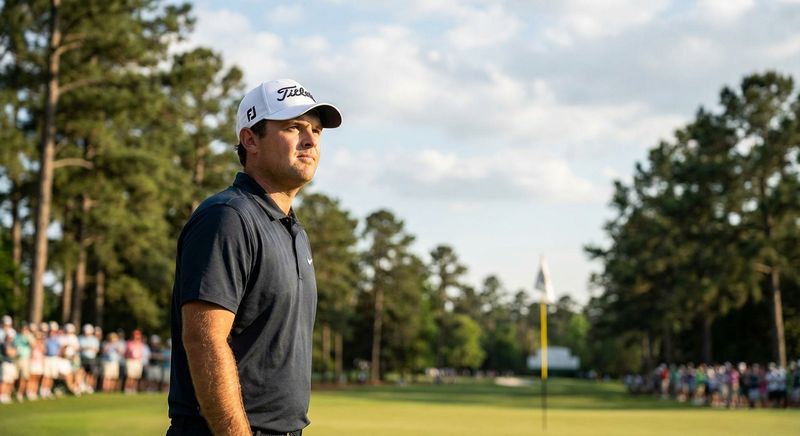
Patrick Reed has reignited his Augusta ambitions, making headlines across the golf world with his decision to leave the controversial LIV Golf league and return to the Masters. Reed’s move marks a pivotal moment in his career, reshaping his path back to one of golf’s most prestigious stages.
Reed, the 2018 Masters champion, had spent recent seasons competing on the Saudi-backed LIV Golf circuit, a choice that put his eligibility for the Masters—and other majors—in jeopardy. His departure from LIV signals not only a shift in his competitive priorities but also underscores the ongoing tension between traditional pro golf institutions and upstart leagues.
- Patrick Reed won the green jacket in 2018, cementing his place among golf’s elite.
- The PGA Tour and Augusta National have wrestled with the eligibility of LIV players, leaving Reed’s Masters future uncertain until now.
- By leaving LIV, Reed cleared a path for his return to the Masters field in 2026.
Reports indicate that Reed’s exit from LIV was fueled by a desire to compete at the highest levels and reclaim opportunities for major championships. The Masters, held annually at Augusta National Golf Club, remains a career-defining tournament for any professional golfer. For Reed, whose reputation has been shaped by his polarizing presence and clutch performances, the chance to return to Augusta represents both a personal and professional milestone.
The broader golf community has been closely watching Reed’s journey. His move comes as the landscape of professional golf continues to shift, with governing bodies grappling with the rise of alternative leagues and the implications for player eligibility in major events. While some stars have remained with LIV for lucrative contracts, Reed’s decision stands out for its focus on legacy and championship aspirations.
As Reed prepares to tee it up at the Masters once more, the golfing world will be watching to see if he can recapture the magic that propelled him to victory in 2018. His return to Augusta is more than just a comeback—it's a statement about the enduring allure of major championships and the tough choices players face in today’s fractured professional golf environment.