Quadball championships trace sport’s rise from Middlebury to national stage
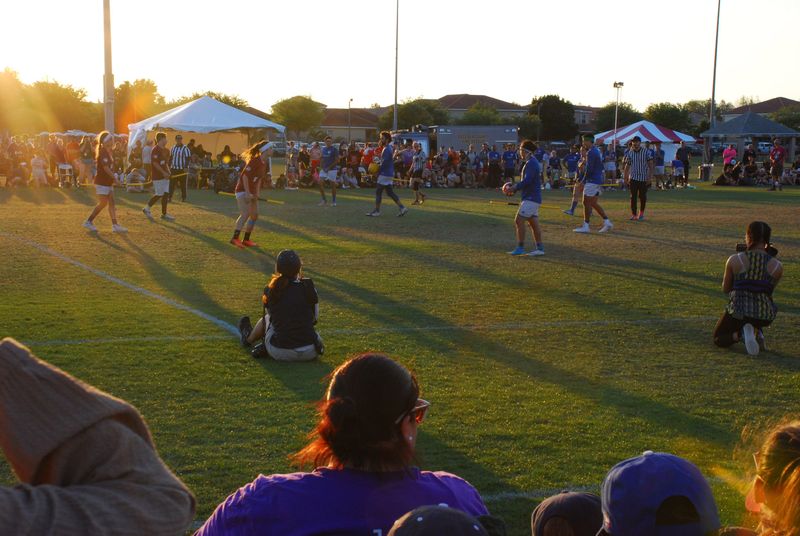
Quadball’s championship trail tells the sport’s American story better than any single season ever could. It starts in a college town, runs through a string of regional stops, and lands in Richmond with a title event that now pulls in four divisions, more than 50 teams and over 1,000 athletes. The route from Middlebury to the modern Cup is not just a list of hosts. It is the clearest record of how a campus-born game became a national competition with real infrastructure behind it.
From Middlebury’s fields to a national championship
US Quadball says the sport was founded in 2005 at Middlebury College by Xander Manshel and Alex Benepe, and the first three U.S. championship tournaments were held there in 2007, 2008 and 2009. That early pattern matters because it shows the championship did not begin in a major sports market or a polished tournament hub. It began exactly where the sport itself began, with the college environment still acting as the game’s center of gravity.
The International Quadball Association’s account of the first World Cup makes the scale of those early years even clearer: 11 U.S. college teams and one team from Canada. That was a small, tightly collegiate field, and it looked nothing like the broad domestic circuit quadball has now. The contrast between those first college-heavy championships and today’s Cup is the cleanest way to understand the sport’s growth.
The championship map widened fast
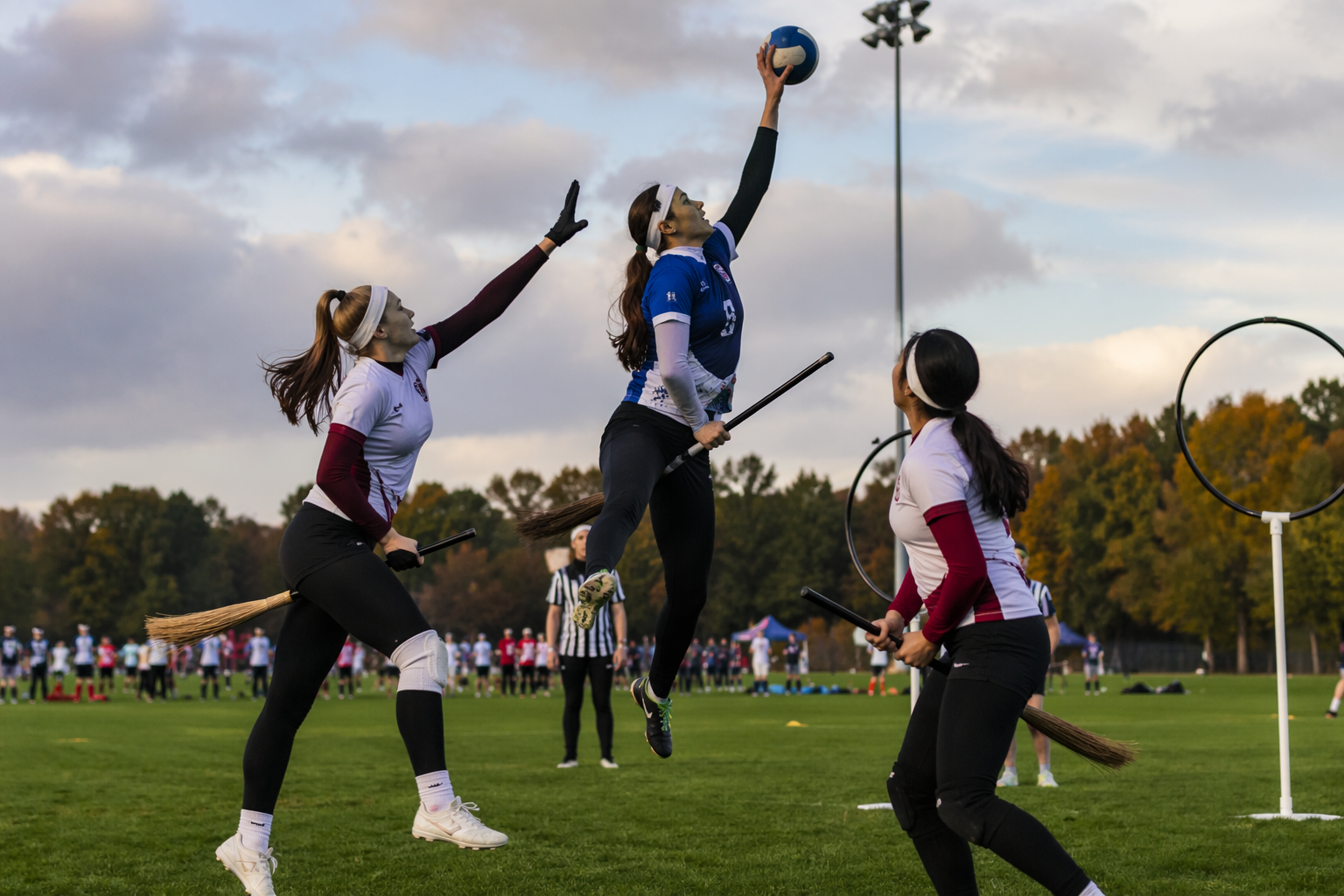
After Middlebury, the national title moved to New York City in 2010 and 2011, a step that signaled the sport was no longer confined to a single campus ecosystem. The event then spread into a different kind of tournament geography, with Kissimmee, Florida hosting in 2013, North Myrtle Beach, South Carolina in 2014 and Rock Hill, South Carolina in 2015. Each move points to a sport learning how to stage a large amateur championship where the facilities, travel access and event logistics made sense.
The list keeps going, and that is the point. Starting in 2016, the championship became the USQ Cup, with Columbia, South Carolina as the first host under the new name. After that came Kissimmee again in 2017, Round Rock, Texas in 2018 and 2019, Charleston, West Virginia in 2020, Salt Lake City in 2021 and 2022, Valley Forge, Pennsylvania in 2023, Round Rock again in 2024 and Richmond, Virginia in 2025. The recurring stops in places like Florida, Texas, Utah and the Mid-Atlantic show a national sport building around tournament-ready cities instead of chasing prestige for its own sake.
What the new Cup looks like now
The present-day US Quadball Cup is a very different operation from the early World Cup years. US Quadball describes it as the sport’s national championship, open to all USQ teams, and says it typically features four divisions, over 50 teams and more than 1,000 athletes each year. That scale changes the job of the host city. Venue choice now has to handle not just symbolism, but fields, schedules, travel and the basic mechanics of running a large multi-division event.
That growth is also visible in the organization itself. US Quadball says it is a 501(c)(3) nonprofit founded in 2010, and that it supports thousands of athletes, coaches and volunteers nationwide. Membership is open to teams and individuals in the United States, which helps explain why the championship trail reads like a domestic map of an organized sport rather than a loose sequence of campus weekends. By the time the Cup reaches a city like Richmond, it is carrying the weight of a national membership network.
Why the name change matters
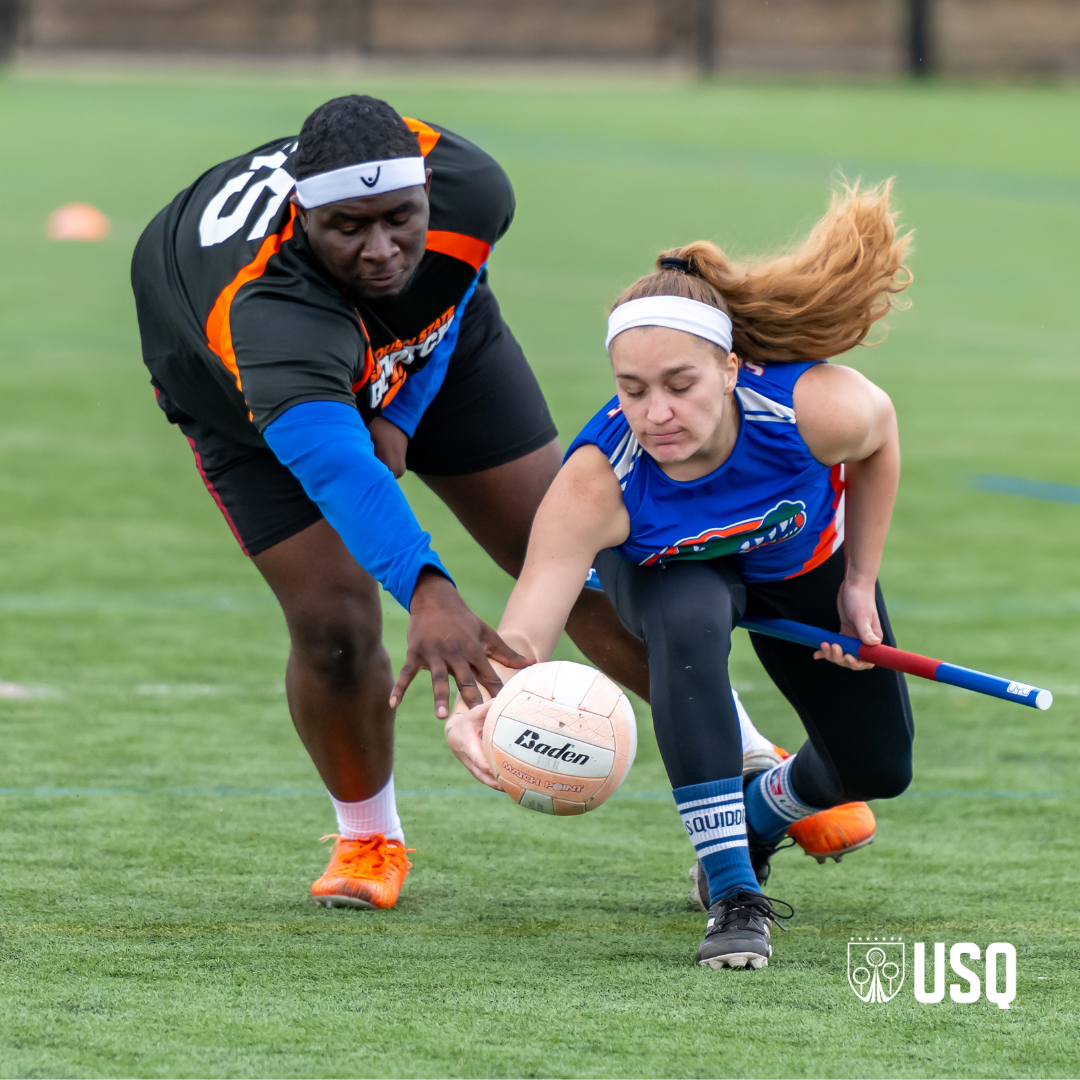
The sport’s identity changed along with its geography. US Quadball said in July 2022 that the sport officially adopted the name quadball, and the International Quadball Association said it would make the same switch worldwide. That move matters because it marks a break from the old Harry Potter-linked branding and fits the sport’s broader push to stand on its own.
The change also lined up the domestic and international sides of the game. US Quadball’s rebrand and the IQA’s global adoption made the name match the sport’s actual footprint: a game played in over 30 countries, with more than 30 official member nations. Once the label changed, the championship trail became easier to read as the path of a real sport with its own institutions, not just a novelty with a borrowed name.
Richmond and the current era
Richmond’s River City Sportsplex is the latest marker in that evolution. By 2025, the championship had become big enough to be promoted through local tourism partners, another sign that the event now depends on professional event support as much as volunteer energy. That is a different world from the first three Middlebury tournaments, and it says as much about quadball’s maturity as any trophy count.
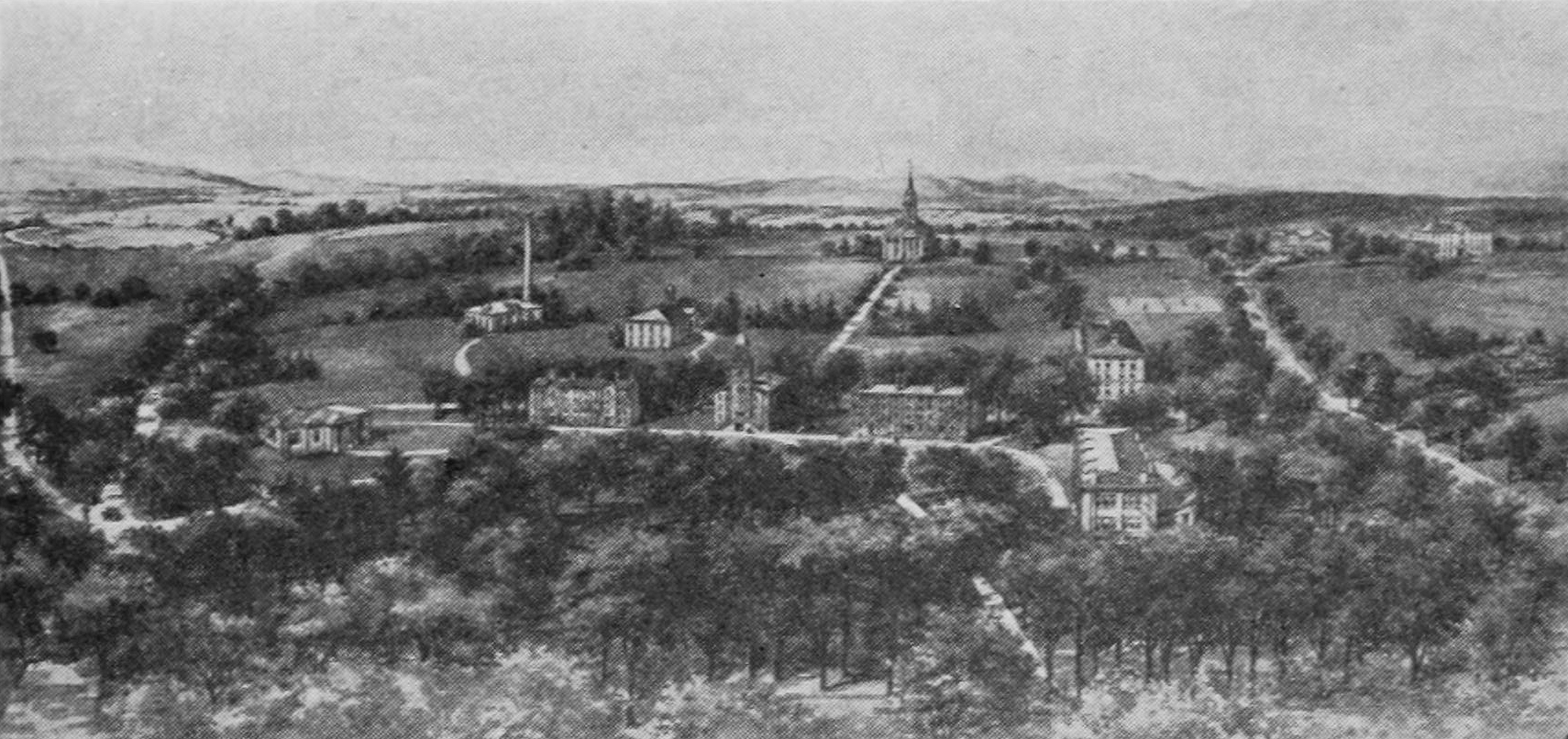
The 2025 Cup recap added another wrinkle: the champions were Creighton QC in College D1, Middlebury Quadball Club in College D2, The Warriors in Competitive and Seattle Sirens in Open. Middlebury showing up again on the winners’ list, more than 15 years after the early Middlebury-era championships, is a sharp reminder that the sport still rewards programs with deep roots. But the field around them is much broader now, with teams from places that would have been far outside the original center of the sport.
A sport that outgrew its first address
The championship trail is the story of quadball’s American evolution in plain view. Middlebury gave the sport its origin, New York gave it an early leap, and the long run through South Carolina, Texas, West Virginia, Utah, Pennsylvania and Virginia shows how the competition spread across the country. The numbers now attached to the Cup, more than 50 teams, four divisions and over 1,000 athletes, make the same argument in harder terms.
Quadball did not just survive its early years. It built a national championship structure sturdy enough to travel, expand and keep drawing the same old names back into the frame while making room for new ones. That is what the route from Middlebury to Richmond really shows: a college experiment turned into a sport with a national stage, a wider base and enough depth to keep growing.
Sources
- [1]usquadball.org
- [2]iqasport.org
- [3]usquadballcup.com