Quadball reaches live national TV for first time on ESPN2
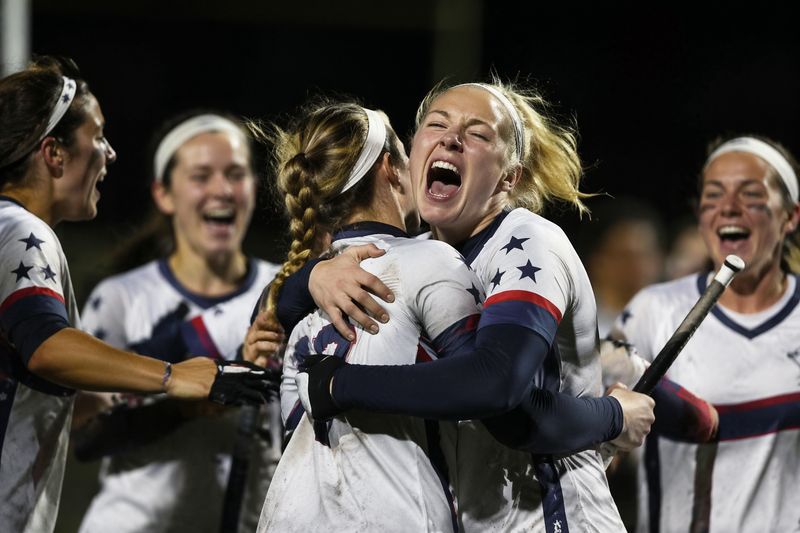
ESPN2 carried quadball live for the first time when the United States National Team met the United States National Team Developmental Academy at noon EST on Friday, Aug. 5, at Manchester Meadows Park in Rock Hill, South Carolina. The matchup, staged on the Visit Howard County Pitch as part of ESPN8: The Ocho, was the first official game played under the new name quadball.
For US Quadball, the broadcast turned a niche showcase into a test of legitimacy. The organization said the sport had previously aired locally on cable in 2015 and reached national television only in tape delay in 2017 and 2018. It had never before been shown live to a national audience in the United States, making the ESPN2 slot a different kind of exposure: not a clipped recap or a novelty package, but a live event with the pace and presentation of a mainstream telecast.
The timing also mattered. The live appearance came just after the sport’s governing bodies announced the move from quidditch to quadball in July 2022, a change meant to distance the game from J.K. Rowling and create more room for sponsorship and broadcast growth. US Quadball later described the rename as part of a broader rebranding across Major League Quadball and the International Quidditch Association, which planned to adopt the new name worldwide.
US Quadball, a 501(c)(3) nonprofit founded in 2010, said it serves collegiate and club teams nationwide. At the time of the announcement, the sport had nearly 600 teams in 40 countries, giving the ESPN2 window a broader frame than a single exhibition. The national team game was presented less as a curiosity than as a public proof point for a sport trying to show it could travel beyond its core audience.
Rock Hill’s role has only grown since then. ESPN8: The Ocho returned to the city in 2025 with Rock Hill again serving as a live-event hub, underscoring how the area has become a reliable stage for obscure-sports coverage. For quadball, the ESPN2 broadcast marked the moment it crossed from tape-delay visibility into live national television, with the sport finally packaged for viewers who had not followed it before.