Quadball's 3-max gender rule shapes strategy and inclusion
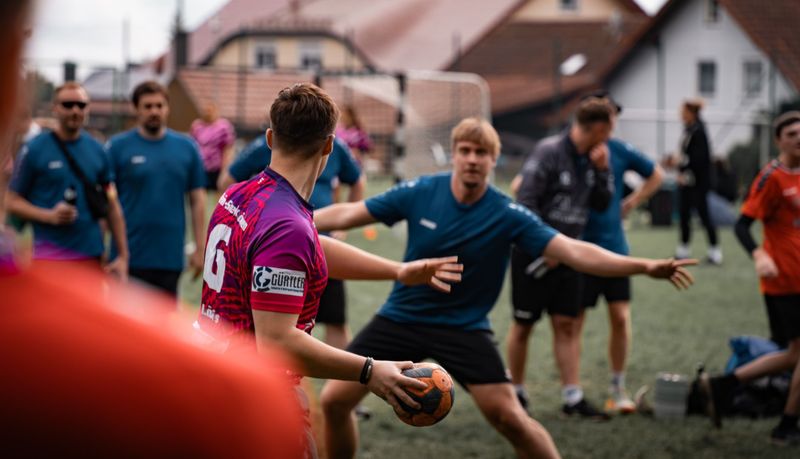
Quadball’s 3-max gender rule is a live tactical constraint, not a line in the fine print. During the first 20 minutes and any overtime, no team may put more than three players of the same gender on the pitch, so every lineup, swap, and late-game adjustment has to respect a hard cap.
How the 3-max rule works in real play
The International Quadball Association moved the policy to the international level on September 25, 2023, and described it as a “historic change to the sport.” The association said the shift followed an “overwhelming show of support” from members, which matters because this was not framed as a branding update. It was a rules change that affects who can be on the field together when the game is most in motion.
The mechanics are simple and ruthless. Quadball remains a mixed-gender sport, but the pitch is not open to any combination of players in those opening 20 minutes or in overtime. If a side already has three players of one gender on the field, the next substitution has to preserve that ceiling, which means coaches cannot treat gender balance as a background eligibility issue. It is part of the rotation chart.
For captains and coaches, that changes the way a bench is built from the start.
• A starting group has to be constructed with the 3-max ceiling in mind, not patched around it after the whistle.
• Substitutions have to maintain the cap at every moment in the no-seeker portions of the match.
• Depth across genders matters because a team that is thin on one side of the roster can lose flexibility when fatigue, matchups, or foul trouble force a change.
That is why the rule is more than symbolic. It influences who can be paired together on defense, how a team survives a long opening run, and whether a coach can make a stamina-based switch without breaking the gender balance on the pitch. In a sport where one bad swap can change the structure of a line, the 3-max rule forces roster planning to be both athletic and administrative.
Why the move from 4-max to 3-max mattered
The IQA’s 2023 survey report gives the background that makes the policy legible. It said the sport had used a “4-Max gender rule,” meaning no more than four individuals of the same gender could be on pitch at any time. The proposed move to 3-max reduced that maximum to three, with the stated goal of promoting inclusivity and gender equality on pitch.

That shift did not emerge overnight. The survey report said there had been community support since 2019 to introduce the unofficially named 3-Max gender rule, but COVID-19 disrupted implementation. That timeline matters because it shows the sport spent years moving from idea to adoption, with the pandemic interrupting a policy process rather than creating it. By the time the IQA announced the change in 2023, the debate had already been active across multiple seasons of play.
The language in the survey report also makes clear why this was a governance issue, not a slogan. Inclusivity and gender equality are described as being “at the heart of quadball,” and the report connected that principle to the practical step of lowering the on-pitch maximum from four to three. In other words, the sport did not treat inclusion as something separate from competition. It treated the lineup itself as the place where inclusion had to be enforced.
Why the 2023 survey was a legitimacy check
The detailed “Gender Representation in Quadball Survey: Results and Exemption Recommendations” released on December 17, 2023, is the key document for understanding how quadball reviews its own policy. The IQA did not simply announce a rule and move on. It gathered community input, published results, and paired them with exemption recommendations, which turned the conversation into a formal review of how the rule functions in real competition.
That is the legitimacy check. A survey like this does not exist only to register approval. It tests whether a policy that sounds inclusive on paper also works across different player experiences, including trans and non-binary athletes, and whether the governing body needs to build in exceptions to keep the rule practical. The result is a policy that is reviewed, not merely declared.
The September announcement and the December release work together. The first established the international policy change. The second showed the sport how to operationalize it through survey results and exemption guidance. That sequence tells players and captains something important: inclusion policy in quadball is not a static statement, but an active part of governance that gets measured against how the game is actually played.
Why exemptions matter across competitions
Quadball Europe added another layer of context when it noted exceptions for EQC2024 after the IQA’s September 25 announcement. That detail shows the 3-max rule was being applied alongside competition-specific carveouts rather than as a single one-size-fits-all switch. For teams, that means tournament rules can differ even when the international standard is clear.
The broader organizational picture helps explain why. The IQA describes quadball as a mixed-gender, full-contact sport played around the world, and says it has grown since its inaugural match in 2005 to thousands of players in more than 40 countries. A sport that spread that quickly needs rules that can travel across different leagues, age groups, and tournament formats without losing their core purpose. Exemptions are part of that machinery.
That is why the 3-max rule sits at the center of quadball’s identity. It shapes the first 20 minutes, governs overtime, forces coaches to think about gender balance as a tactical decision, and pushes the IQA to test its own values through surveys, recommendations, and exceptions. In quadball, inclusion is not just declared at the board level. It is operationalized on the pitch.