Quadball’s global growth depends on volunteers behind the scenes

Quadball can look like pure chaos, but the sport runs on a quieter engine: volunteers the International Quadball Association calls the “lifeblood” of the organization. They translate rulebooks, manage the technology stack, organize flagship tournaments, handle legal and operations work, and build the officiating tools that keep games consistent across borders. In a sport that has grown from its inaugural match in 2005 to thousands of players in more than 40 countries, that hidden labor is the difference between a local club game and a credible international competition.
The organizational spine behind the game
The IQA describes itself as a 501(c)(3) nonprofit dedicated to governing quadball, and it was founded in 2010. It also says it annually hosts or sanctions around 25 events, including nine regional championships and the World Cup, which gives the organization a tournament calendar that looks far bigger than the sport’s niche reputation. That schedule does not run itself: the association says its four departments are overseen by managers and directors who report to the Executive Director and work with the Board of Trustees.
That structure matters because quadball’s growth is not just about athletes showing up and playing hard. The Events team is responsible for the smooth running of the World Cup and Continental Games, and it also scouts future locations for events. Continental Games are staged every other year on the opposite year to the World Cup, so the event cycle has to stay synchronized across multiple continents, languages, and competitive levels.
Why translation is competitive infrastructure
The clearest sign that quadball’s back office is doing real sporting work is the IQA’s rulebook and translation pipeline. The association’s rulebook page lists the current rulebook as the 2024 edition and links translations in German and French, which tells you immediately that language access is treated as part of competition, not a side project. When a sport spans over 40 countries, a rulebook that lives in one language is not enough.
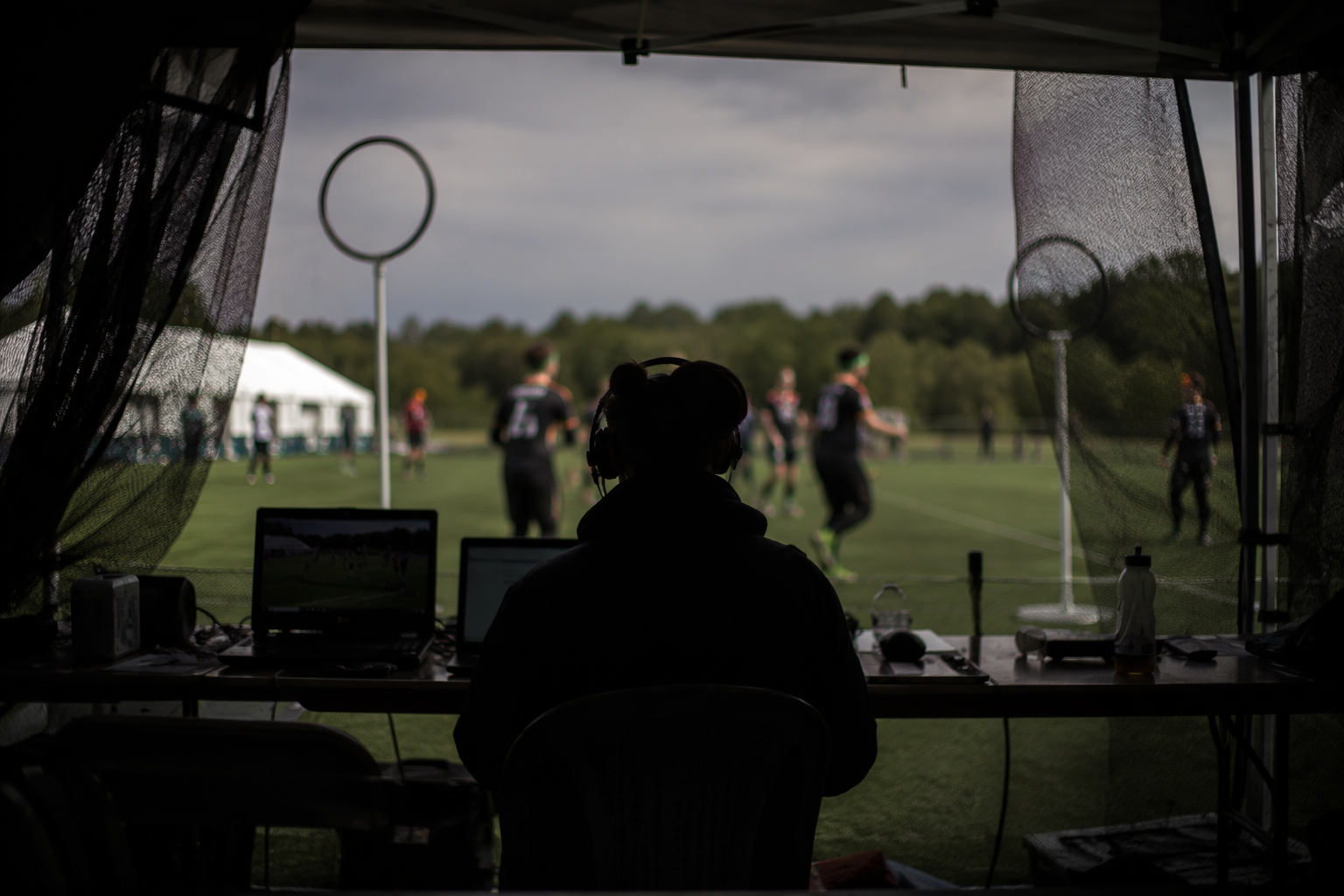
That multilingual work has been visible for years. On October 4, 2021, the IQA said translated tests were available for the 2020 rulebook in Brazilian Portuguese and Spanish, including tests for Assistant and Snitch Referee positions, plus Timekeeper and Scorekeeper roles. On August 18, 2024, the association released the 2024 rulebook and said there had been many delays, a reminder that even the most basic governance documents can become bottlenecks if they are not maintained with care. In quadball, translation is not cosmetic. It is how officials, scorekeepers, and players in different countries compete under the same standards.
Officiating is a pipeline, not a badge
The officiating side of the sport shows how much institutional memory quadball needs just to keep the whistle credible. On February 10, 2023, the IQA announced rules tests for the 2022-23 rulebook and said recertification tests would now allow only one attempt. That kind of detail sounds small, but it tells you the association is treating officiating like a credentialed pipeline, not a casual volunteer role.
The volunteer listings make the labor reality even more concrete. A Rules Team Member role is listed as remote, entry-level, and requiring about 3 to 5 hours per week. That is not full-time staff work, but it is specialized work that still has to be done consistently if the rulebook, tests, and referee resources are going to stay aligned. The IQA also says its volunteers support officiating resources, which is how a referee in one country can work from the same standards as a crew thousands of miles away.
What the 2025 World Cup required behind the scenes
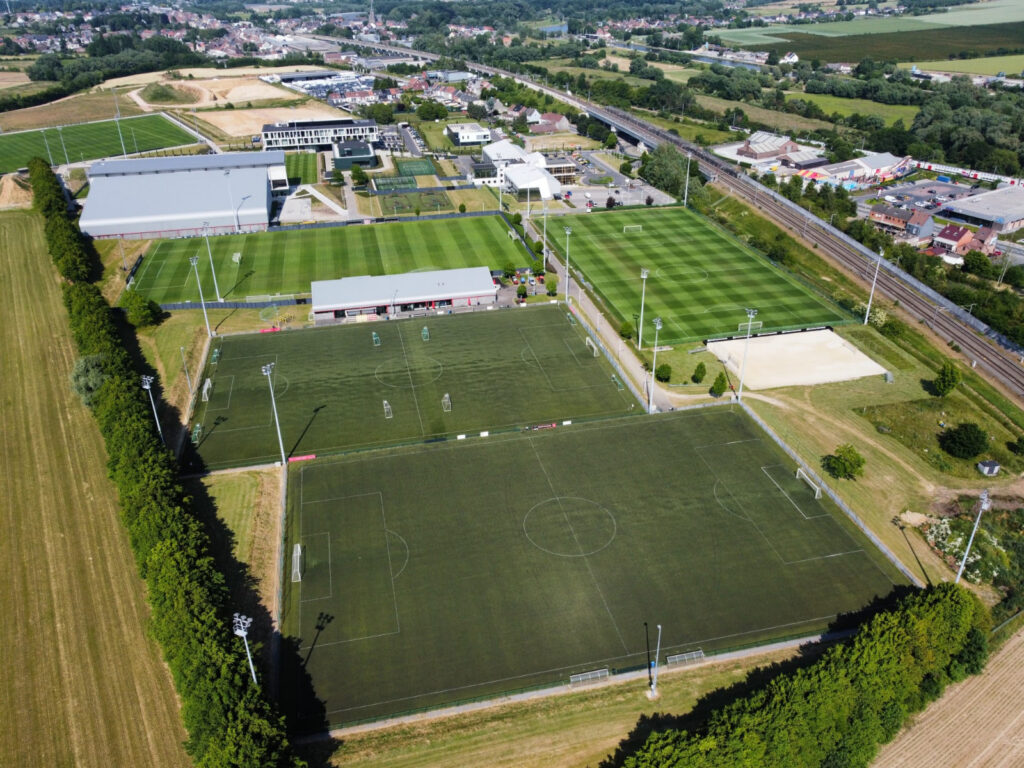
The October 15, 2024 announcement of the 2025 World Cup in Brussels and at Proximus Basecamp in Tubize, Belgium, on July 11-13, 2025, shows the scale of the logistics problem in one snapshot. The IQA and the Belgian Quadball Federation teamed up on the event, and the IQA describes the World Cup as the premier international quadball event. Hosting that kind of tournament is not just about fields and fixtures. It requires transport planning, venue coordination, staffing, language support, and enough operational discipline to make sure players from different countries can actually arrive, check in, and compete.
The World Cup sits at the top of a larger calendar built to keep the sport connected between editions. Continental Games fill the alternate year, and the Events team is tasked with both running those tournaments and scouting future sites. That means the volunteer structure is not only preserving one championship, it is continuously building the next one.
The paperwork that keeps the sport open
Quadball’s documents and policies page is another clue that the organization has grown beyond an informal volunteer circle. It directs questions to an operations email address, which is exactly the sort of practical detail that keeps a federation functional when rules, eligibility, and event planning start crossing borders. The IQA’s 2024 annual report table of contents reinforces that picture, with dedicated sections for Events, Membership & Gameplay, Communications, Operations, Trustees, Acknowledgements, Directors, Volunteers, and FAQ.
That is the hidden infrastructure story in full. Quadball’s global reach depends on the athletes on the pitch, but it is held together by the people who translate the rulebook, recertify the officials, coordinate the tournaments, and keep the organization legally and operationally sound. The sport has outgrown the idea that volunteers are just extra hands, because in quadball they are the system that makes the game possible.
Sources
- [1]iqasport.org
- [2]linkedin.com