Racquetball federation map shows 73 national bodies across five continents
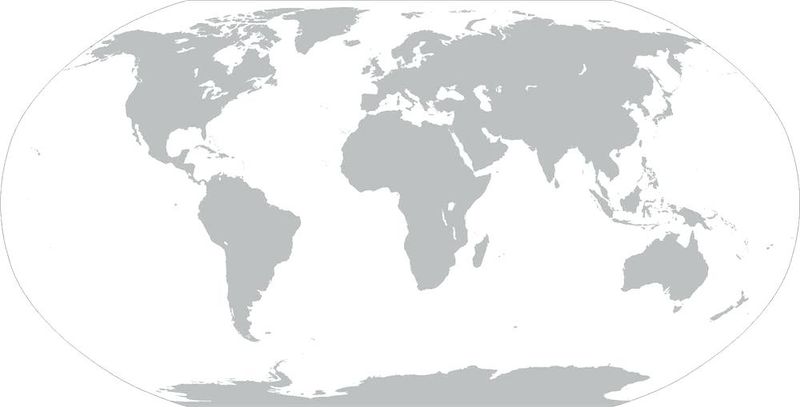
Racquetball’s strongest asset is not a single star but a federation map that reaches 73 national bodies across five continental bodies. The International Racquetball Federation governs internationally sanctioned events, and that network has kept the sport’s rules, tournaments and player pathways moving even as racquetball slipped from everyday mainstream attention in the United States.
The map is wide enough to matter. IRF member federations stretch through Central America and the Caribbean, South America, North America, Europe, Oceania, Asia and Africa, giving the sport a structure that starts at the national level and climbs through continental bodies into an international calendar. That matters in racquetball because a player’s route to bigger stages still depends on the same institutional ladder: local clubs, national federations, continental competition and then the global events that confer legitimacy.

ARISF lists the IRF as founded in 1979, which places the federation’s governing role squarely inside the modern era of international sport administration. Its competition ladder includes the IRF World Championships, Junior World Championships, The World Games, the Pan American Games and several regional games in the Olympic chain. That is more than a schedule. It is the mechanism that keeps juniors attached to the sport and gives national programs a reason to keep funding teams, referees and events even when the sport is not driving U.S. television conversation.
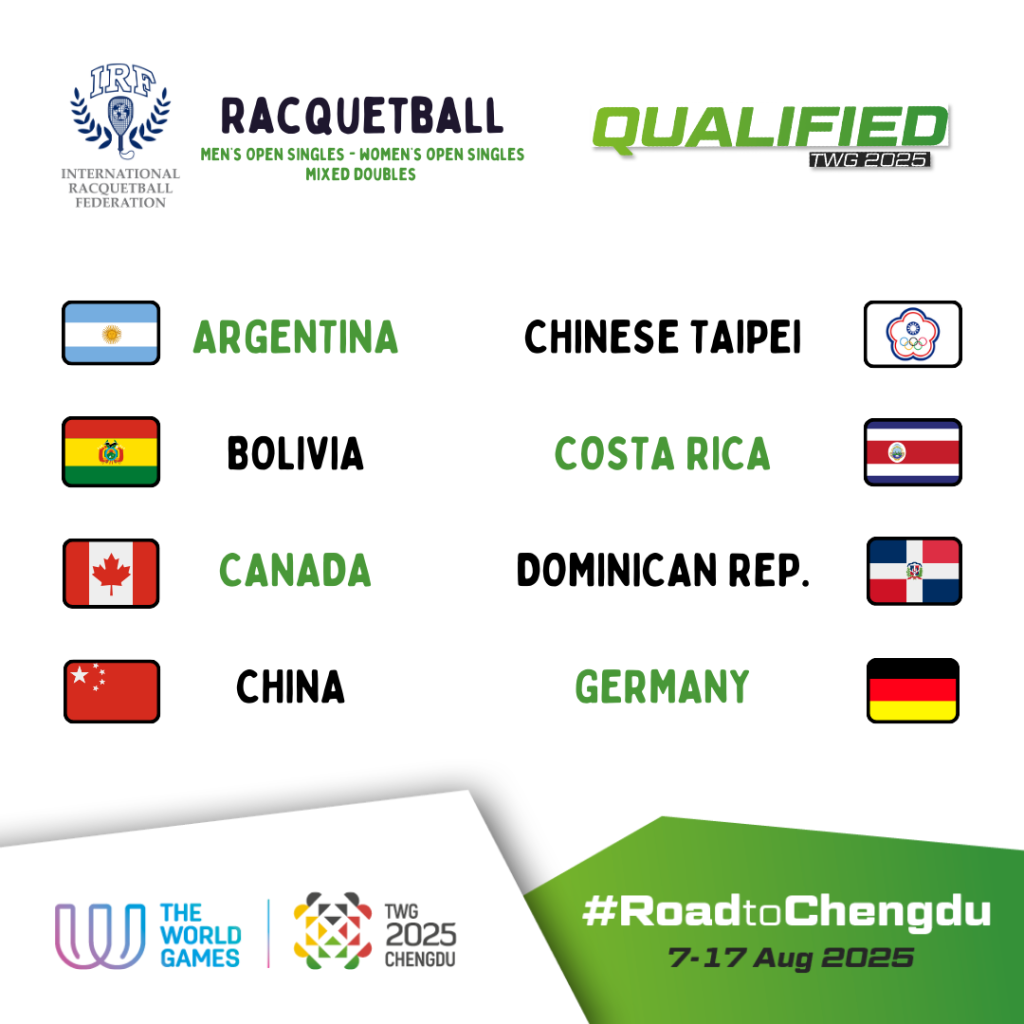
Olympics.com also identifies the IRF as a recognized international federation, a marker that matters in a sport where cross-border legitimacy is part of survival. The federation’s scope now covers indoor, outdoor and eSports disciplines, a sign that racquetball’s governing body has tried to widen its footprint without abandoning the core game. In practical terms, that means the sport still has a formal pathway for athletes, a sanctioned event structure for organizers and a global registry of member federations that can connect one country’s players to another country’s championship circuit.
For racquetball, that institutional web has done the work of preservation. It has kept tournaments on the calendar, rules aligned across borders and junior development tied to a world system that still exists. Whether the sport turns that stability into a real comeback will depend on how much energy those 73 national bodies can put back into the courts.