Racquetball grows in India as federation builds new pathways
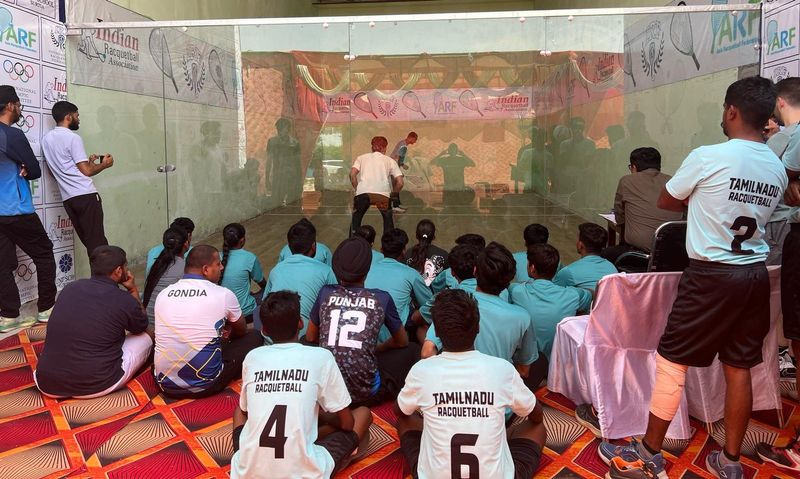
India’s racquetball story is no longer about a few isolated courts and a curious niche sport. The International Racquetball Federation put that shift on the record in its March 24, 2025 piece, and it matters because the IRF is the governing body for all internationally sanctioned racquetball events. When a national federation can point to courts, coaching, and qualification routes inside that system, the sport stops being a hobby and starts looking like a pipeline.
Federation backing is the difference between interest and infrastructure
The IRF filed “Racquetball Growing in India” under its Asia Racquetball category, and it was written from Alok Mehta, identified there as president of the Racquetball Association of India. That setup is the signal here: this was not a casual note from a fan page, but a federation-to-federation statement about how the sport is being organized in India. The IRF’s own about page adds the bigger frame, saying racquetball was developed in the early 1960s as an alternate workout for tennis players during winter, then grew into a sport that now depends on formal international sanctioning.
That distinction matters because racquetball does not spread by accident. It needs courts that exist, coaches who can teach the rules cleanly, junior players who have a first ladder to climb, and a national body that can connect all of that to the international calendar. India’s case shows what happens when those pieces start to line up: the sport becomes less about enthusiasm in one city and more about whether a country can build an organized pathway from beginner to national team.
Courts are the first test, and India has started to answer it
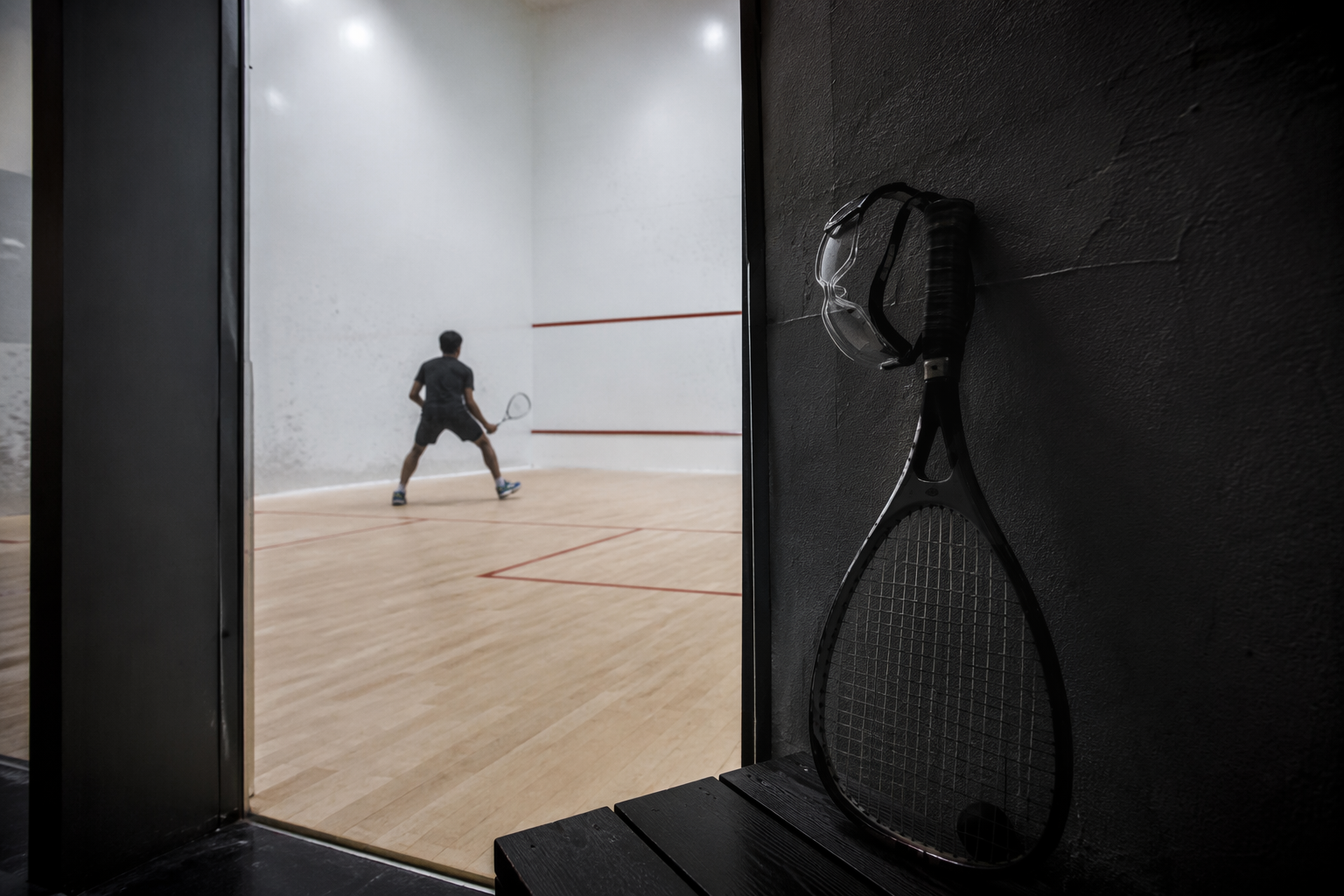
Growth looks abstract until you count the places where people can actually play. A separate Alok Mehta post surfaced in search results saying the Indian Racquetball Association had built two courts and had five more underway, which is exactly the kind of early-stage number that tells you whether a sport is rooting itself or just talking big. Two courts will not transform a country the size of India, but they do prove something essential: the federation has moved from announcement mode into facility-building mode.
That is why the Indian and regional structure matters so much. The IRF site includes an Asian Racquetball Federation calendar and information showing India inside a broader development system, not off on its own. For a country still laying foundations, that regional scaffolding matters as much as the courts themselves because it gives players and organizers a way to plug into sanctioned events, common standards, and a schedule that rewards staying in the sport long enough to improve.
Temuco is the real proof that the pathway exists
The cleanest sign that India’s growth is becoming competitive is the team sheet. The Indian Racquetball Association site said six elite athletes officially qualified to represent India at the 2026 Racquetball World Championships in Temuco, Chile, and another IRF search result said India had announced the qualified team for the World Championship in Temuco. That is the difference between isolated development and a functioning national program: there are now Indian players with a route all the way to the world stage.
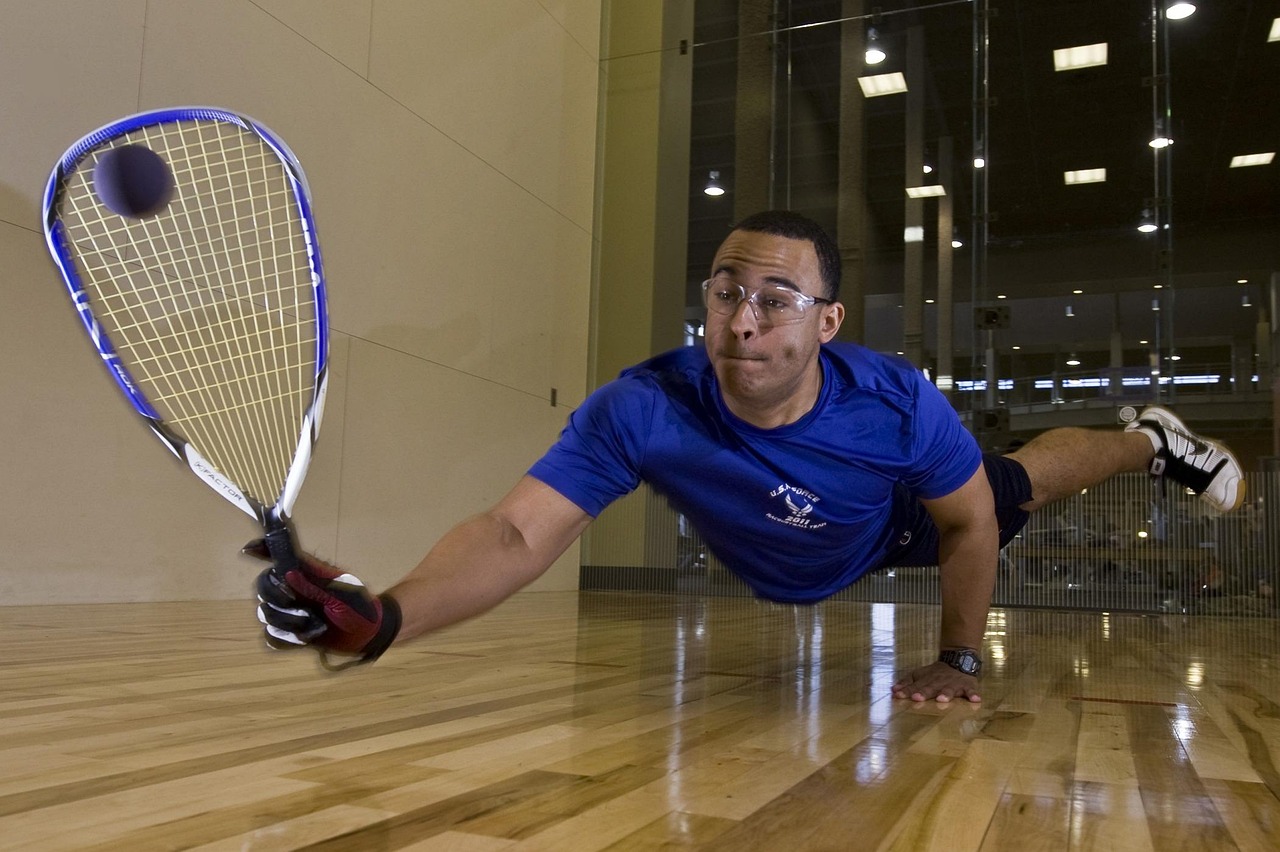
The calendar matters just as much as the roster. An IRF future-events page lists the Asian Racquetball Calendar for Season 2026, and another IRF result says racquetball was confirmed on the Lima 2027 sports program. Put those together and India’s progress is not just a one-off burst of attention. It is being built against a real competition structure that includes regional events, world championships, and a confirmed place on the Lima 2027 program.
Alok Mehta gives the project credibility on and off the court
Mehta is not just an administrator talking about growth in the abstract. A 2017 Pan American Racquetball Federation release said he became one of the oldest players to qualify and compete at an IRF World Championship at age 49. The same release identified him as India’s captain and said he won Player of the Year. That background matters because the sport’s development in India is being led by someone who has actually lived the international pathway he is now trying to widen for others.
That combination of athlete and organizer is useful in a country still building its racquetball identity. Leaders who have competed at the top level tend to understand the bottlenecks that matter most, from court time to sanctioned competition to how players get from a local facility to a national selection event. In India’s case, Mehta’s profile helps explain why the federation-led push looks more structured than symbolic.
Why India matters to racquetball’s future
Racquetball has always been strongest where it has structure, and India is becoming a case study in how that structure gets built outside North America. The sport’s long-term health depends on national federations that can unlock recognition, funding, coaching standards, tournaments, and court access, not just social-media interest or occasional exhibition play. India now has the beginnings of that chain: a national federation identity, a small but real court base, athletes qualified for Temuco, and links to the IRF’s regional and international calendar.
That is the part worth watching. The sport does not need one country to dominate its future, but it does need new countries to make the leap from scattered interest to organized competition. India is showing how that leap happens: one court, then another, then a federation, then qualifiers, then a team with somewhere concrete to go.