Racquetball players weigh string choices for power, control and durability
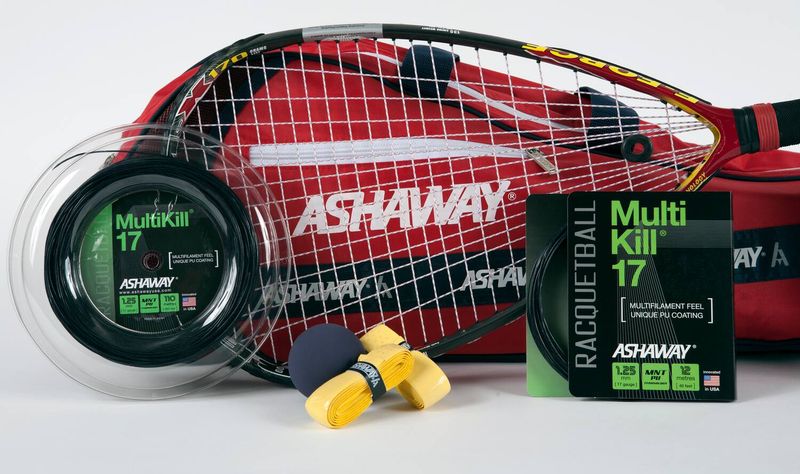
On a small, fast racquetball court with a lively ball, changing strings can alter every serve, pass and pinch shot without swapping frames. Steve Crandall drew that contrast in USA Racquetball: changing the racquet is bold and potentially risky, while trying a different string is a more approachable adjustment.
Why the string bed matters so much
Racquetball punishes indecision because the ball comes back quickly and the front wall keeps rallies alive even after a hard swing. That makes the string bed part of the shot, not just a piece of hardware wrapped around the frame. Ashaway publishes racquetball-specific tips, and manufacturers treat the sport differently from generic racket advice because repeated hard drives and touch shots demand both response and consistency.
That is also why players keep coming back to the same practical question: do you want more pop, more bite, or a setup that stays trustworthy through league nights and tournaments? A string that feels great for one session but drops off quickly becomes a liability, especially when you rely on the racquet to do more than simply return the ball.
Material is the first dial

Ashaway’s racquetball catalogue organizes options by playability rating, durability rating, gauge, construction, recommended player type, colors and special features. Material and build are doing real work behind the scenes.
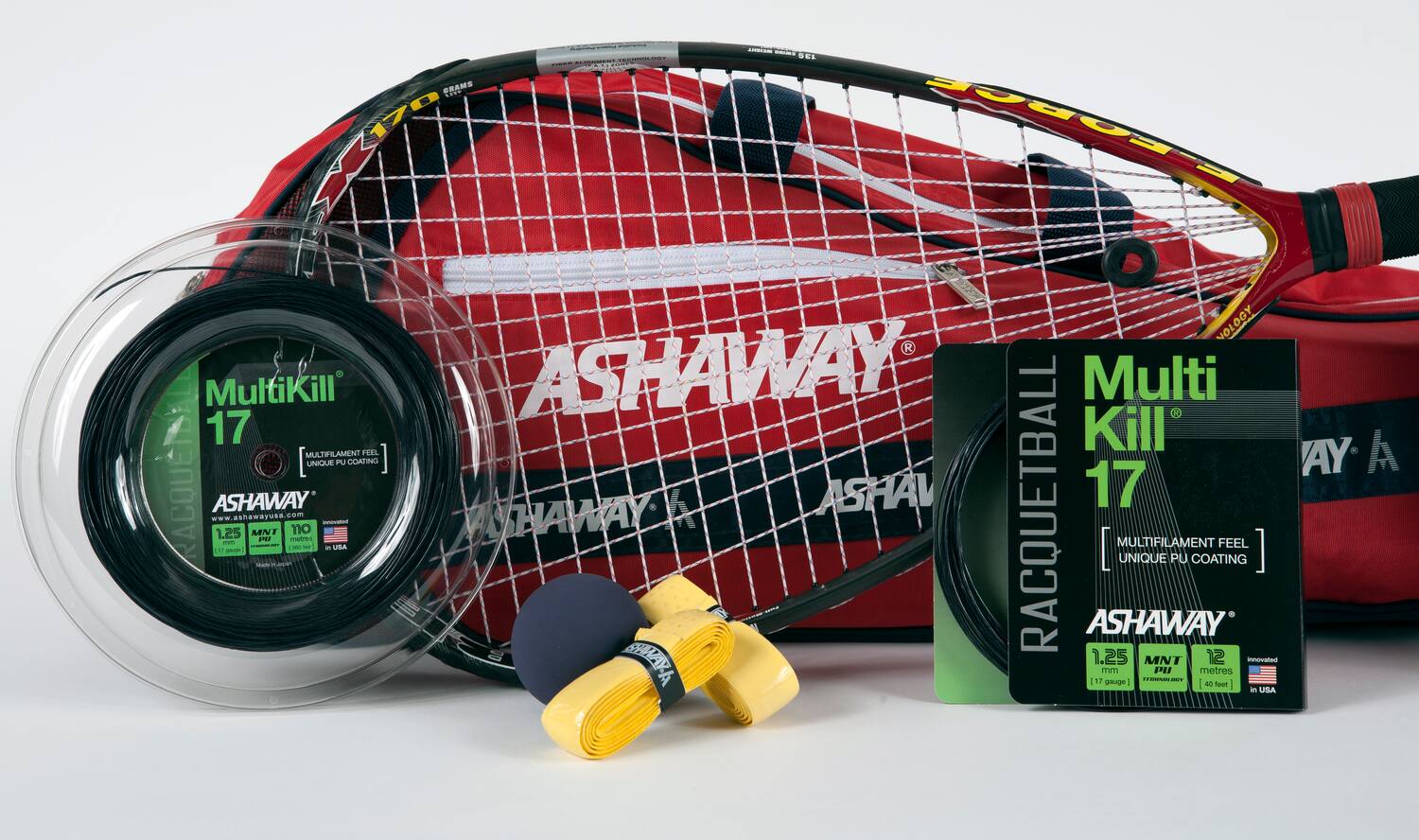
One string is a polyurethane-based, multifilament nylon string designed to add toughness and durability for players who like to really cut and spin the ball. That kind of construction is the clearest reminder that racquetball strings can be built for different identities: some aim to be livelier and more responsive, while others are tuned to stand up to abrasion and heavy use.
Gauge and tension do the heavy lifting
Once you narrow the material, gauge and tension shape the final result. Racquetball stringing guidance commonly lands in the 30 to 40 pound range. One guide puts the average at 33 pounds, and another calls 30 to 34 pounds optimal. Older RacquetWorld advice stretched the range much wider, from 25 to 60 pounds, and noted that the recommended spread had grown by 35 pounds, or 140 percent.
Gauge is the other half of the equation. A thinner string typically gives a crisper, more responsive bed and better feel on touch shots, while a thicker gauge usually lasts longer and resists breakage better. Tension works just as directly: lower tension usually gives more power and a softer response, while higher tension tends to firm up the bed and sharpen control.
Match the setup to the player, not the label
The smartest way to shop string is to start with your game and your budget, then work backward from there. The same material, gauge and tension that feel perfect for a tournament player can be wasted on a beginner, and the toughest setup in the world is no bargain if it plays dead before the next weekend.
• Beginners: stay near the middle of the common range, around 30 to 34 pounds, and choose a setup with balanced playability rather than chasing extremes. Ashaway’s player-type labels are useful here because they keep comfort and usability first.
• Frequent breakers: prioritize durability and consider a sturdier construction or thicker gauge. If you hit hard and string wear is the issue, a more durable bed can save money and keep the racquet predictable deeper into the season.
• Tournament players: pay attention to consistency and tension retention. If you rely on sharp passing shots and controlled touch, you want a stringer who can hit a specific target tension and keep the setup repeatable from restring to restring.
Talk to the stringer in racquetball terms
A useful string conversation starts with how you hit, not with a single number. Say whether you want more pop on the serve, more bite on touch shots, or a longer-lasting setup for daily play, and then give the stringer your preferred tension range. That matters even more on racquets such as E-Force or Wilson models with strings that run through or along the handle, where the frame design itself affects how the job is done.
Recommended tensions span far more than the mid-30s; older guidance listed a 25 to 60 pound range.