Racquetball world championships anchor the sport’s international competition ladder
Racquetball’s international ladder is easier to read when you separate the sport’s pure championship events from its multi-sport showcases. The International Racquetball Federation runs its own tournaments and also places racquetball inside larger sporting events, which gives the calendar a clear structure from youth development to elite national-team play to veteran competition.
World championships: the flagship benchmark
The World Championships sit at the top of that structure because they are the sport’s highest global test. The IRF’s World Championships page lists San Antonio, USA, as the 2024 host and San Luis Potosi, Mexico, as the 2022 host, while a 2024 Pro Racquetball Stats preview described the San Antonio event as the 22nd ever World Championships. That sequence shows how established the title has become: the first IRF, then IARF, World Championships were held in 1981, and full teams from six countries were there for the opening edition.
For fans, that history matters because it explains what the event measures. World Championships are not open-entry showcases; they are national-team contests that reveal how strong a country’s program really is when it meets the widest field in the sport. The IRF rules and formats document makes the format even clearer: entries for World Championships are accepted only from affiliated federations, not from individual players, and the federations must be established IRF members with dues paid.
Why the title carries so much weight
That structure is what separates a World Championships medal from success in a smaller pro or club event. It reflects federation depth, coaching, junior development, and the ability to assemble a full squad that can travel and compete under one national banner. When a country reaches the podium here, it is usually a sign that the program is built to survive beyond one standout player or one strong season.
Junior worlds: the pipeline to the elite level
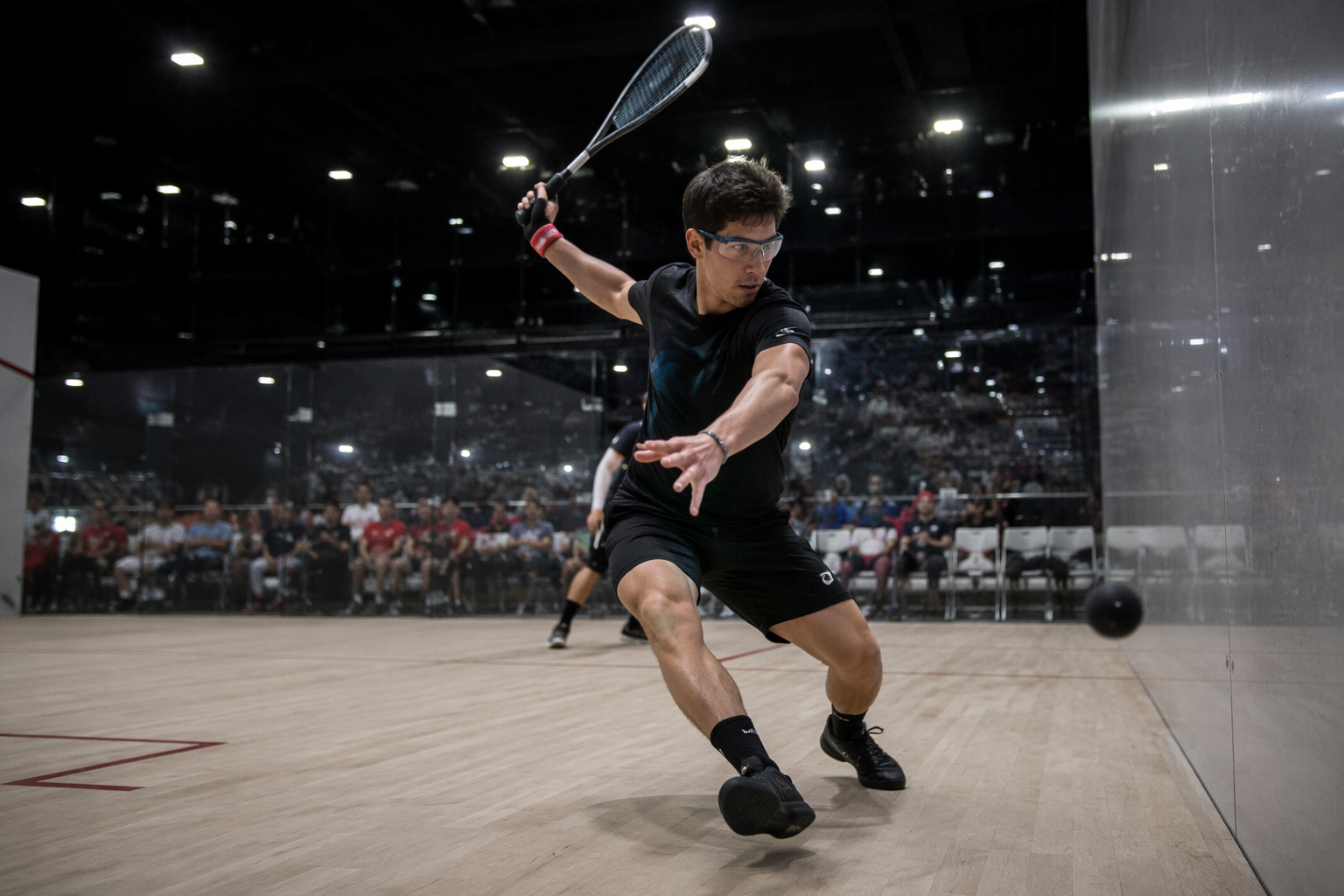
Junior World Championships are the clearest view of racquetball’s next generation. The IRF lists the 2025 edition in Santo Domingo, Dominican Republic, and earlier editions in Guatemala in 2024 and Guatemala City, Guatemala, in 2022, which shows that the age-group championship has become a recurring international stop rather than a one-off showcase.
The point of Junior Worlds is development with pressure attached. Young players get international court time, learn how their game translates against different styles, and arrive at the senior level having already played for something bigger than a domestic title. The event also helps national federations identify who is ready to move from prospect to core player, which is why the same federation-based entry system matters here too: the IRF says junior entries, like World Championships entries, come through affiliated federations rather than individual sign-ups.
Why fans should watch the junior bracket closely
If World Championships tell you which country has the strongest current program, Junior Worlds show where the next wave is coming from. They are the sport’s scouting report, but with medals on the line. A player who handles Santo Domingo in 2025, or who already has international reps from Guatemala City and Guatemala, has usually taken the first real step toward a senior team role.
Senior worlds: the veteran lane that keeps the sport broad
Senior World Championships fill a different but equally important role. The IRF’s Senior World Championships page lists editions in Albuquerque, New Mexico, USA, in 2017 and 2016, and that alone tells you something about racquetball’s competitive range: the sport is not only for teenagers and 20-somethings chasing the next breakthrough.
Senior Worlds show how racquetball can remain intense, technical, and nationally organized well beyond the youth pipeline. They matter to players who built their games over decades, but they also matter to the wider sport because they keep experienced athletes inside the federation system and in international competition. That continuity is part of how racquetball maintains depth between youth development and elite national-team play.
The World Games: racquetball’s broader stage
Beyond IRF-run championship events, racquetball also appears inside larger multi-sport festivals, and that exposure has its own value. The International World Games Association says racquetball has been a member federation since 1982, and the sport was part of the first World Games in 1981 at Santa Clara, California. That early placement gave racquetball a stage outside its own ecosystem and helped present it as an international sport with enough speed and structure to fit a global showcase.
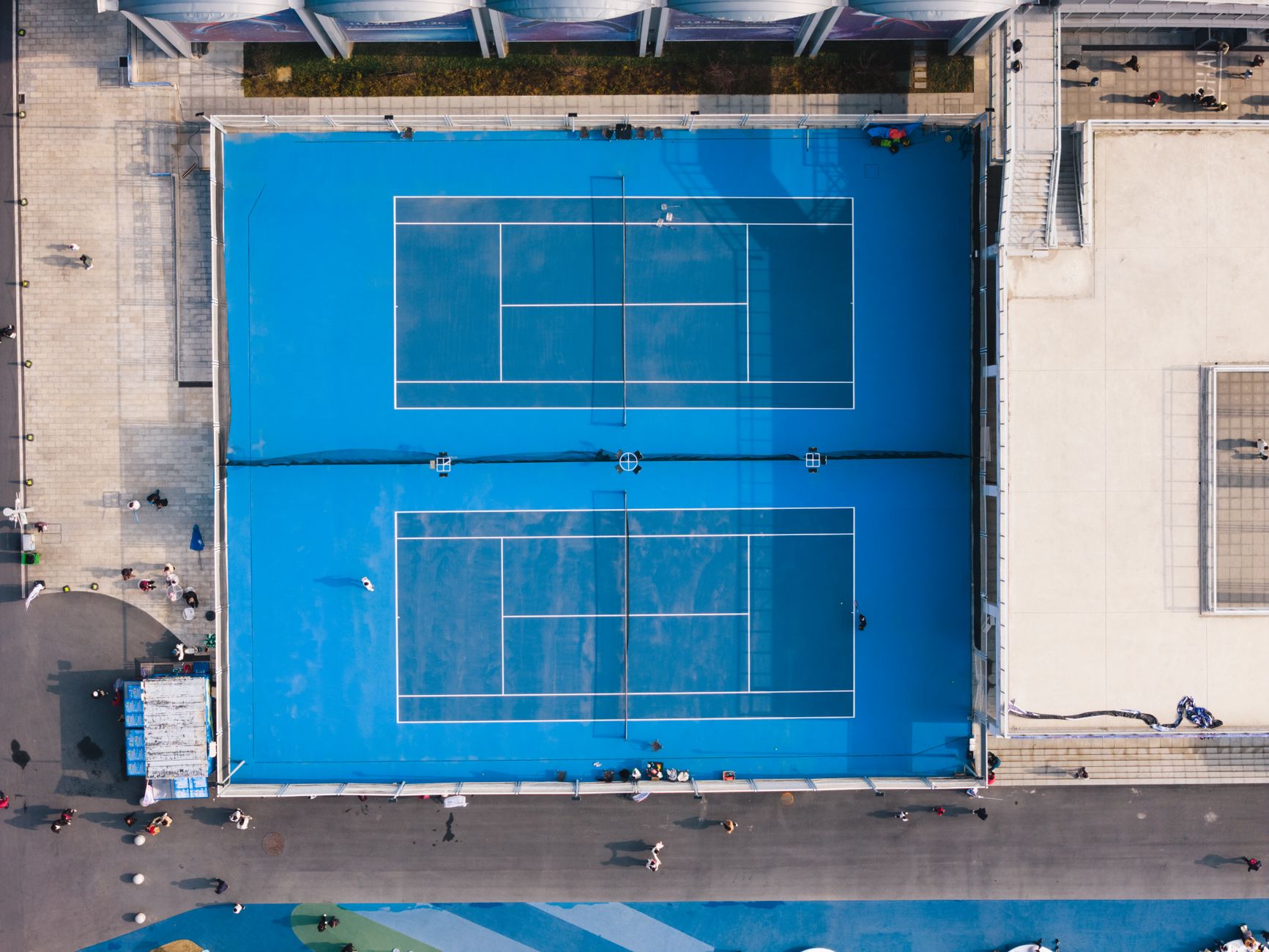
The sport’s return to The World Games programme in 2018 was another reminder of how visibility can swing with inclusion in these events. For 2025 in Chengdu, China, racquetball was scheduled for August 13-17 at the Hi-Tech Zone Sports Centre. Those details matter because The World Games often reaches audiences that have never seen a standalone racquetball championship, and the sport’s pace and court geometry tend to make a quick impression in that setting.
How the ladder fits together
The cleanest way to read racquetball’s international calendar is simple: World Championships are the flagship, Junior Worlds are the pipeline, Senior Worlds keep the veteran game alive, and World Games appearances lift the sport into a broader public view. The IRF’s own history helps explain why the system works so well. Formed in 1979 with 13 national racquetball federations across four continents, it expanded quickly to more than 70 countries, which gave it the scale to support age-group championships and multi-sport appearances as part of one ladder.
That ladder is what makes the sport easy to follow from the outside and meaningful from the inside. A title in San Antonio, a junior run in Santo Domingo, a senior bracket in Albuquerque, or a court assignment in Chengdu all tell the same story: racquetball’s international identity is built on national programs, staged across ages, and visible wherever the sport gets the chance to perform.