Racquetball world championships draw record 90 athletes in San Antonio
San Antonio drew a record 90 athletes from 19 countries to the XXII International Racquetball Federation World Championships, and the field told the sport’s real story: racquetball may be global, but its sharpest talent still comes from the Americas. The event ran from August 23-31, 2024, featured athletes from five continents, and marked the first adult world championships held in the United States since 1996.
That concentration did not happen by accident. Racquetball was invented in 1950 by Joseph G. Sobek, and the sport grew from a U.S. indoor invention into a game played by about 10 million people in more than 90 countries by the early 21st century. The international footprint matters, but the competitive center of gravity has stayed close to home, where the Americas have built the deepest tournament structure and the most reliable pipeline of elite players.
The cleanest proof came at the Pan American Games, where racquetball is contested in men’s and women’s singles, doubles and mixed doubles. Mexico finished Santiago 2023 with seven medals in racquetball, including two golds, and the headline names were the same ones that keep surfacing when the pressure is highest. Paola Longoria won women’s singles gold, while Rodrigo Montoya and Javier Mar captured men’s doubles gold and defended the title they had won in Lima in 2019. Montserrat Mejía added a silver in women’s singles, giving Mexico a medal spread that showed depth, not just star power.
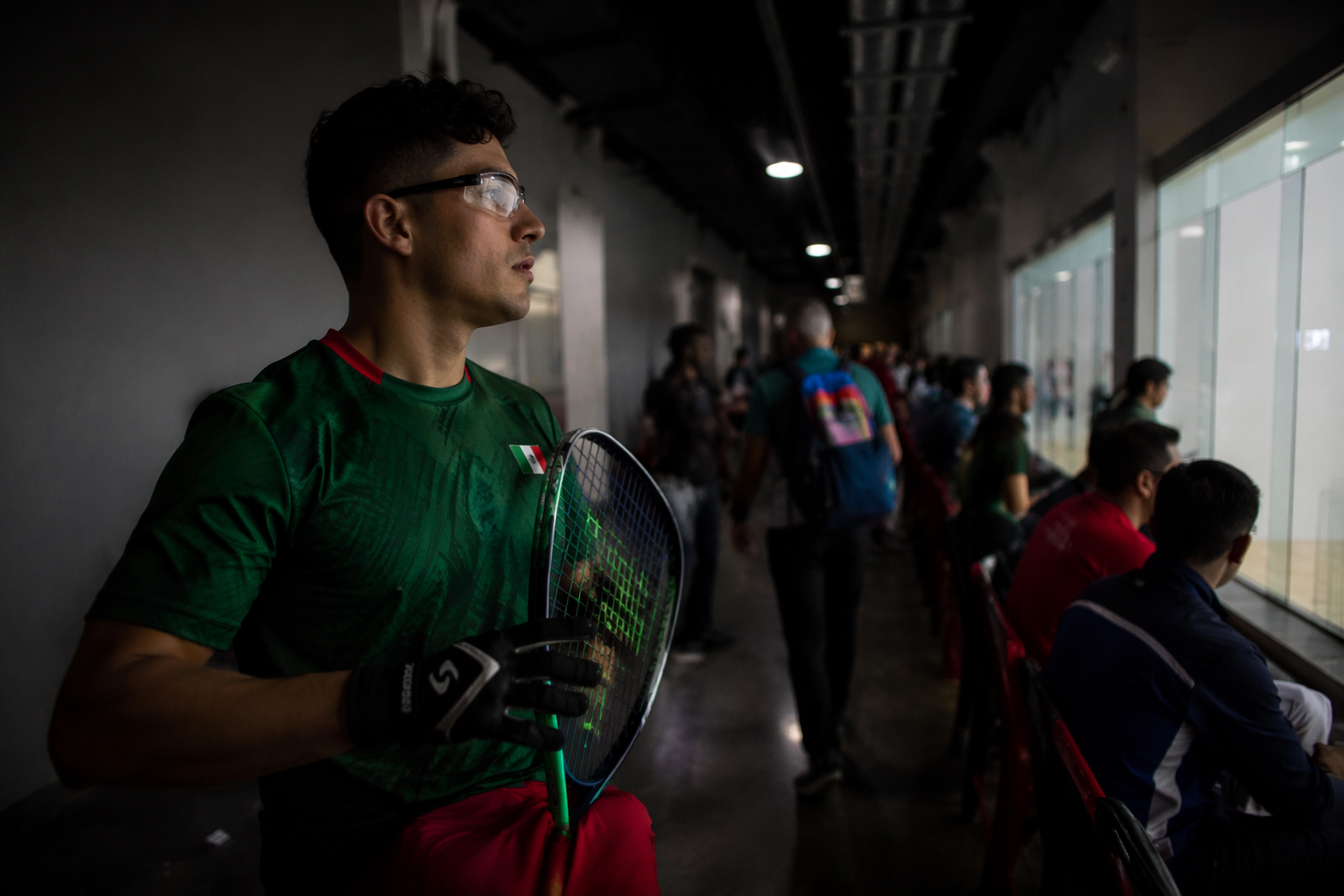
Longoria is still the sport’s standard-bearer in the region. She arrived in Santiago with nine Pan American Games gold medals across individual, doubles and team events, and had not lost a match since her debut at the 2011 Guadalajara Games, where she took three gold medals. That kind of run is what a mature regional system produces: repeated match pressure, familiar rivals, and a ladder of events that keeps the best players in front of each other year after year.
Bolivia’s rise sharpened the point. Conrrado Moscoso beat his countryman Carlos Keller 3-0 for men’s singles gold, then Bolivia added team gold for its second gold medal in Santiago and its best Pan American Games performance ever. That is how the Americas keep feeding racquetball’s biggest stages: through continental tournaments that turn regional dominance into world-level credibility, while the rest of the sport is still trying to catch up.