Racquetball’s 1970s boom turned a niche sport into a national craze
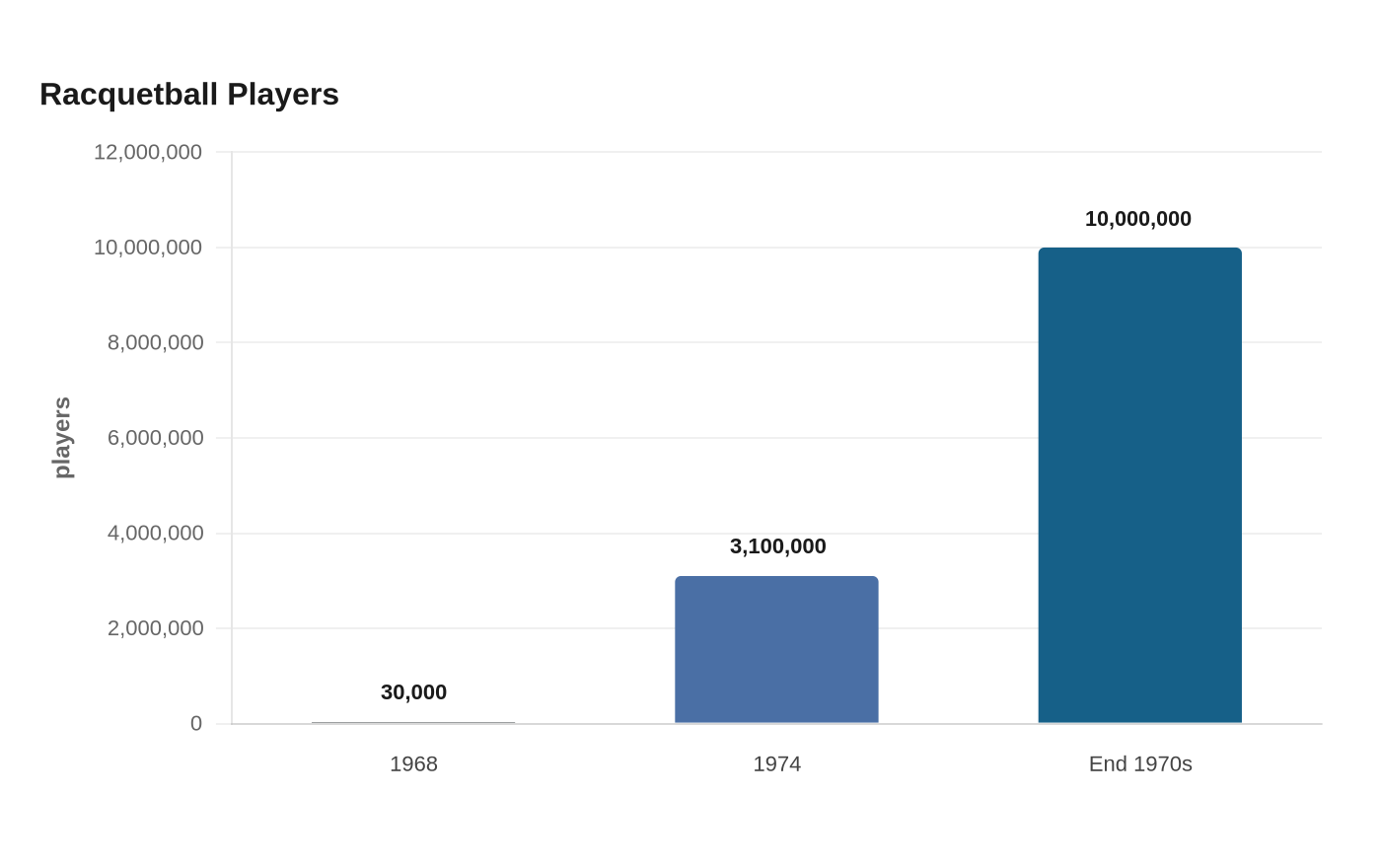
Racquetball did not become a 1970s craze by accident. The sport arrived with a simple promise: quick points, an indoor court, and a game that ordinary club members could learn fast enough to keep coming back. By the end of the decade, histories put participation above 10 million, up from about 30,000 players in 1968, which is the kind of leap that only happens when a sport fits the market as neatly as racquetball fit the era.
How a playable sport got its name
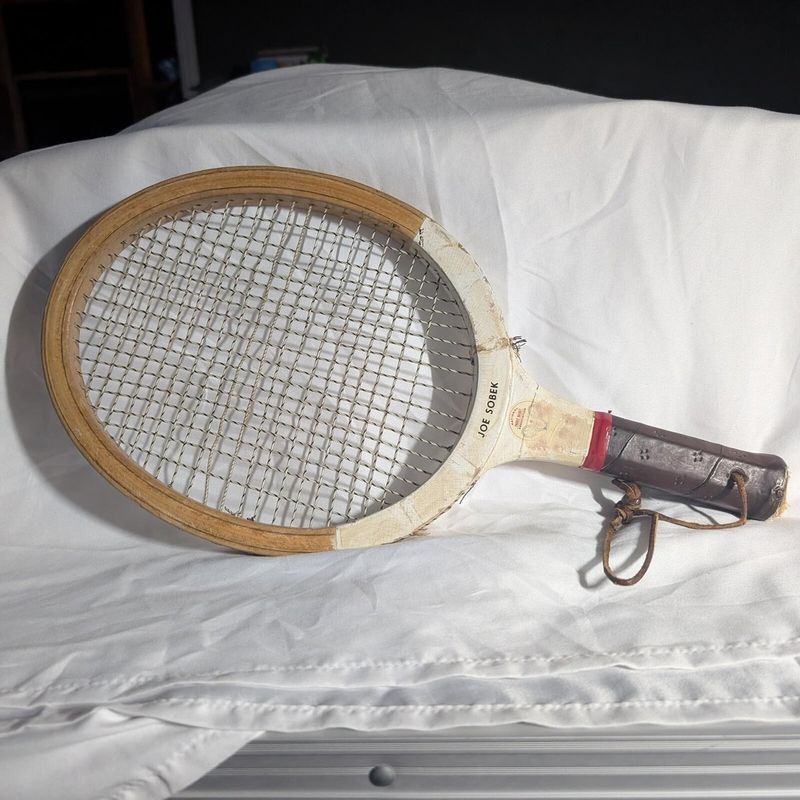
Joseph G. Sobek gave the game its first shape in 1949, when he named it “paddle rackets” after he and a partner had begun using paddles to play handball. He built the early rules from squash and handball, then pushed the design forward in 1950 by developing plans for a short strung racket and having 25 prototypes made. That mattered because it turned a loose idea into something repeatable, and repeatability is what lets a sport escape the neighborhood and enter clubs, schools, and tournaments.
Sobek went a step further in 1952 by founding the National Paddle Rackets Association. That move gave the game structure before it had scale, which helped later promoters present racquetball as a legitimate sport rather than a fad. Once the rules were codified and the equipment existed, the game had the basic machinery needed for organized growth.
The 1970s had the right social weather
Racquetball’s breakout came at the same moment that American fitness culture was widening fast. The 1970s were a period when private fitness centers were spreading, indoor exercise was becoming socially normal, and people wanted activities that mixed fitness with speed and social energy. Racquetball checked every box: it was indoors, competitive, and easy to drop into after work without needing a full team or a large field.

The sport also benefited from something many new games never get: ready-made space. Some histories estimate that roughly 40,000 handball courts already existed in YMCAs and Jewish Community Centers, and those courts gave racquetball a usable footprint before purpose-built facilities multiplied. That existing court network lowered the cost of adoption and let clubs test demand quickly, which is one reason the game could move from niche to mass participation so fast.
By 1974, some histories estimate racquetball had reached about 3.1 million players. That number shows the sport was not growing in a straight line, but in a surge, as clubs, courts, and word-of-mouth fed one another. More players meant more demand for court time; more court time meant more visibility; more visibility meant more players.
The pro circuit and the magazine made it feel real
A sport becomes culturally durable when it has stars, schedules, and something to read about between matches. Racquetball checked those boxes early. USA Racquetball’s history materials place the first pro tour in 1972, and the first NRC pro stop followed on September 27-30, 1973 at the Downtown YMCA in Houston, Texas. That was a crucial step because it shifted racquetball from a club pastime into a sport with a touring professional layer.
The media side arrived almost immediately. The first official National Racquetball magazine appeared in September 1973, and that gave the sport its own regular print platform just as interest was building. A publication schedule matters because it creates continuity: rankings, profiles, rules, tournament coverage, and equipment talk all start to feel like a permanent scene rather than a temporary craze.
By 1974, the first official annual International Three-Wall Singles Championships had also taken place, adding another competitive layer to a sport that was quickly learning how to package itself. The more racquetball could present recurring events and recognized titles, the easier it became for clubs and players to treat it as part of the sporting calendar.
Equipment and venues kept pace with demand
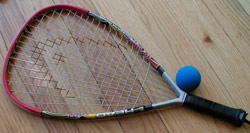
Racquetball’s rise also tracked an equipment race. The US Racquetball Museum’s timeline lists aluminum alloy frames in 1971, fiberglass in 1972, graphite in 1979, and oversized frames in 1984. Those milestones are more than gear trivia. They show manufacturers reacting to a market that wanted faster handling, more power, and a polished look that matched the sport’s image as modern and energetic.
Club architecture changed too. Some 1970s club histories describe glass showcase courts and grandstand-like seating, which turned racquetball into something people could watch as well as play. That visibility made the game feel like an event, not just exercise, and it helped clubs sell memberships, court time, and tournament nights.
The later reversal is just as revealing. Histories of the fitness industry say many racquetball courts were converted to aerobics rooms in the 1980s as demand shifted. That conversion marks the end of the boom era’s business model: clubs had built racquetball as a centerpiece, then repurposed the same square footage when another exercise craze took over. The court itself became a record of how quickly fitness trends can move on.
The sport reached maturity fast
By 1981, racquetball had enough standing to stage the World Games I and the first Racquetball World Championships in Santa Clara, California. That was a major signal that the sport had outgrown its club-born roots and entered the international stage. A game that began with handball improvisation and a 25-prototype racket had become organized enough to support world-level competition.
That arc explains why the 1970s remain the best lens for understanding racquetball. The decade captured the sport at the exact moment when the pieces aligned: existing indoor courts, expanding health clubs, easy learnability, media visibility, and an equipment market willing to innovate. Each factor reinforced the others until the game stopped feeling new and started feeling necessary.
What could be recreated today, and what probably could not
The easiest part to recreate is the sport itself. Racquetball is still fast to understand, physically demanding, and ideal for indoor play, which means the core product has not changed. A modern version of the magazine and pro-tour loop could also exist in digital form, with streaming, social clips, and creator coverage replacing some of the old print gatekeepers.
The hardest part to recreate is the 1970s club ecosystem. The abundance of handball courts in YMCAs and Jewish Community Centers gave racquetball cheap access to space, and that kind of ready-made inventory is rare now. The same is true of the era’s broad fitness-club expansion: today’s market is more fragmented, more specialized, and less likely to hand one indoor sport the kind of nationwide stage racquetball once received.
That is the real lesson of the boom. Racquetball did not simply catch a trend; it matched a moment when American fitness, indoor real estate, and media appetite all moved in the same direction. That combination turned a niche court game into a national craze, and it remains the clearest case study in how a sport becomes a culture.