Racquetball’s black vs blue ball debate remains a hot issue
Under imperfect court lighting, a blue racquetball is often easier to follow off the wall than a black one. In a sport played on fractions of a second, that split-second difference changes reaction time, shot selection, and confidence on the next swing. USA Racquetball put the issue front and center on June 23, 2025, and the sport’s equipment rules show why the debate keeps sticking around.
Why color matters in a sport built on fractions of a second
Racquetball is played in a tight indoor space where the ball can come off the front wall, side wall, floor, and even the back wall in quick succession. When the ball is moving that fast, a tiny difference in how well you can see it changes reaction time, shot selection, and confidence on the next swing. The core issue is visibility.
That is why the conversation lands differently than a normal gear preference. A player who sees the ball cleanly can get set earlier, read the rebound sooner, and stay in the rally longer. A player who loses the ball for even a split second starts playing late, and in racquetball late usually means defensive.
USA Racquetball put it simply: “We as Racquetball people have thoughts and opinions and preferences on just about everything that affects our beloved sport. Let’s talk racquetballs!”

Blue and black do not mean the same thing on court
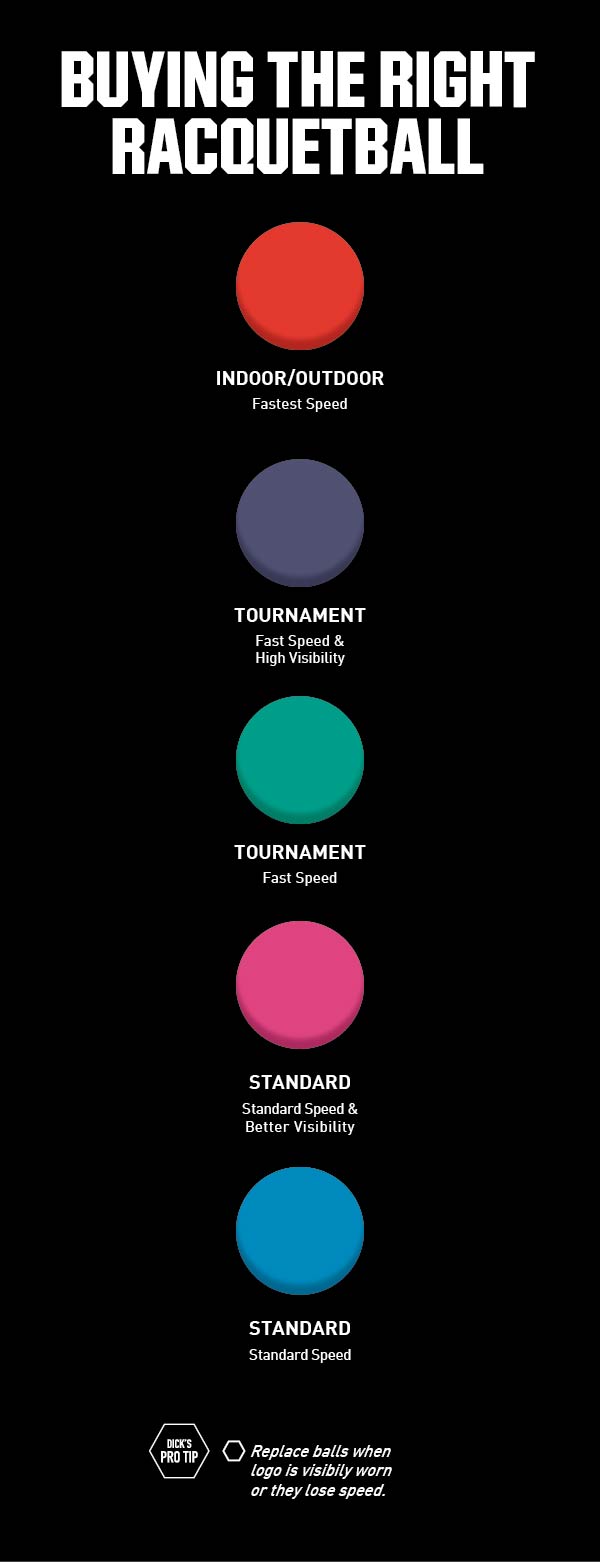
The marketplace has helped harden the split. Commercial product pages frame blue racquetballs as recreational or all-around balls, while black balls are often sold as competition or lower-bounce balls. That distinction matters because players are not just choosing a color; they are choosing a ball that signals a different feel, different visibility, and often a different pace of play.
Blue has the cleaner argument when the court lighting is imperfect or the eye needs help following the ball off the wall. It is the safer all-around choice for many players, which fits why so many players learn the game with it. Penn’s Ultra-Blue carries a product-listing claim that it is “America’s No 1 selling racquetball,” and it also carries the label of official ball of the USRA, giving blue real brand gravity inside the sport.
Black, by contrast, leans into a different identity. Black balls are sold as competition models or lower-bounce options for players who want a firmer, more controlled feel and a ball that demands sharper reads. That can appeal to experienced players who already know how to track spin and pace, and it can also appeal to anyone who wants rallies to play a little tighter and faster off the wall.
Who actually benefits from each ball
Tournament players usually care most about consistency. In a bracket match, the ball choice should not become a hidden variable, and that is where a clearer blue ball can make sense, especially under busy event lighting.
Club regulars are often shaped by whatever their home court stocked first. If a club has used one color for years, that ball becomes the standard by which touch, tempo, and rebound are learned. That local habit matters, because changing colors can change the way players judge length, pinch attempts, and how aggressively they attack a second bounce.
Referees and match officials have their own stake in the choice. A ball that is easier to track can reduce confusion in fast sequences and make it easier to judge whether the rally stayed alive.
Older competitors may be the group with the most practical reason to care. As reaction time slows and contrast becomes more valuable, a ball that is easier to pick up visually can make rallies feel more playable and less punishing.
Why USA Racquetball keeps this conversation alive
The sport’s governing body already treats equipment as part of the game’s structure. USA Racquetball has official rules pages for courts and equipment, and it also has a separate rules section for visually impaired racquetball.
On February 18, 2025, USA Racquetball announced a three-year agreement with Gearbox Sports, making Gearbox the official brand of USA Racquetball. Gearbox labels its Electric Blue racquetball the “Official Ball of USAR Racquetball.”
Sources
- [1]usaracquetball.com
- [2]gearboxsports.com
- [3]racquetballrules.us
- [4]fjtaiwan.com
- [5]karakal.com
- [6]matchset.com
- [7]bsnsports.com