Regional play raises the stakes as club teams chase Nationals bids
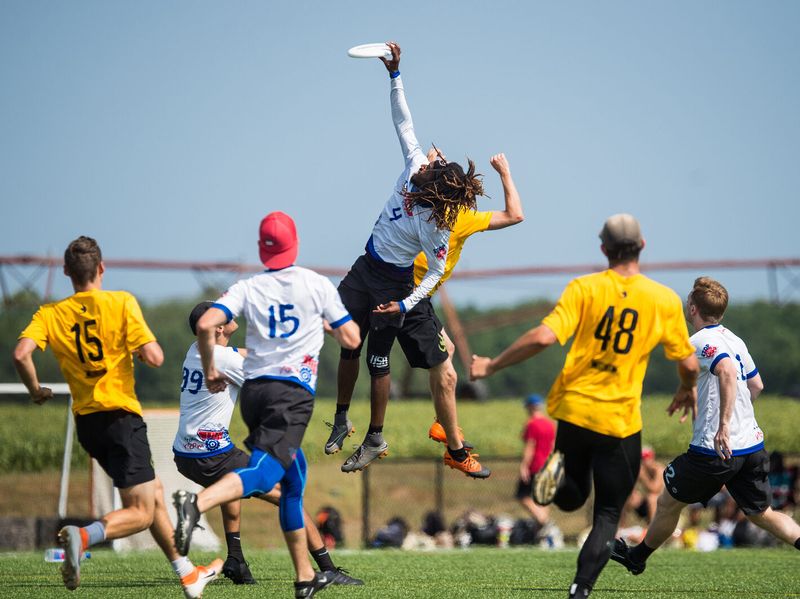
The marquee Triple Crown stops still draw the cameras, but regional weekends are where club seasons usually get decided. One shaky rotation, one untimely turnover sequence, and a team can go from Nationals hopeful to packing up early, which is why the pressure feels sharper once the postseason shifts away from showcase fields.
Regionals are the real playoff bracket
USA Ultimate’s club postseason runs through regional championships that feed the USA Ultimate Club Championships, and that structure gives every division its own gauntlet. Open, women’s, and mixed all chase the same end point, but they do it through separate regional ladders, with qualification tracked by division and by geography on USA Ultimate’s event pages.
That setup matters because regional play is not a side show to Nationals. It is the gate. Teams are not just trying to win games, they are trying to survive a qualification system that turns one weekend into a sorting machine for the entire club season.
Bid math is what turns pressure into urgency
The clearest sign of how tight the margins get came in 2025, when final club bid allocations were released on Sept. 4 after an incredibly narrow mixed-division race. That late change affected the final bid counts in all three divisions, which is the kind of detail that tells you how little separated the top teams once the season reached its closing stretch.
Ultiworld’s bidwatch coverage had already flagged the squeeze in mid-August, noting that there were only three weekends of competition left before the series. At that point, every result carried extra weight because end-of-regular-season rankings were still unsettled, and the strength-bid picture could change on a single result. That is the hidden drama of regional play: it is not just about the teams on the field, but about the math behind the bracket.
Depth gets exposed when the games start to stack up
Regional weekends do not reward glamour rosters as much as they reward reliable ones. Coaches lean harder on their best line combinations, shorten rotations, and protect possessions because there is no room for sloppy second-half possessions when a Nationals bid is on the line. Clean offense and disciplined defense matter as much as athletic upside, and sometimes more.

That is also why regional action often brings different kinds of teams into view. Veteran-laden local powers, rising college alumni groups, and newer combinations trying to prove they belong all get the same test under the same pressure. The bigger names still matter, but the regional bracket is where depth problems show up in public.
The 2025 Mid-Atlantic Mixed field showed what a bid race looks like
The 2025 Mid-Atlantic Mixed Regional Championship is a useful snapshot of how the system works when the stakes are immediate. Rally and AMP earned direct qualification to Nationals, while the rest of the field moved into different flight statuses for the next stage of the club season.
That kind of outcome does more than fill a bracket. USA Ultimate’s 2025 Club Championships results also show post-Nationals flight movement, which means postseason performance does not stop mattering once the final game ends. Regional results can shape the following year’s status, so the teams that hold up under August pressure are also buying themselves a cleaner runway for the next cycle.
The 2026 calendar makes the regional squeeze even clearer
USA Ultimate finalized the full 2026 championships schedule in late 2025, and that broader calendar helps show where regionals sit in the season’s rhythm. The WFDF World Junior Ultimate Championships are scheduled for July 10-18, 2026, in Logroño, Spain, while Ultiworld’s 2026 event schedule lists Masters Championships 2026 for July 17-20 and US Open 2026 for July 31-Aug. 2.
That stack of championship dates tells the real story: club ultimate is not built around one grand finale, it is built around a series of filters. Regionals sit in the middle of that system, after the regular season and before Nationals, where the teams that can manage roster churn, stay clean under pressure, and survive the bid race get rewarded. The rest spend the offseason thinking about the weekend that ended everything.