Rowdies’ Fourth of July tradition stretches back to 1978
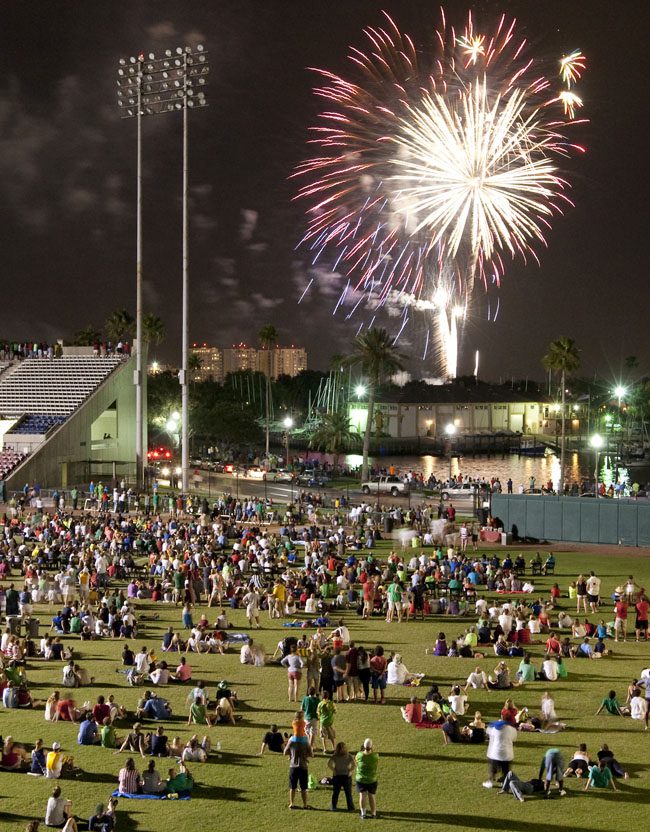
The Tampa Bay Rowdies did not stumble into a Fourth of July tradition. They built it with overtime drama, a 45,888-crowd rematch, and enough repetition to turn a holiday into part of the club’s civic identity. The Rowdies were established in 1975 and still describe themselves as the first professional sports franchise in the Tampa Bay area, which explains why July 4 soccer in this market never felt like a stunt.
How the holiday became part of the club
The foundation was laid in the Original Era, when the Rowdies first tapped into the holiday’s draw in 1978. That July 4 match ended 1-0 in overtime against the Rochester Lancers, with Rodney Marsh delivering the decisive penalty conversion. It was a simple score line, but it carried real weight: a summer holiday had already become a stage for meaningful soccer in Tampa Bay, not just a date to fill on a calendar.
The next year pushed the idea into something bigger. On July 4, 1979, the rematch with Rochester drew 45,888 fans, a club attendance record at the time, and the Rowdies won 4-0 at Tampa Stadium. That one afternoon established the template the club has kept coming back to ever since: a holiday crowd, a marquee opponent, and a match built to feel larger than ordinary league play.
Tampa Stadium made the tradition visible
From 1979 through 1990, the Rowdies played a home match on the Fourth of July in all but one year at Tampa Stadium. That kind of consistency does more than create nostalgia. It teaches a fan base when to gather, where to go, and what the holiday sounds like when it belongs to soccer instead of a parade route or a backyard grill.
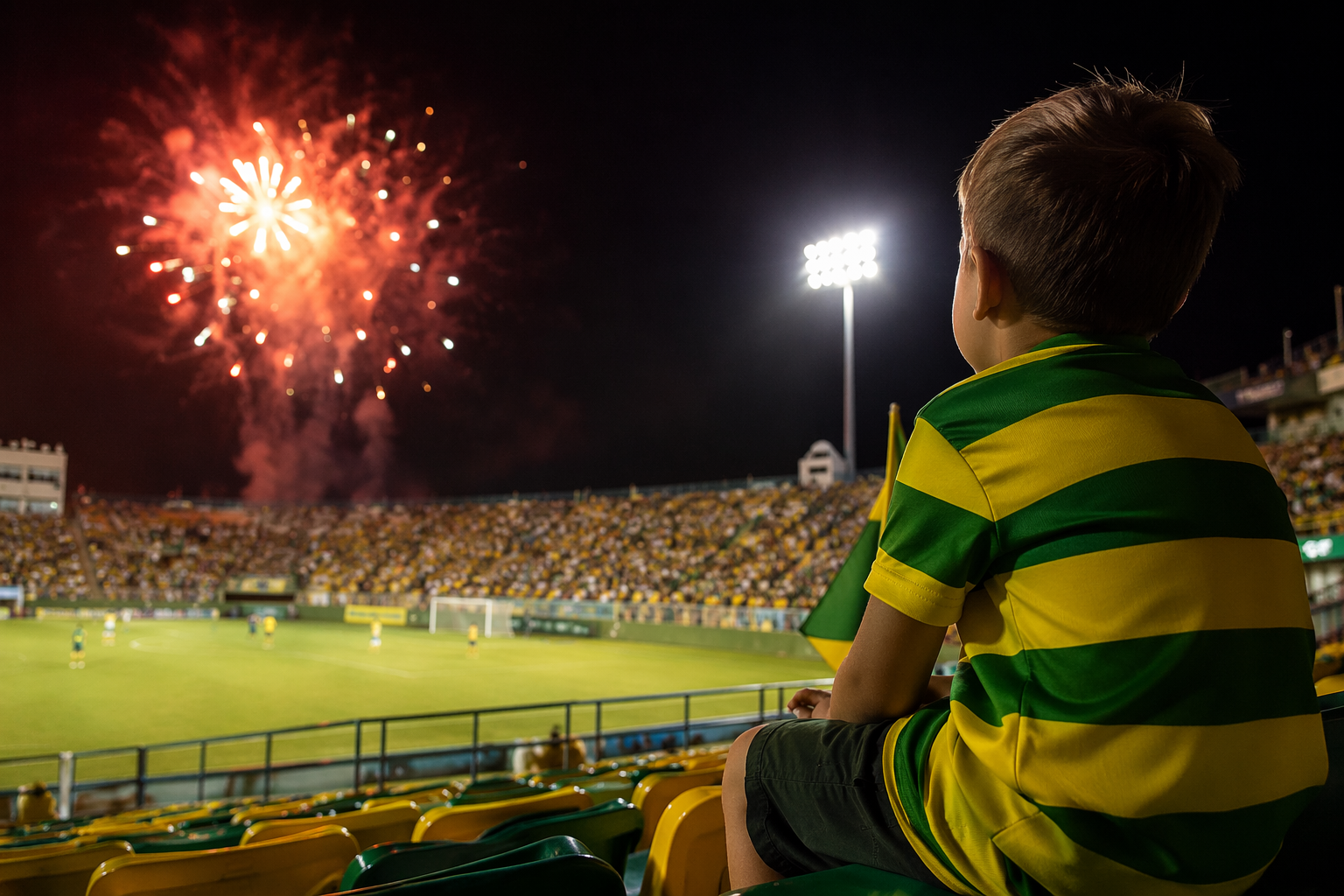
The club also kept finding ways to use the date even when the league situation changed. In 1985, during a year without league play, the Rowdies staged a Fourth of July exhibition against the U.S. Men’s National Team to keep fans engaged and keep the Rowdies name alive in the community. The roster was assembled from past Rowdies players and a few all-stars from England, and the night ended the way Tampa summer soccer should: at Tampa Stadium, with postmatch fireworks.
That same period produced another defining chapter in 1986, when the Rowdies met the NASL All-Stars in the International Soccer Series finale. The game went to a draw before the Rowdies fell in a dramatic shootout in front of a packed crowd, another reminder that July 4 at Tampa Stadium had become a venue for high-stakes theater, not ceremonial filler.
The holiday survived the league changes
The most telling part of the story is not that the Rowdies celebrated one or two memorable Independence Days. It is that they kept returning to the date, even as the league structure around them changed. The North American Soccer League folded, but the holiday custom endured, because the club had already made July 4 part of its own identity instead of borrowing identity from the league.
That continuity matters in a place where soccer has always had to prove itself against louder sports and louder summer distractions. A club that can point to specific July 4 matches across decades is not selling a promo night. It is preserving a local habit. The same holiday that once helped the Rowdies pack Tampa Stadium still gives the organization a ready-made connection between old-school NASL mythology and the modern USL Championship era.
From Tampa Stadium to Al Lang Stadium
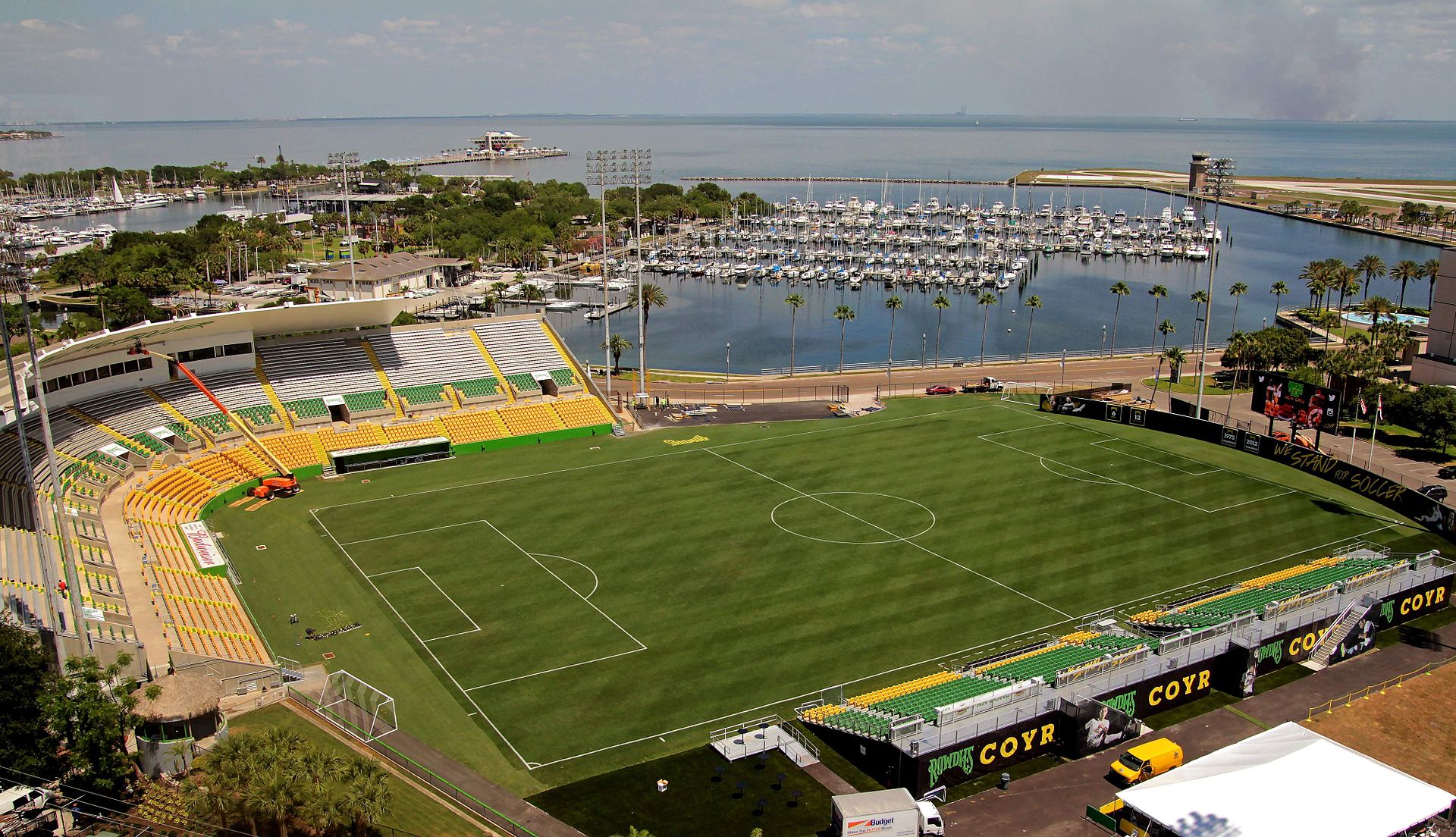
The modern version of the club revived the custom at Al Lang Stadium in St. Petersburg, pairing soccer with fireworks and summer festivities in a setting built for more than one kind of event. The Rowdies’ Al Lang Stadium materials note that the venue has hosted top national teams and club sides from around the world, which fits the broader point here: the holiday tradition sits inside a stadium identity that has always been about more than one competition or one era.
The connection even shows up in the shirt. The Rowdies’ 2026 alternate kit, with red-and-blue hoops on the sleeves, drew inspiration from the jersey worn in the 1985 Fourth of July exhibition against the U.S. Men’s National Team. That is not random nostalgia. It is the club using an old holiday match as a design language for a current product, which is exactly how traditions stay alive instead of turning into trivia.
The club has also used the same history to promote a 2026 Independence Day home match, a current-day reminder that the Fourth of July is still part of the Rowdies’ brand identity because the team made it part of its story in the first place. The through line runs cleanly from Rodney Marsh’s penalty in 1978 to the 45,888 who showed up in 1979, to the exhibition fireworks in 1985, to the kit design in 2026. In Tampa Bay soccer, July 4 is not a theme night. It is a family tradition with receipts.