Santa Barbara Condors built ultimate's first national dynasty
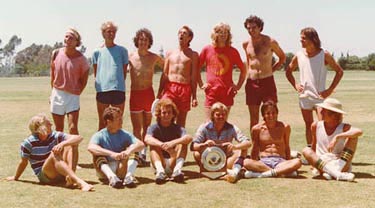
Santa Barbara’s Condors turned ultimate from campus improvisation into a club sport with a history you can actually trace. They first took the field in 1974, were playing against opponents by 1976, and then became the sport’s first national champions in 1977. From there, the program kept setting the standard: No. 1 again in 1978 and again in 1981, with a legacy that still shows up in the modern championship pathway.
From experiment to opponent
The Condors matter because they mark the moment ultimate stopped being only a loose, student-driven experiment and started looking like organized competition. In the early years, the sport still did not always have fixed identities, which is why it is notable that the Santa Barbara group was not even certain it would be the Condors when it first stepped onto the field in 1974. By 1976, though, the team was no longer just experimenting with pickup play. It was lining up against opponents, which is the practical line between a pastime and a club team.
That shift matters in the sport’s history because once teams began traveling, finding regular opposition, and keeping a name from season to season, ultimate developed the kinds of structures that still define it now. Club identity, regional competition, and a national title chase all start with that basic step: showing up as a team instead of a collection of players.
The first dynasty
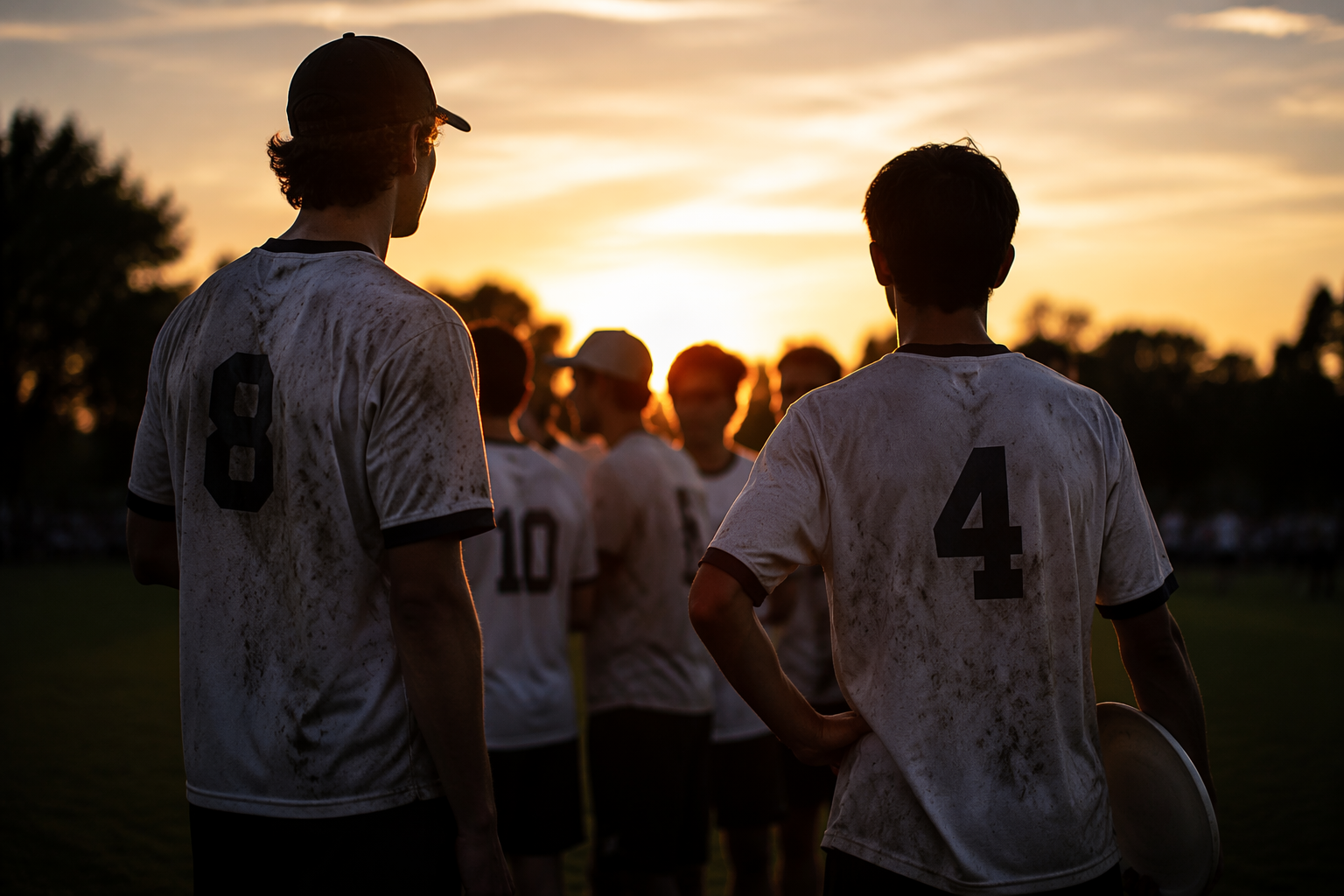
The clearest reason the Condors sit at the center of ultimate history is simple: in 1977, they became the first national champions in the sport. That title gives the game its earliest championship anchor, the first proof that ultimate could crown a true national winner rather than just an unofficial winner in a loose scene. The Condors did not stop there. They repeated as No. 1 in 1978 and again in 1981, which is what turns a breakthrough into a dynasty.
Tom “TK” Kennedy sits at the heart of that rise. He is identified as the team’s early leader, and in January 1997 he wrote a retrospective titled “The Birth of: Santa Barbara Condors, SoCal Ultimate and the UPA.” The Ultimate Hall of Fame also lists Kennedy as a 3-time U.S. club champion in 1977, 1978, and 1981, which ties his career directly to the Condors’ first era of dominance. The team also showed it could absorb a near-miss and stay elite, finishing as national runner-up in 1979.
A roster that shows the sport getting real
One of the most revealing details about the Condors is how well their early roster history has been preserved. A 1977 team page tied to Western Regionals names a full group of players, including Jeff Horne, Andy Hodgeson, Michael “Meanie” Mininni, TK, John Schmechel, Greg “Greggo” Sharp, Bart Merrill, Steve “Leak” Rieck, Chaud Richards, Paul “Hoosto” Hooston, Kit Myers, Chris Fletcher, Tom “T Shep” Shepherd, Buddy Steele, Kip “Kipper” Harmer, and Jerry Hughes. That kind of roster detail is important because it shows the Condors were not just a headline or a myth. They were a concrete club with recognizable people, a bench of named players, and enough continuity to be remembered.
For a sport still building its identity, that matters. Teams become institutions when you can point to who played, where they played, and what they accomplished together. The Condors have that trail, which is part of why they remain such a useful case study for how ultimate became a legitimate club sport.

How the Condors fit the modern championship map
The modern record attached to the program extends far beyond the early titles. USA Ultimate lists the SoCal Condors as Santa Barbara, California, founded in 1974. In that record, the program owns three championships: 1981, 2000, and 2001, along with 29 championship appearances. That long span shows that the Condors line did not end with the first generation of players. It kept producing title teams and championship-level seasons across decades.
That continuity also helps explain how today’s championship pathway works. Ultimate now has a recognizable club ladder, and the Condors were there early, helping define what elite competition looked like on the West Coast. They gave the sport a real title standard, a repeat winner, and a program identity that outlived one roster. The women’s side of the Santa Barbara community deepened that legacy too: the Condors women’s team page says the women had been playing continuously since 1981, the same year the UPA women’s division was created, and says the Lady Condors proposed and worked for a separate women’s division.
That combination of first titles, repeat championships, documented rosters, and organizational reach is why the Condors still matter. They did not just win early. They helped define the shape of ultimate’s first serious era, and the sport’s modern club structure still reflects that foundation.