Seattle Tempest’s third WUL title powered by star production
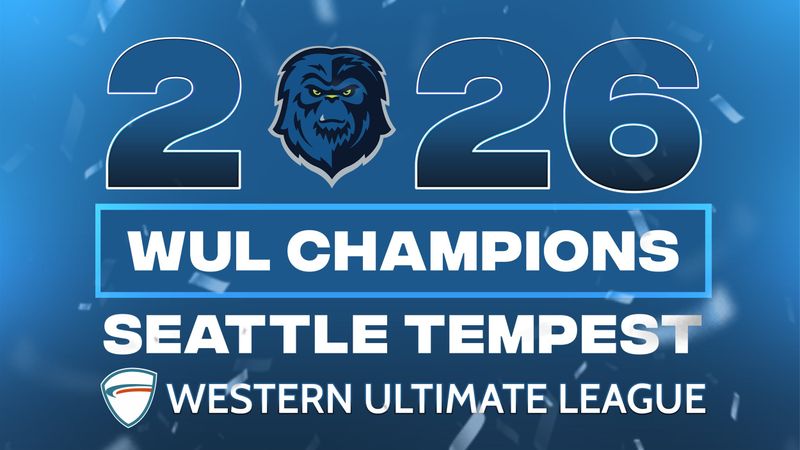
Seattle’s 13-8 win over San Diego Super Bloom in Portland looked like a familiar Tempest story at first glance: pressure, poise, and a title-clinching final that never let San Diego fully settle in. But the numbers from Championship Weekend tell a more specific story about this Seattle team, one that goes beyond the old shorthand that defense alone wins championships.
The 2026 Tempest did win with defense in difficult wind and heat, and the final game state reflected that control. Yet the deeper box score lens, especially EDGE, GameRater, and the weekend’s single-game performance leaderboard, shows a title team powered by stars at the very top of the roster. That is what separates this championship from Seattle’s more balanced 2023 run.
A title that looked different from the start
The Western Ultimate League brought its 2026 Championship Weekend to Portland, Oregon, with the top two teams from each conference advancing to the field. That format compressed the stakes immediately, and Seattle, based in Seattle, Washington, handled the bracket with the same confidence it showed in the final. The Tempest again met San Diego, this time in a 13-8 win over the Super Bloom that sealed Seattle’s third WUL title.
The setting mattered. The championship game was played in difficult wind and heat, and both teams had to manage a game that did not reward casual throws or loose spacing. Seattle did that better, especially once the conditions started to shape the pace of play.
The box score says this was a star team, not just a deep one
Paul Würtztack’s Championship Weekend analytics column makes the clearest case for reading this title differently. Seattle did not just win because it had more answers across the roster. It won because several of its most important players posted some of the best single-game performances of the entire weekend.
Jamie Kauffman, already the league MVP, showed up as a difference-maker in the final with 3 goals, 2 assists, and 1 block. Cheryl Hsu, the Offensive Player of the Year, was even steadier behind the disc, finishing 55-for-57 with 2 goals and 4 assists. Those are not merely award-level names attached to a championship roster, they are award winners backing up the hardware when the final tightened.
Seattle’s other top-end performances came from Meg Manning, a Defensive Player of the Year finalist, Gemma Munck, a Breakout Player of the Year finalist, and Jess Spaulding, whose weekend work also landed among the strongest on the board. Across Championship Weekend, Seattle placed seven of the best 11 single-game performances, a remarkable concentration of elite outputs for a title team that still carried enough depth to sustain a full weekend run.
Why 2026 should be read against 2023
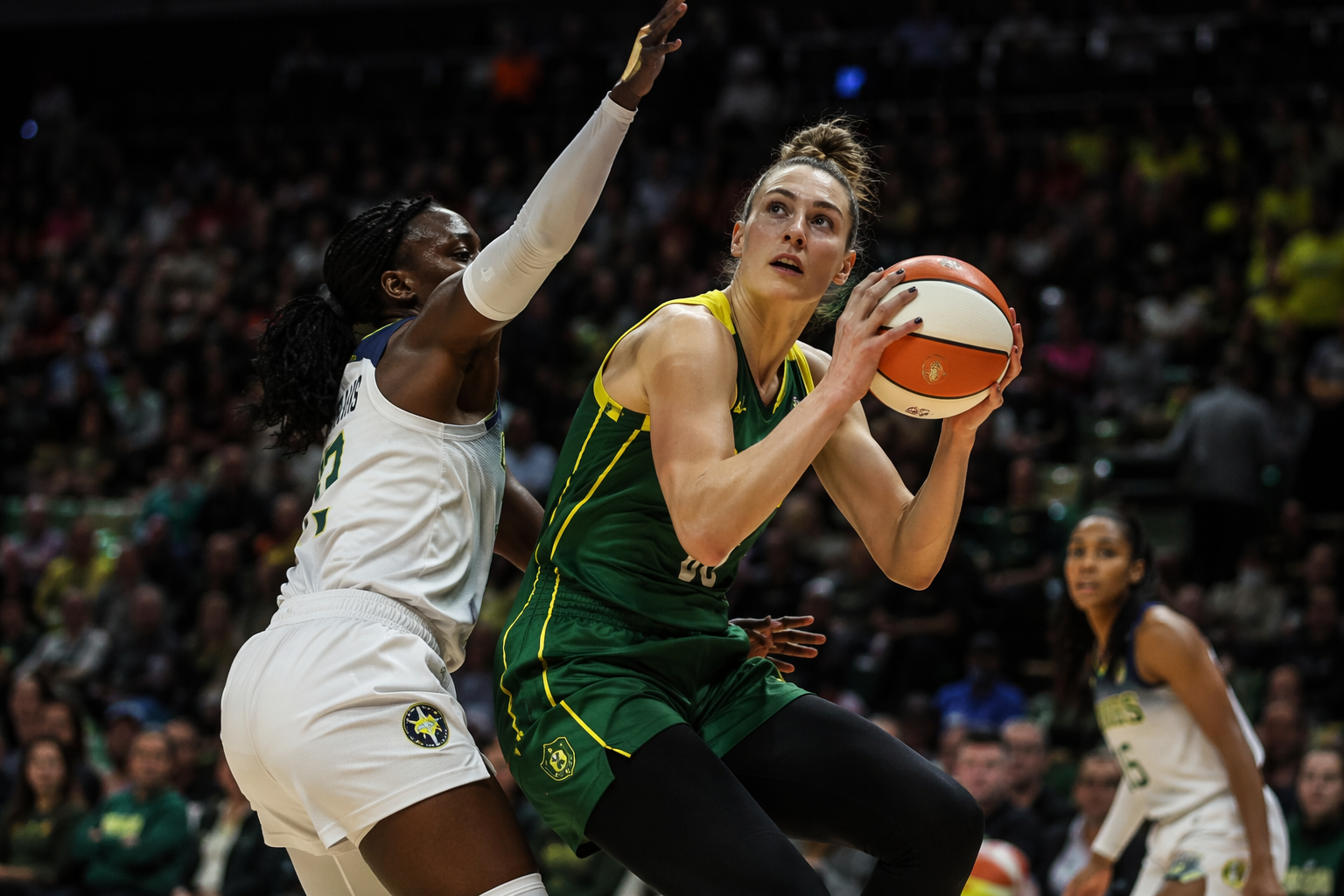
The sharpest contrast comes from Seattle’s 2023 championship team. That roster was so evenly distributed that no Tempest player won MVP, Offensive Player of the Year, Defensive Player of the Year, or Breakout Player of the Year. None of Seattle’s players were among the five finalists for those awards, and only two Tempest players landed in the Championship Weekend top 20 on EDGE.
That matters because it changes the way the franchise’s titles should be understood. The 2023 team looked like a classic collective champion, with production spread broadly and no single player dominating the award conversation. The 2026 group, by contrast, paired the same structural strength with unmistakable top-end production. Seattle did not lose its depth; it added sharper peaks.
That is where the better-box-score metrics matter. EDGE and GameRater do not just measure who finished a possession with a goal. They capture who created value over and over, and in 2026 the Tempest had multiple players sitting at the top of those weekend outputs. The result was a title team that looked less like a one-off and more like a roster built to dominate on both the margins and the marquee stages.
San Diego had answers, but not enough of them
San Diego’s final did include real individual production, especially from Ari Nelson and Kennedy McCarthy. Their lines showed that the Super Bloom were not overmatched in every phase and could still create good offensive moments against pressure. But the difference was collective, not isolated. Seattle’s defensive pressure dictated where the game was played, and the Tempest paired that control with a cleaner offensive ceiling than San Diego could match.
That combination is what makes this championship feel distinct inside the larger arc of the franchise. Seattle has become a team that can win with a deep bench, a disciplined defensive structure, and now a cluster of star-level performances that show up in both the awards and the analytics. In a league where depth still matters, the Tempest just proved that the best teams can also win by putting the most efficient stars on the field at the most important moments.