Select Flight Invite West leaves Southwest and Northwest bid race unsettled
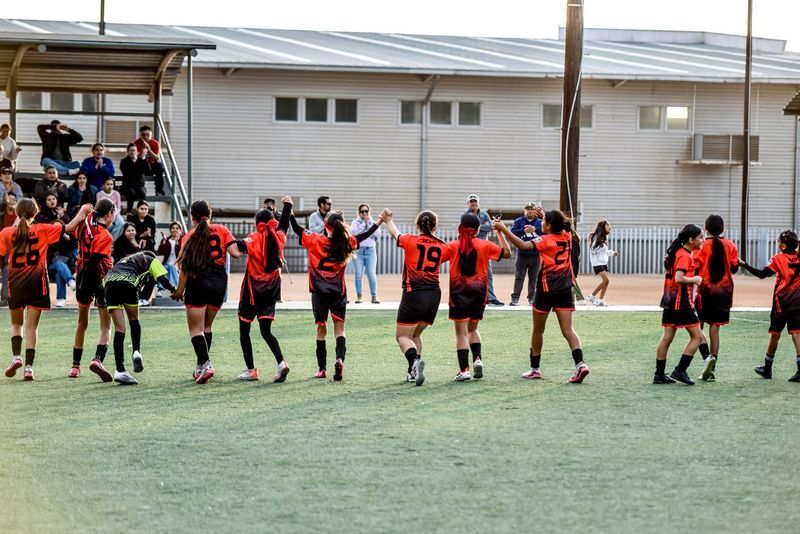
Select Flight Invite West did not settle the Southwest or Northwest pecking order, and that is exactly why it matters. The July 25-26 stop in Salinas, California counted in the 2026 Club Regular Season, so every game fed club rankings as well as regional pride. With women’s, men’s, and mixed divisions on the schedule and the East event running the same weekend in Sylvania, Ohio, the West offered a different kind of read on national strength.
Why this weekend mattered
SFI West is not just a midseason stopover. In the West, a tournament like this works as both a showcase and a sorting mechanism, because teams are trying to do two things at once: win the weekend and prove their region’s strength is real. That double burden matters in a part of the country where travel is heavier and competitive overlap is thinner, so one clean run can lift a program’s reputation while a shaky one can muddy the whole bid picture.
USA Ultimate’s event listing put the tournament squarely in the 2026 Club Regular Season and said it would count toward club rankings. That makes the Salinas results far more than a snapshot of July form. They shape how the rest of the West is viewed once the bracket tightens and late-summer decisions start to carry more weight.
A West field that stretched across multiple hubs
The event’s geography told its own story. The women’s division included Dark Sky from Salt Lake City, LOL from Oakland, Void Cat Rewind from Sunnyvale, Wildfire from San Diego, and FAB from the Bay Area. The mixed division pool shown in the results included California Burrito, Flight Club, and Bullet Train, a spread that pointed to teams coming from multiple western hubs rather than a single dominant corridor.

That matters because the West is rarely evaluated on one clean head-to-head ladder. The image around the article, with Oakland LOL’s Meeri Chang tied to Southwest Women’s Club Regionals 2025, sits in the same competitive landscape that has long been shaped by Bay Area programs and other established regional names. The West keeps producing clubs that can look legitimate in isolation, which is exactly why SFI West becomes so important as a comparative test.
What stayed unsettled after Salinas
The central takeaway from the weekend is that the West remains fluid. The observations coming out of the tournament point to a landscape where established powers and emerging challengers are still trading blows rather than sorting neatly into a clear hierarchy. That makes the Southwest and Northwest bid race harder to read, not easier, because the region still has enough depth that a single event can change how teams are discussed nationally.
The real question is not simply who looked best on the weekend, but who can turn athletic talent into reliable tournament results. That distinction matters in the West more than almost anywhere else, because travel can wear down legs, unfamiliar opponents can distort expectations, and the margin between a statement win and a misleading one is often thin. The weekend’s value came from exposing which teams can sustain pressure and which ones still have holes that become harder to hide later.
How to read the West against the East
The simultaneous Select Flight Invite East in Sylvania gave the calendar a useful contrast, but it also underlined why the West demands its own lens. Eastern teams can often build a cleaner web of results because they face one another more frequently, while western teams are separated by longer trips and more uneven overlap. That means the same kind of result can carry different interpretive weight in the West, where a loss or a strong finish can reshape regional perception in a way the East-side companion piece could not.
This is also why Pro-Elite Challenge West earlier in July already mattered as a checkpoint. By the time SFI West arrived, the region had begun stacking meaningful comparisons, and the weekend added another layer to how teams project once the bracket tightens. The event is part of a broader late-July club stretch that also leads into the US Open, so the teams in Salinas were not only chasing a good weekend, they were building evidence for what kind of ceiling they can still reach.
Why the event keeps carrying more weight
SFI West has become a recurring part of the summer club calendar, with USA Ultimate also listing a 2025 Select Flight Invite West page and an older 2024 East and West preview establishing the paired format. That repetition has turned the event into a familiar pressure point for western clubs, a place where July momentum can become August credibility or dissolve into more questions.
The best way to read Salinas is as a credibility check for the West itself. If a team can leave that kind of tournament with clean system play, sustained pressure, and enough consistency to matter in rankings, it strengthens the region’s postseason case. If it cannot, the West stays open, unsettled, and far more complicated than any East Coast comparison would suggest.