SHAPE America says dodgeball should not be in school PE

SHAPE America has spent decades arguing that dodgeball does not belong in K-12 physical education, saying the game works against the positive school climate and physical literacy schools are supposed to build. The organization says a sport built around eliminating classmates by hitting them with a ball can undercut anti-bullying goals instead of reinforcing them, making dodgeball a rare school activity that turns a lesson about movement into a test of who gets picked off first.
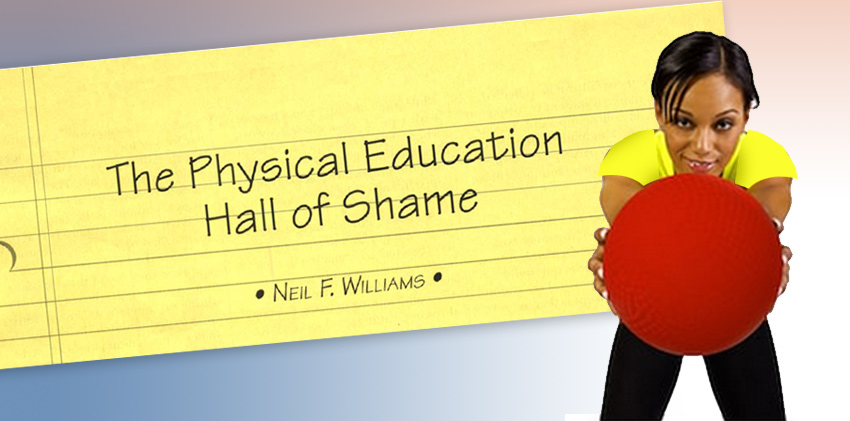
The fight is not new. SHAPE America said in 2019 that it had been pushing to exclude dodgeball for decades, and pointed to the game’s induction into the Physical Education Hall of Shame in 1992. Before that, the National Association for Sport and Physical Education issued a 2006 position statement saying dodgeball is not appropriate for K-12 school physical education programs. The criticism also reaches back to a 1992 Journal of Physical Education, Recreation & Dance article that targeted activities that embarrass students, limit participation, and fail to build motor, cognitive, or affective skills.
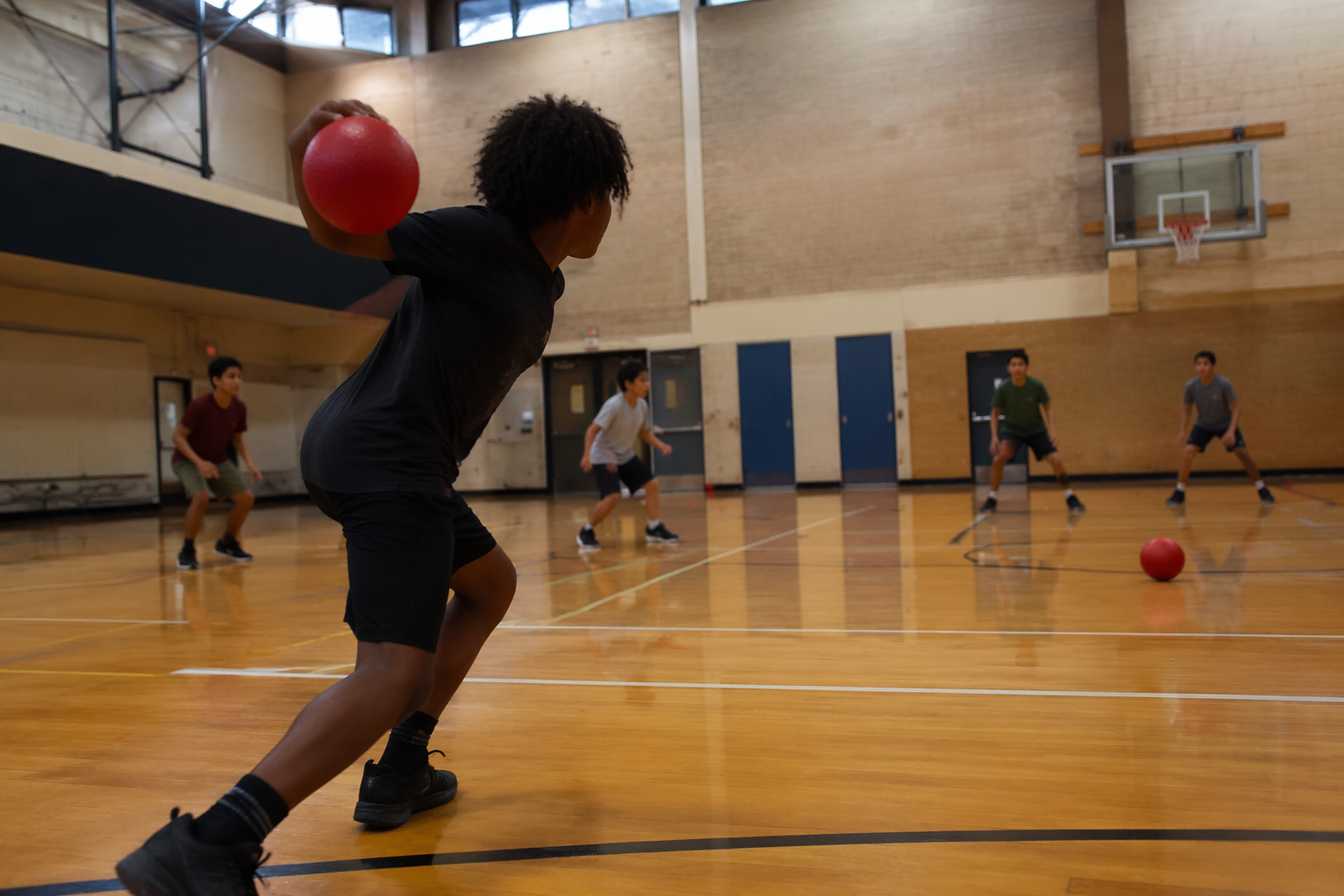
Yet the student experience is more complicated than a blanket ban suggests. The 2021 study Will Dodgeball Ever Die? Former K-12 Students’ Experiences and Perceptions of Playing Dodgeball in PE Class found that males generally were more likely than females to view dodgeball as appropriate and competitive. Another 2021 student-voice project, Dodgeball in Physical Education: What Students Have to Say in the Matter, collected 233 survey responses from sixth graders and held two focus groups with four students each. Many of those students said they enjoyed the game and wanted it kept as an optional PE activity rather than removed entirely.
That split helps explain why dodgeball keeps resurfacing as a values clash inside schools. A 2021 European Physical Education Review article argued that the game can reinforce marginalization, powerlessness, helplessness, violence, and dominance, and ERIC’s indexing of the paper says the authors concluded dodgeball habituates aggression and fails to contribute positively to ethical education. At the same time, adult leagues have kept the sport alive outside school walls, with a 2019 injuries paper noting that a 2014 industry report from the Sport and Social Industry Association said adult dodgeball participation had grown 20% annually over the previous three years.
There is no federal or statewide U.S. law banning dodgeball in schools, so the decision usually lands with local districts and individual schools. That has kept the issue tied to changing attitudes about safety, especially after the 2001 wave of bans and restrictions that followed Columbine and targeted so-called human target games in places such as Maryland and Austin, Texas. In practice, dodgeball still serves as a referendum on what PE should reward: inclusion and safety, or competition, resilience, and awareness.