Southeast NJCAA Division I program seeks immediate frontcourt help

A Southeast NJCAA Division I men’s program is looking for interior players who can help right away, and that wording tells you almost everything about the roster pressure sitting underneath the announcement. The current group is listed with seven sophomore student-athletes, which makes the frontcourt search less about long-term development and more about protecting the team’s size, rebounding, and physical edge before the season begins.
Why this opening matters now
The request is not for a project. It is for interior players who can make an immediate impact, which in basketball language usually means a body who can defend the rim, secure rebounds, and hold up in the lane against older, stronger conference opponents. When a junior college staff is this specific in late June, it is usually trying to solve a rotation problem before it becomes visible in the opening month.
That urgency fits the calendar. The listing appeared in College Basketball Openings’ June 23, 2026 roundup of current men’s openings, after the original June 21 note, so the need is active and current. College Basketball Openings uses these JUCO listings as direct recruiting opportunities for unsigned players, which makes the post less of a general program announcement and more of a clear invitation to prospects who can step into a role quickly.
The geography matters too. The program is identified as being in the Southeast United States, a region where junior college basketball often becomes a fast-moving market for late roster pieces. Once a staff is this deep into the offseason, every open frontcourt spot becomes a race against the rest of the division, because other programs are also chasing size and experienced interior help.
What seven sophomores signal about the roster
A roster built around seven sophomores usually brings a built-in deadline. Those players are closer to the end of their NJCAA eligibility window than the beginning, so a team can lose a large share of its frontcourt production at once when the calendar flips. That is why sophomore-heavy rosters often have to recruit the paint early and aggressively, especially in Division I where the jump in physicality can punish thin front lines.
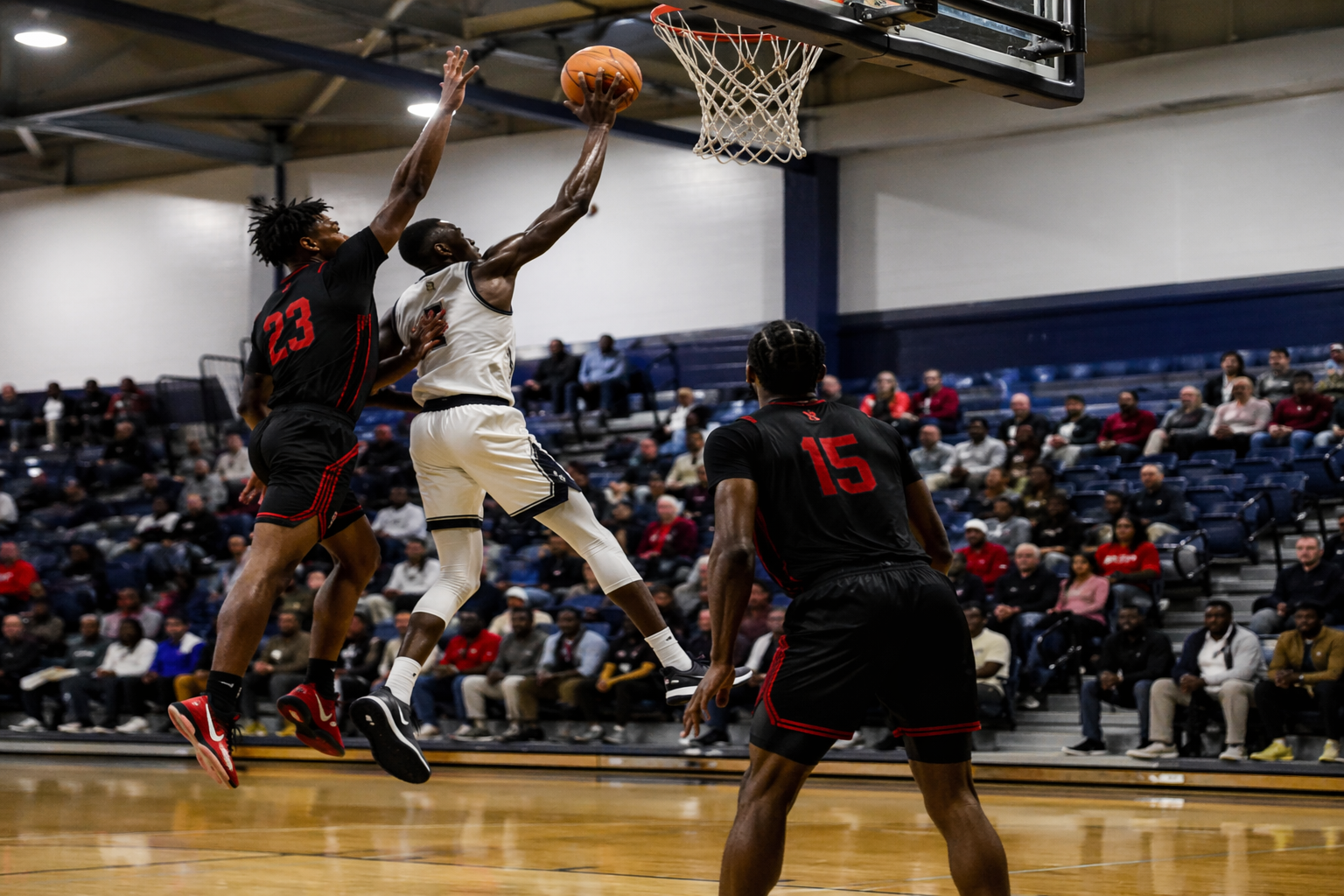
The real concern is not just height. It is whether the team can rebound through traffic, defend the rim without constant help, and survive the grind of back-to-back league games without wearing down its bigs. If the current roster leans young in the frontcourt or lacks enough physical depth behind its primary post players, one impact addition can change the entire tone of the season.
That is the identity piece hidden in the listing. A team that adds one reliable interior anchor can go from being perimeter-dependent to playing more balanced basketball, with easier defensive possessions and more second-chance scoring. In NJCAA Division I, that shift can be the difference between staying competitive in conference play and getting pushed off the glass by teams with heavier, older rotations.
What the staff is really asking for
“Interior” is the operative word here. It points to more than a tall player standing near the basket. The program is looking for someone who can handle the dirty work that determines whether a team controls the pace of a game: rebounds, box-outs, rim protection, post defense, and the ability to finish around contact.
Immediate rotation minutes are part of the appeal for the right prospect. A late opening like this often gives a player a clearer path to playing time than a crowded roster would, which is especially valuable for unsigned players trying to maximize minutes before moving on. For a post player who wants to produce quickly, prove value, and potentially position himself for a four-year stop after a productive JUCO run, that kind of defined role can be a strong selling point.
It also explains why the listing is so direct. The program does not sound like it is searching for a redshirt candidate or a long-term development piece. It sounds like a staff that wants a ready-made frontcourt answer, someone who can walk into practice and immediately change how the team handles rebounds and paint defense.
The broader NJCAA pressure behind the search
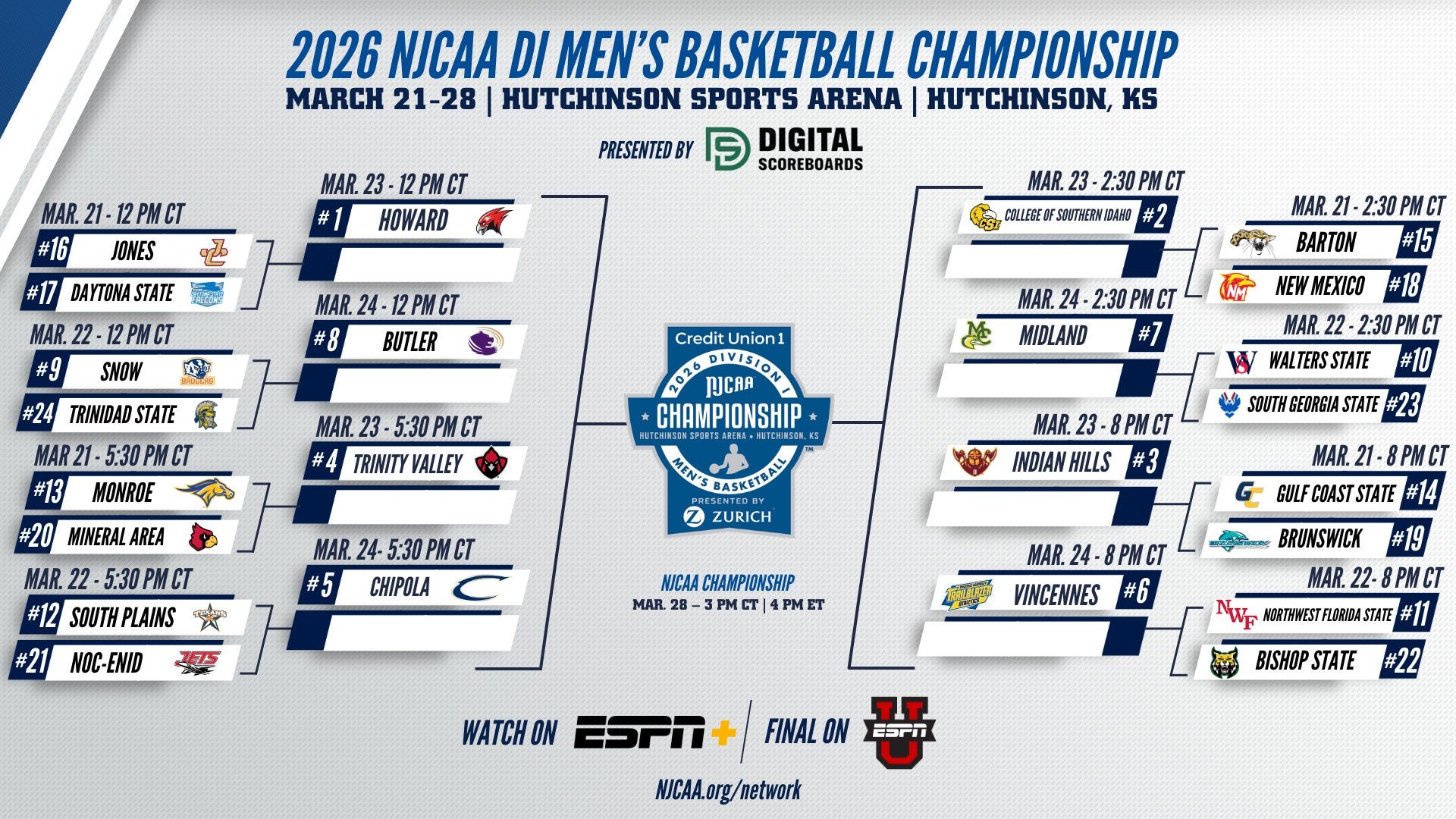
The urgency is part of a larger NJCAA reality. The association’s men’s basketball championship history dates to 1948, when the first championship was held in Springfield, Missouri, and the championship footprint has remained a major marker for programs trying to build toward March. The 2024-25 NJCAA Division I Men’s Basketball Championship was held March 22-29, 2025, at Hutchinson Sports Arena in Hutchinson, Kansas, underscoring how much a summer roster decision can echo all the way to the national stage.
That backdrop makes June recruiting feel far more consequential than it might in another setting. A frontcourt addition now is not just a patch for practice. It can shape how a team defends the rim in January, how it survives foul trouble in February, and whether it can play the kind of physical postseason basketball that championship teams usually require.
Eligibility sits in the middle of that equation. NJCAA member colleges and student-athletes operate under the NJCAA Handbook and eligibility pages, so any player stepping into a late roster opening still has to clear academic and compliance requirements before becoming a real solution. That means the staff is not only evaluating size and skill, but also whether a prospect can be certified fast enough to matter in the coming season.
What one frontcourt addition could change
One strong interior addition can alter a team’s identity faster than almost any other single roster move. A dependable rebounder can end extra possessions for opponents. A credible rim protector can let guards pressure more aggressively on the perimeter. A physical post presence can keep a team from being bullied when games get ugly in the paint.
That is why this Southeast opening is more than a generic summer recruiting note. It is a late-cycle signal of frontcourt scarcity, transfer churn, and the constant pressure in NJCAA Division I to replace interior production before the season starts. If the program lands the right big, the entire rotation can settle around him, and the team’s edge in the paint could become the foundation of its 2026-27 identity.