Southern Arizona flag football pipeline shines at USA Football Summer Series
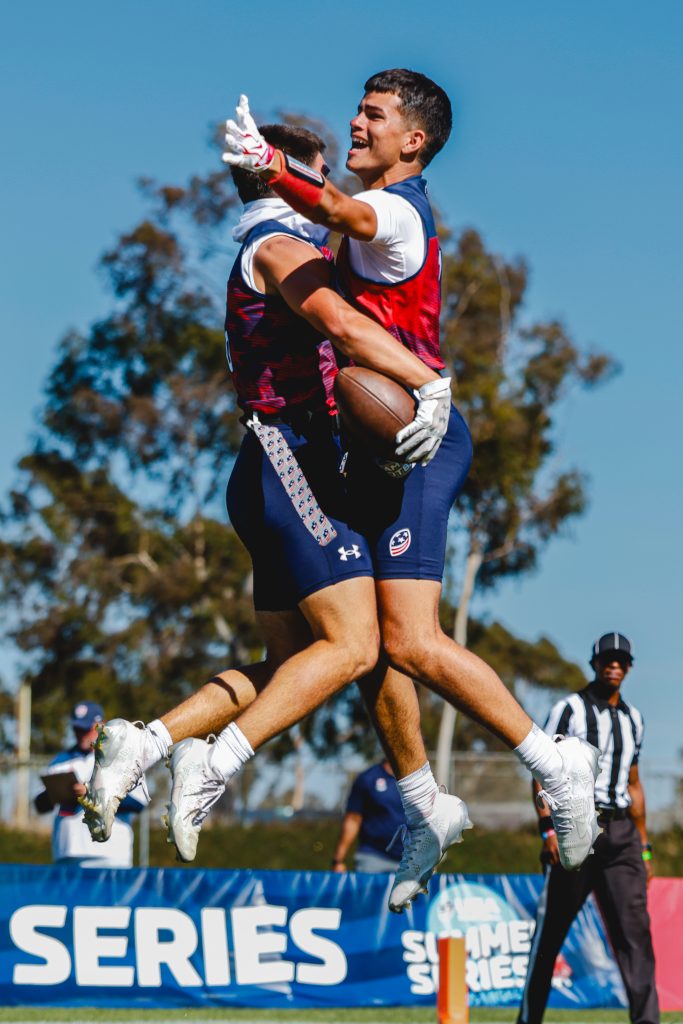
Southern Arizona did not just show up at the USA Football Summer Series. It showed up with depth, with coaching, and with players who are already forcing their way onto a bigger stage. Eight athletes from Southern Arizona and four Tucson coaches, including Bobby Rodriguez, were part of the June 17-21 showcase at Dignity Health Sports Park in Carson, California, a setting built to measure how far a local pipeline has traveled.
Los Angeles as the proving ground
USA Football turned Dignity Health Sports Park into a five-day flag football hub for the third straight year, framing the Summer Series as a global showcase for the sport and a preview of its Olympic debut in 2028. The scale matters. USA Football said the event brought together more than 750 athletes representing ten countries, while its Summer Series landing page described a larger ecosystem of more than 1,000 athletes, coaches and team personnel.
That is not just a big event. It is the kind of setting where regional programs get graded in public. Tucson players and coaches were not tucked into the margins of a youth tournament; they were part of a USA Football stage that included Team USA Football exhibition play, international competition, and National Team Development Program events built around the sport’s highest level of youth and senior talent.
How the Summer Series was built
The calendar was dense, and every piece had a job. USA Football’s Select Bowl, the premier 2026 championship event for the National Team Development Program, used 5-on-5 Olympic-style flag football and unfolded in a tight sequence: orientation and media day on June 17, practices and skills challenge on June 17-18, pool play and championship games on June 19-20, and award ceremonies on June 20.
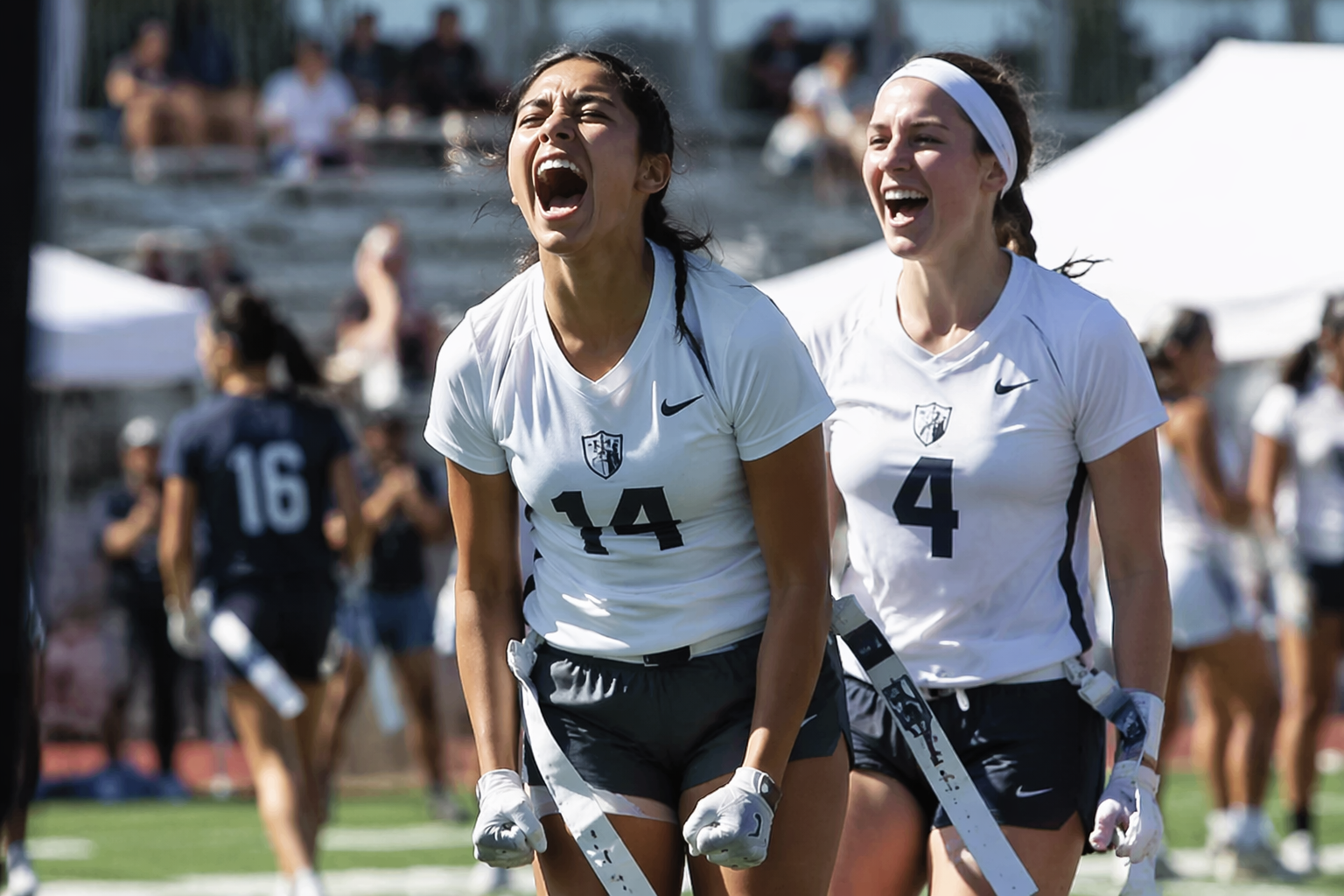
That structure matters because it tells you what this event is really testing. It is not only about who can flash in a single game. It is about handling a week of evaluation, adapting to different formats, and performing in the same 5-on-5 style that will define the sport at the Olympic level. Select Bowl also split into eight divisions, including 12U boys and girls, 14U boys and girls, 16U boys and girls, 18U girls and 23U women, which gave the event a true development ladder instead of a single showcase bracket.
The rest of the Summer Series reinforced that ladder. The Rivalry Series featured exhibition games between the U.S. men’s and women’s national teams and Canada, while Stars & States gave the National Team Development Program another competitive lane. The Junior International Cup sat alongside it all as the clearest global test, with elite 15U and 17U boys’ and girls’ national teams from around the world.
Why Southern Arizona keeps producing
The Tucson story is not random, and it is not a one-off. All Sports Tucson tied the local turnout to the Tucson Turf Elite program and Bobby Rodriguez’s Jet Sports Training work, which is the real clue here. Southern Arizona is building players the hard way: through repeated reps, local coaching continuity, and a year-round development culture that feeds athletes into bigger stages instead of waiting for them to appear.
That is how a region becomes an exporter. The best programs do not just produce one standout and call it proof. They create a steady stream of players who are ready for national exposure at different ages and in both boys’ and girls’ pathways. The fact that Tucson sent four coaches as well as eight athletes says the area is not only developing talent. It is exporting the people who teach it.
The names that stood out

The local roster had real depth. Kendren Bourguet and Isla Collins were among the athletes highlighted in the Junior International event, which immediately places them in one of USA Football’s most important development settings. That is no small marker, because the Junior International Cup is designed around 15U and 17U national teams from around the world, not a casual summer run.
Rylen Bourguet, Deztany Toyota-Villalobos and Emeron Bourguet also appeared in the local rundown, showing that the Southern Arizona group was not built around a single headline name. It stretched across families, age groups and divisions, which is usually the better indicator of a healthy pipeline than one breakout star. When multiple athletes from the same area keep surfacing in a major USA Football event, the conversation shifts from isolated success to regional consistency.
What this says about Tucson now
The cleanest read on this event is simple: Tucson is no longer chasing the flag football boom from the outside. It is helping drive it. The combination of Tucson Turf Elite, Jet Sports Training, local coaching and repeated competitive exposure has created a pipeline that can send athletes and coaches into a USA Football event that spans youth divisions, national team exhibitions and international play.
That is why the Los Angeles trip mattered beyond the box score. Dignity Health Sports Park was not just a venue for a few summer games. It was the sport’s global showcase, a place where Olympic ambition, national-team standards and youth development all collided in one week. Southern Arizona showed up with enough players and enough coaches to leave no doubt about where the region fits in that picture now.