Southern California ultimate players spread the spirit of the game
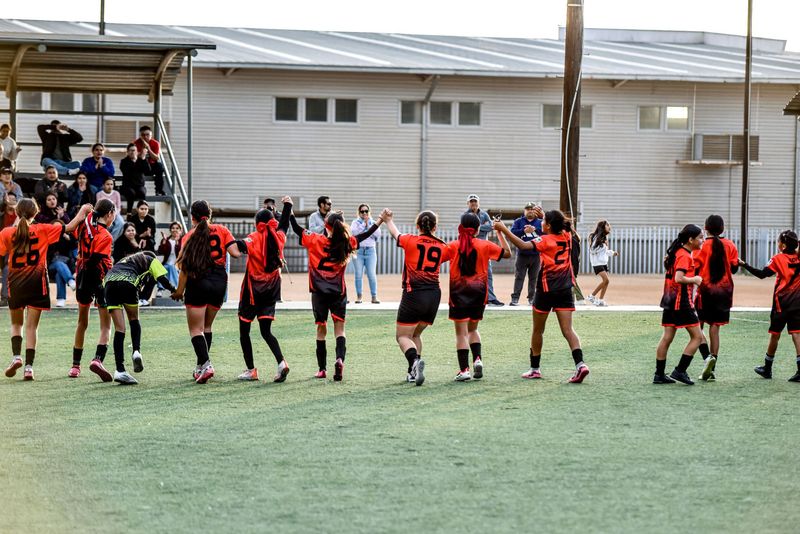
The best Southern California ultimate stories start with a game that asks players to do something unusual in American sports: call their own fouls, settle disputes on the field, and keep the competition moving without officials standing between them. That is the culture a Spectrum News 1 feature puts at the center of the region, and it works because Spirit of the Game is not window dressing in ultimate. It is the structure that makes the sport recognizable anywhere a disc is flying.
Spirit of the Game is the sport’s operating system
USA Ultimate defines Spirit of the Game as a core element of ultimate and says all players are responsible for administering and adhering to the rules. That means the values are baked into the way points are played, not added afterward as a sportsmanship award. WFDF frames the same idea as one of the core elements in flying disc sports, with a much higher emphasis in ultimate than in most other games built around fair play.
The practical effect is easy to miss if you only watch the scoreline. In ultimate, the athlete who sprints for a deep cut is also expected to help manage contact calls, restart play, and keep the tone controlled enough for both sides to trust the result. That is why a story about Southern California players “spreading the spirit of the game” is really a story about how the sport stays playable at speed.
Why Southern California is a meaningful stage
Southern California is one of the country’s deepest sports markets, which makes any local coverage of ultimate more significant than a novelty feature. When a regional outlet gives space to the sport’s culture, it signals that ultimate has moved beyond championship recaps and into the broader conversation about how communities form around athletics. That matters in a place where attention is crowded by mainstream pro teams, college powerhouses, and year-round youth sports.

The region’s value to ultimate is not just visibility. Southern California sits at the intersection of club, college, and youth play, which creates a pipeline that can keep athletes in the game for years. A sport that depends on players learning its norms early benefits from that kind of overlap, because the same people who start in youth brackets can grow into mixed, club, and community roles without leaving the sport behind.
The local structure is deeper than a one-off feature
California already shows the shape of an organized ultimate scene, and the 2025 SoCal Mixed Sectional Championship is a clear example. The event listed 13 teams and six advancing spots to Regionals, which means the level below championship play was crowded enough to require meaningful sorting. That is not a loose pickup ecosystem. It is a competitive ladder with enough depth to support serious development.
The teams in that sectional tell the same story. California Burrito, Lotus, Octonauts, Robot, Shipwreck, Family Style, Phlagstaff Ultimate, Karma, Spoiler Alert, Erosion, Party Wave, Birds of Paradise, and Boiling Point formed the mix at the sectional level, giving the Southern California scene a roster of identities that reflects how broad the community has become. In a sport that thrives on local continuity, those team names are more than branding. They are the clubs, mixed rosters, and community hubs that keep players connected between major events.
How self-officiation shapes the actual game
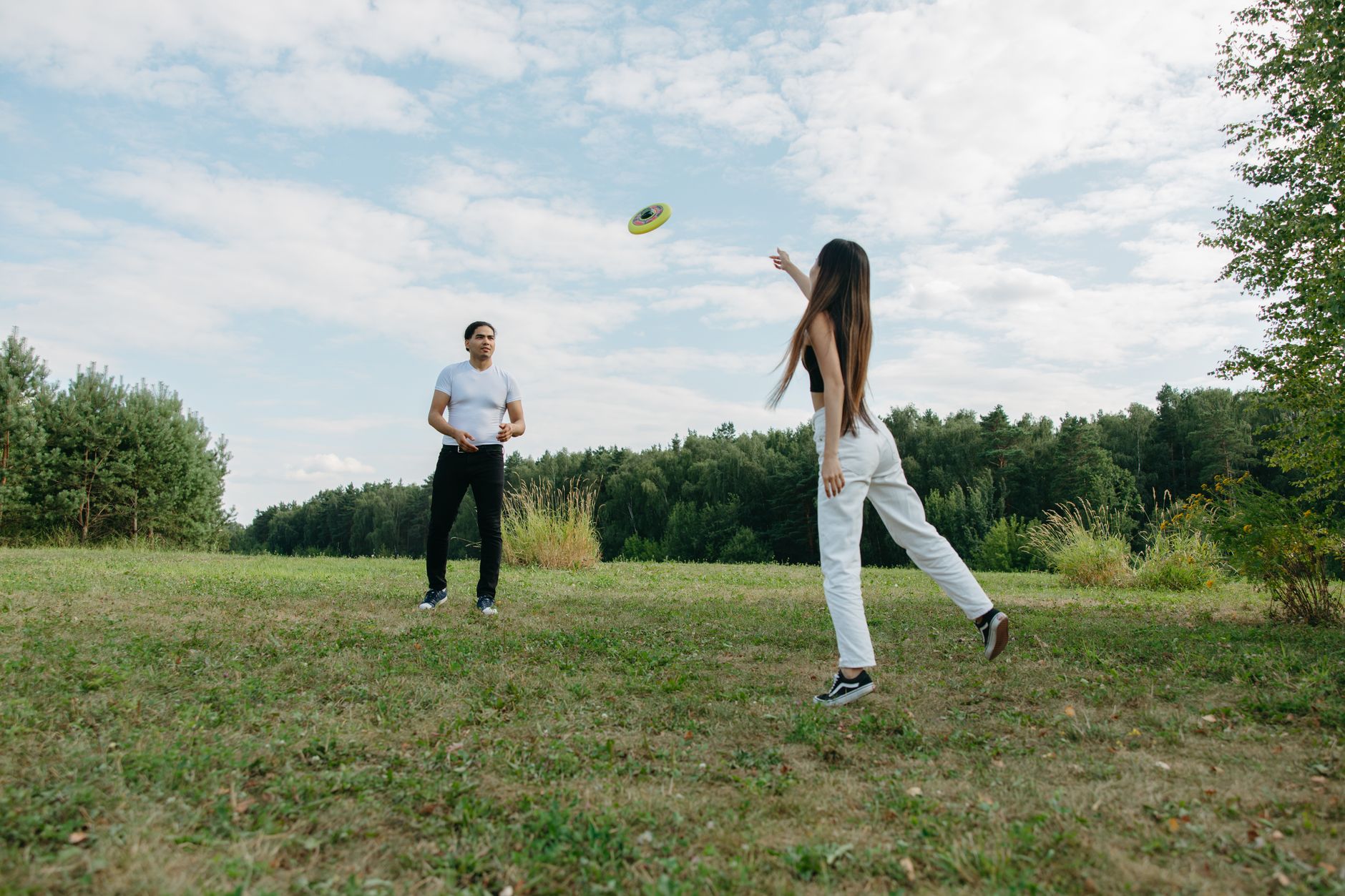
Ultimate’s rules make the players responsible for the game in a way most sports do not. USA Ultimate’s rules material describes ultimate as a non-contact sport played by two teams of seven players, a detail that explains both the flow and the discipline required to play it well. With seven on the field and no traditional officiating crew controlling every stoppage, the players themselves must protect the standard of play.
That is where Spirit of the Game becomes a lived skill. Players have to balance intensity with communication, then settle contact calls, turnovers, and restarts without letting the match turn into a grievance session. WFDF’s history material even notes an ongoing debate in North America and internationally over whether the observer system conflicts with Spirit of the Game, which shows how central the question of officiating has been to the sport’s identity for years. In other words, the culture of fairness is not a slogan pasted onto ultimate after the fact. It is a long-running governance issue that reaches into how the sport is organized.
Why this matters for growth, not just etiquette
Stories like the Southern California feature matter because they show how ultimate grows from the inside out. A sport built on self-officiation needs more than elite results to expand. It needs players who can teach newcomers how to talk through a call, how to stay competitive without losing control, and how to treat opponents as participants in the same game rather than adversaries outside it.
That is why community-level storytelling carries real weight in a region like Southern California. The sport’s appeal is not limited to one bracket or one scoreline. It is sustained by the habits that make a mixed sectional with 13 teams and six Regional berths possible, and by a rules culture that asks every player to take part in keeping the game fair. In a market dominated by mainstream sports, that combination of competition, inclusion, and self-governance is what gives ultimate a distinct identity and the space to keep growing.