Supercomputer’s Champions League Predictions Spark Debate as Knockout Stage Kicks Off
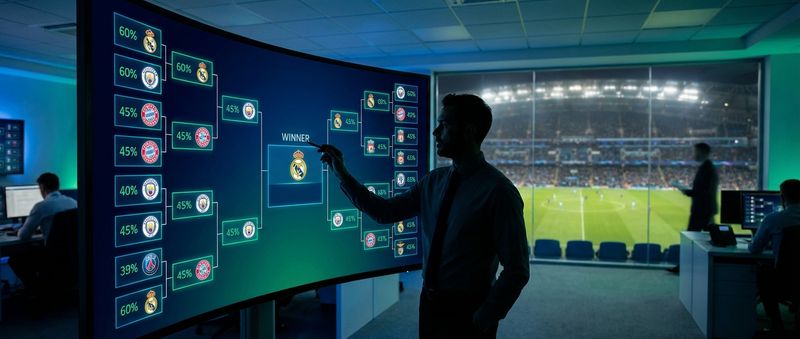
As the UEFA Champions League knockout stage gets underway, analytical tools are once again under the spotlight. This year, a supercomputer’s prediction for the tournament winner has ignited discussion among fans, pundits, and analysts eager to see if data-driven forecasts can outpace football’s unpredictability.
According to Sports Illustrated, the supercomputer—leveraging advanced algorithms and vast troves of statistical data—has produced its latest forecast just as the Round of 16 commences. While the exact percentages and team rankings were not disclosed in the original report, such models typically incorporate a mix of recent team form, player fitness, historical performance, and matchup dynamics to simulate thousands of possible outcomes.
- Supercomputers aggregate data from domestic leagues, past Champions League campaigns, and real-time injury news to adjust probabilities for each club.
- Factors like home/away leg order, squad depth, and even weather conditions play roles in these detailed simulations.
- Predictive models are updated continuously as each knockout round unfolds, reflecting fresh results and changing odds.
The use of supercomputers in sports prediction is no longer novel. Over the past several seasons, such forecasts have grown in popularity, often providing a new analytical lens for fans and media alike. While some supporters embrace the objectivity and depth of these predictions, others argue that football’s magic lies in its unpredictability—a quality no algorithm can fully capture.
Historically, supercomputer predictions have produced mixed results. In some years, the model’s favorite has gone on to lift the trophy, while in others, dark horses or underdogs have defied the odds. This variance underscores the delicate balance between statistical likelihood and the human drama that defines the Champions League.
With the knockout phase now underway, attention will turn to whether the supercomputer’s chosen favorite can withstand the pressure of Europe’s most prestigious club competition. The coming weeks will offer fresh data for fans to debate the accuracy and value of predictive analytics in football.