Tampa Bay Rowdies' 50-year legacy still shapes local soccer identity
The Tampa Bay Rowdies built their identity on a 2-0 Soccer Bowl win over the Portland Timbers in 1975, then kept their place in the sport by surviving league changes, shifting eras and a far more crowded Tampa Bay market. Half a century later, those roots still show up in the club’s look, its anniversary merch and the way supporters treat the Rowdies as Tampa Bay’s original pro team.
From NASL pioneers to Tampa Bay’s first pro franchise
The original Rowdies were founded in 1975 as a North American Soccer League expansion franchise by George Strawbridge, and the club’s own history places that team at the center of professional soccer’s early growth on Florida’s Gulf Coast. Tampa Stadium was home for ten seasons, and the Rowdies used that stage to become one of the first major soccer brands in the region.
The on-field resume gave the club instant credibility. Tampa Bay won its only Soccer Bowl championship in its inaugural season, beating Portland 2-0, then returned to the finals in 1978 and 1979 before falling short. That stretch matters because it gave the Rowdies something rare in American soccer: a legacy built on achievement, not just longevity.
The club’s early profile was also shaped by recognizable international talent. Rodney Marsh of England, Steve Wegerle of South Africa and goalkeeper Glan Letheren gave the original team a cosmopolitan edge that helped it stand out in a still-developing American soccer market. Those names remain part of the Rowdies’ identity because they connect the club to a time when the sport in Tampa Bay was still being introduced, not inherited.

Why the brand still lands with supporters
The Rowdies’ value in 2026 is tied to more than nostalgia. In a league and a sports market where clubs often have to manufacture tradition quickly, Tampa Bay already has a story that reaches back to the NASL and the first professional sports franchise in the area. That claim gives the club a place in local sports history that newer teams cannot easily replicate.
The Tampa Bay Soccer Hall of Fame has continued to treat that lineage as central to the region’s soccer narrative, describing a story that has grown over decades with the Rowdies at its core. That matters because club identity in modern U.S. soccer is built not only through wins and standings, but through memory, continuity and the symbols fans carry from one generation to the next.
The Rowdies have stayed relevant because they can point to that continuity without pretending the game has stood still. The club’s transition across eras, from the NASL to the present USL Championship environment, shows how a team can preserve its roots while adapting to the demands of modern competition, sponsorship and supporter culture. In Tampa Bay, that combination has helped the Rowdies remain more than a team on a schedule.
How history became a live marketing asset
The club did not leave its legacy in a scrapbook. On June 19, 2024, the Rowdies published a reflection on the founding of the club 50 years earlier, signaling that the anniversary story would be part of the team’s public identity well before the next season began. On Jan. 30, 2025, the club announced it would celebrate its 50th anniversary during the 2025 season, turning memory into a season-long platform.
That anniversary campaign moved quickly from messaging to design. The Rowdies unveiled a 50th anniversary logo in January 2025, then debuted anniversary kits on March 6, 2025. Those are not small branding touches in soccer; kits, crests and anniversary marks are part of how clubs sell identity to supporters who want more than a result sheet.
The effort also reached matchday presentation. In August 2025, the club unveiled “The Classic Kit” for Original Era Night against Phoenix Rising FC at Al Lang Stadium. That pairing of opponent, venue and throwback design did exactly what a legacy club wants its history to do: create a reason for fans to show up, buy in and wear the story on their chest.
What the Rowdies mean inside the USL Championship
The Rowdies’ place in the USL Championship is stronger because their story predates the league itself. When the United Soccer League announced on Oct. 25, 2016, that Tampa Bay would join for the 2017 season, it described the Rowdies as the first professional sports franchise in the Tampa Bay area. That framing elevated the move beyond a simple league transaction and tied the club’s present to its civic role in the market.
That matters in USL because competition for attention is intense. Tampa Bay now sits inside a crowded sports ecosystem, but the Rowdies still possess something many clubs spend years trying to build: a recognizable visual identity, a historic name and a supporter base that can connect a current roster to the region’s first wave of pro sports memory. In practical terms, that gives the club an edge in branding, merchandise and matchday atmosphere.
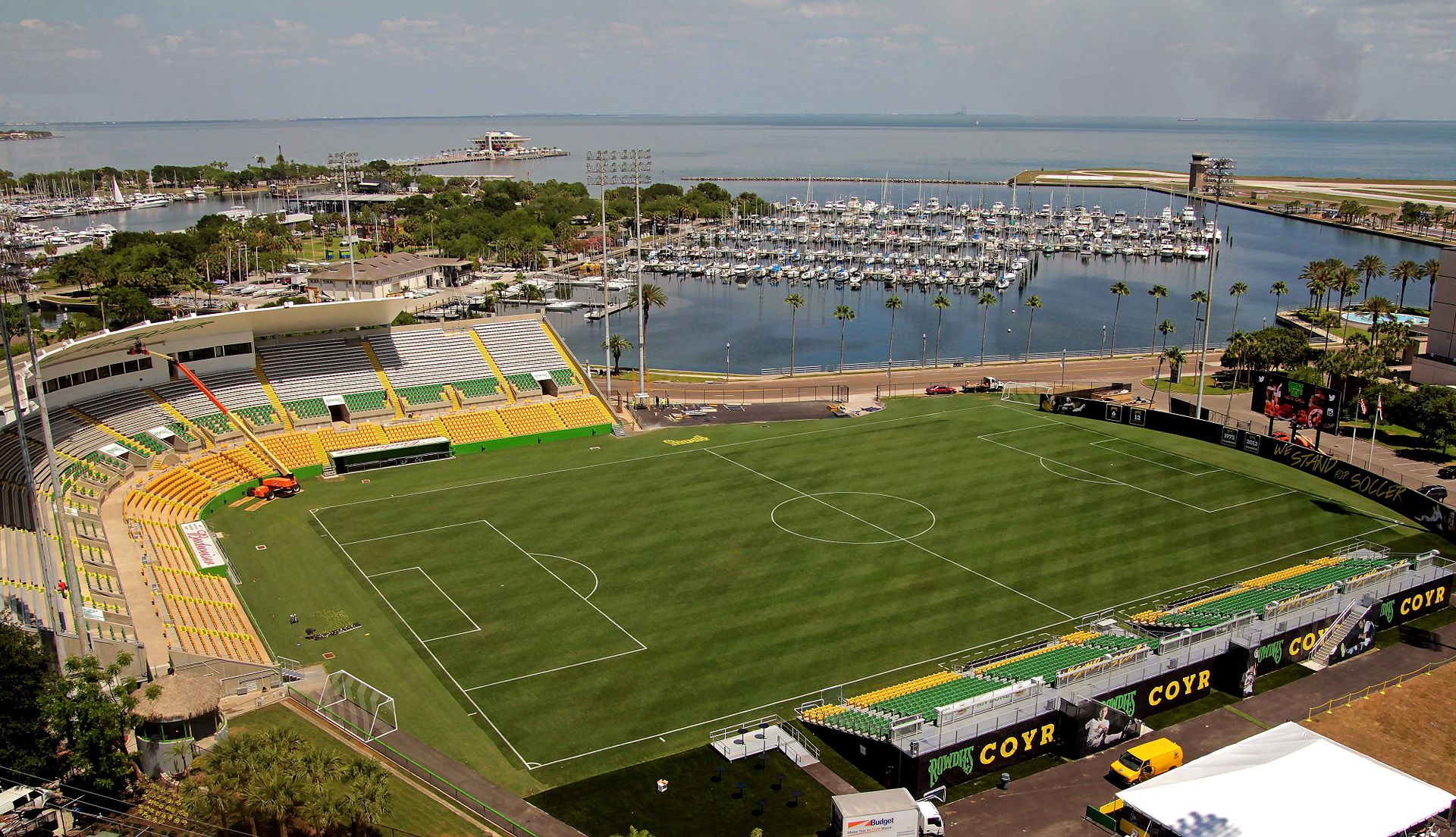
It also gives the Rowdies a deeper narrative when seasons get uneven. Clubs with a strong legacy can absorb difficult stretches because their relevance is not built only on the last 90 minutes. The Rowdies’ history, from Tampa Stadium to Al Lang Stadium, keeps the club legible to supporters who value continuity, and that makes every anniversary initiative more than a marketing exercise.
Why the legacy still matters now
The enduring lesson of the Rowdies is that heritage only works when it stays active. The club’s 1975 championship, the finals runs in 1978 and 1979, and the presence of players like Marsh, Wegerle and Letheren created a foundation that still carries value because the organization continues to use it in public ways. That is why the 50th anniversary campaign resonated: it translated old success into current identity.
In a modern soccer market that often chases the next new thing, the Rowdies offer something sturdier. They are Tampa Bay’s first pro sports landmark, a USL Championship club with a real historical anchor and a brand that still means something to the city around it. That combination keeps the Rowdies relevant, not as a relic of NASL memory, but as a living part of Tampa Bay soccer culture.