Tape Delay in Sports: The Enduring Impact of Sponsored Streams
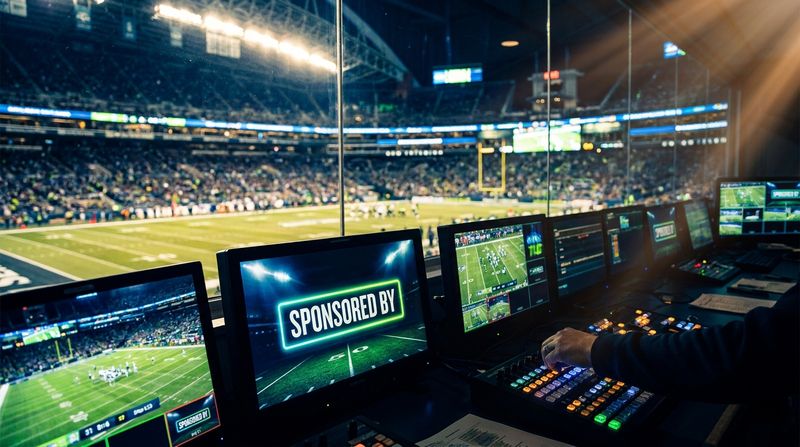
The use of tape delay in sports broadcasting continues to play a significant role in how fans consume live events, especially in the era of sponsored streaming. While live viewing is often preferred for its immediacy and excitement, tape-delayed broadcasts, such as those aired between 22:00 and 23:00 as noted by CBS Sports, serve a unique purpose in the media landscape.
Tape delay refers to the practice of recording a live event and broadcasting it at a later time. This broadcasting method is used for a variety of reasons, including accommodating programming schedules, maximizing viewership during peak hours, and ensuring compliance with sponsorship agreements. For example, sponsored streams of general sports videos often benefit from tape delay, allowing networks to package advertisements and content in a way that optimizes both viewer engagement and sponsor satisfaction.
- Tape-delayed sports broadcasts commonly air during late evening hours, such as the 22:00 to 23:00 slot, making them accessible to audiences who may have missed the original live event.
- Sponsored streams leverage delayed broadcasts to integrate branded content and advertisements, creating enhanced revenue opportunities for both networks and sponsors.
- Fans who watch on a tape delay can enjoy curated highlights, expert analysis, and condensed game coverage, often tailored for a more engaging viewing experience.
While the majority of marquee sporting events are now broadcast live, the tape delay model persists, particularly for less high-profile competitions or international events occurring outside of prime viewing hours. This approach ensures that fans still have access to comprehensive coverage, even if they cannot tune in live. Additionally, tape-delayed broadcasts can protect sensitive content and allow networks to edit for family-friendly viewing, which is especially important for sponsored streams targeting diverse audiences.
Despite the rising popularity of live streaming, the enduring presence of tape delay underscores the adaptability of sports media. Networks like CBS Sports continue to utilize this format, balancing live and delayed coverage to cater to varying viewer preferences and maximize sponsorship potential. As the media landscape evolves, tape-delayed and sponsored streams remain essential tools for delivering sports content to a broad audience, ensuring that no fan is left behind—regardless of when they choose to watch.
Sources
- [1]CBS Sports